Avian Giants of the Outback: Exploring the Biology and Behavior of the Australian Bustard
Introduction to the Australian Bustard As a veterinarian and avian enthusiast, encountering unique wildlife is always a remarkable experience. Among the most majestic ground-dwelling birds in the Southern Hemisphere is the Australian Bustard (Ardeotis australis). Inhabiting the expansive grasslands, open woodlands, and agricultural regions of northern Australia and southern New Guinea, this magnificent species captures […]
Introduction to the Australian Bustard
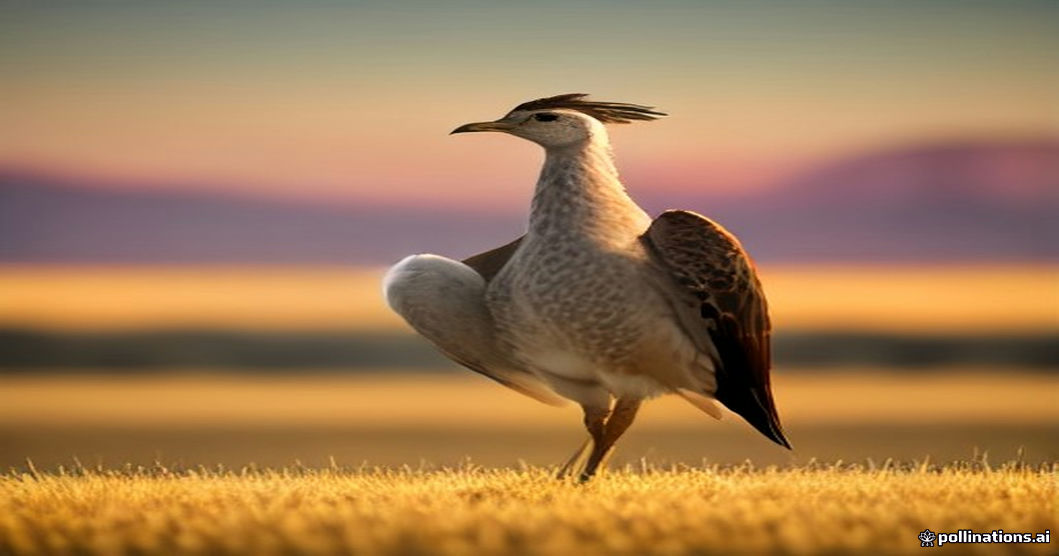
As a veterinarian and avian enthusiast, encountering unique wildlife is always a remarkable experience. Among the most majestic ground-dwelling birds in the Southern Hemisphere is the Australian Bustard (Ardeotis australis). Inhabiting the expansive grasslands, open woodlands, and agricultural regions of northern Australia and southern New Guinea, this magnificent species captures the essence of the wild Outback.
Physical Characteristics and Nomadic Lifestyle
Standing impressively at about one meter tall with a wingspan roughly twice that length, the Australian Bustard is a true avian giant. Despite its immense size, it is remarkably well-adapted to its environment. These birds lead a highly nomadic lifestyle, constantly traversing vast distances across open plains in search of abundant food sources and favorable weather conditions.
Dietary Habits and Nutritional Ecology
From a nutritional standpoint, the Australian Bustard is an opportunistic omnivore with a diverse palate. Its natural diet primarily consists of plant fruits and seeds, but it readily supplements this with protein-rich invertebrates such as crickets and grasshoppers. Furthermore, these capable foragers will consume small mammals, birds, and reptiles, showcasing their adaptability and crucial role in local ecosystem regulation.
Conservation Status and Human Impact
Historically, these striking bustards were widespread across Australia’s open plains. However, modern agricultural development and habitat alteration have led to a significant decline in their populations within farmed regions. Protecting remaining native habitats is essential for ensuring the long-term survival of this nomadic species.
Fascinating Courtship Behavior
Beyond their impressive stature, Australian Bustards are renowned for their spectacular courtship rituals. During the breeding season, the male performs a mesmerizing display: he puffs up his body feathers, droops his wings, and produces a deep, resonant booming sound designed to attract potential mates and establish dominance.
Written by Mohammed Murtaja
Editor-in-Chief & Executive Publisher of ZooPulse. Senior investigative journalist directing evidence-based research, veterinary science verification, and editorial governance.
Related Stories
 Uncategorized
Paws in Paradise: Traveling with Pets to Capri’s Magical Blue Grotto
When we think of the sun-drenched cliffs and azure waters of Capri, Italy, iconic landmarks like the breathtaking Blue Grotto immediately come to mind. As pet care experts and dedicated veterinarians, we often get asked if destinations like this can be enjoyed safely alongside our four-legged companions. Traveling with pets requires careful planning, but exploring […]
 Uncategorized
Gentle Giants of the Southern Seas: The Fascinating World of Southern Right Whales
Introduction to the Majestic Southern Right Whale Weighing an astonishing up to 60 tons, Southern Right Whales are truly magnificent creatures of the deep. Despite their immense size, these gentle giants are surprisingly curious and known for their peaceful demeanor in their natural oceanic habitat. Curious Encounters and Unique Identifiers It is not uncommon for […]
 Uncategorized
Decoding Your Pet’s Coat: Color Variations and What They Mean for Health
The Marvel of Mammalian Coats As veterinarians and passionate animal advocates, we often marvel at the incredible diversity found in the animal kingdom. Depending on the environment, its fur can range from a reddish-brown to a golden hue, or even a greyish shade. This remarkable adaptability is not just a treat for the eyes; it […]