Avian Jewel of South America: The Golden-Breasted Toucanet
Introduction to the Saffron Beauty The Golden-breasted Toucanet, scientifically known as Pteroglossus bailloni and often referred to as the Saffron Toucanet, is one of the most vibrant and captivating avian species native to South America. Found primarily in the dense tropical rainforests of southeastern Brazil, eastern Paraguay, and Argentina’s Misiones Province, this stunning bird is […]
Introduction to the Saffron Beauty
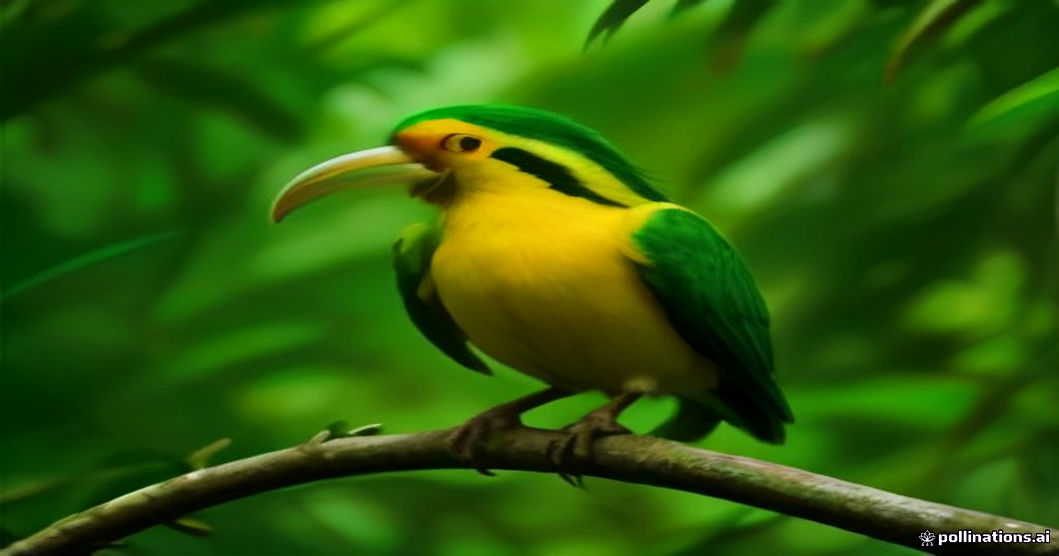
The Golden-breasted Toucanet, scientifically known as Pteroglossus bailloni and often referred to as the Saffron Toucanet, is one of the most vibrant and captivating avian species native to South America. Found primarily in the dense tropical rainforests of southeastern Brazil, eastern Paraguay, and Argentina’s Misiones Province, this stunning bird is a true testament to the rich biodiversity of the region.
Physical Characteristics and Unique Anatomy
As a notable member of the toucan family, this species measures an impressive 35 to 40 centimeters in length and boasts a remarkable wingspan of around 130 centimeters, despite weighing a delicate 150 to 170 grams. Their most striking feature is the brilliant saffron-yellow plumage that brilliantly covers the majority of their body, beautifully contrasted by brownish wings and a predominantly yellow, curved beak that is characteristic of their genus.
Dietary Habits and Ecological Significance
Primarily frugivorous by nature, golden-breasted toucanets rely heavily on a diet of fresh fruits, though they are also known to opportunistically raid the nests of smaller birds for protein and nutrients. Beyond their dazzling appearance, these birds play a critical ecological role as seed dispersers. By consuming various forest fruits and excreting the seeds across wide territories, they actively contribute to the continuous health and natural regeneration of their rainforest habitats.
Written by Mohammed Murtaja
Editor-in-Chief & Executive Publisher of ZooPulse. Senior investigative journalist directing evidence-based research, veterinary science verification, and editorial governance.
Related Stories
 Uncategorized
Exploring the Rock of Cashel: A Veterinary and Pet-Friendly Journey Through Ireland’s Ancient History
When travelers think of Ireland’s most iconic historical landmarks, the majestic Rock of Cashel—also famously known as St. Patrick’s Rock, situated in the heart of Cashel, Ireland—immediately comes to mind. Rising high above the Tipperary plains, this medieval architectural wonder offers breathtaking views and a deep dive into ecclesiastical history. But for animal lovers and […]
 Uncategorized
Mastering the Art of Canine Cleanliness: Insights from a Professional Grooming Lesson
As a veterinarian and pet care advocate, I always emphasize that grooming is much more than just keeping our furry companions looking their best—it is an essential pillar of their overall health and well-being. Recently, I attended an intensive hands-on washing and bathing lesson led by master groomers, and the experience reinforced just how nuanced […]
 Uncategorized
The Majestic Zebrasoma Desjardinii: Nature’s Reef Caretaker
Introduction to the Zebrasoma Desjardinii The Zebrasoma desjardinii, commonly known as the Red Sea Sailfin Tang, is one of the most stunning and beneficial additions to a marine saltwater aquarium. As a prominent member of the surgeonfish family, this magnificent creature combines striking aesthetics with a hardworking attitude towards tank maintenance. Natural Habitat and Algae […]