Deep-Sea Marvel: Unveiling the Bioluminescent Secrets of the Planctoteuthis Squid
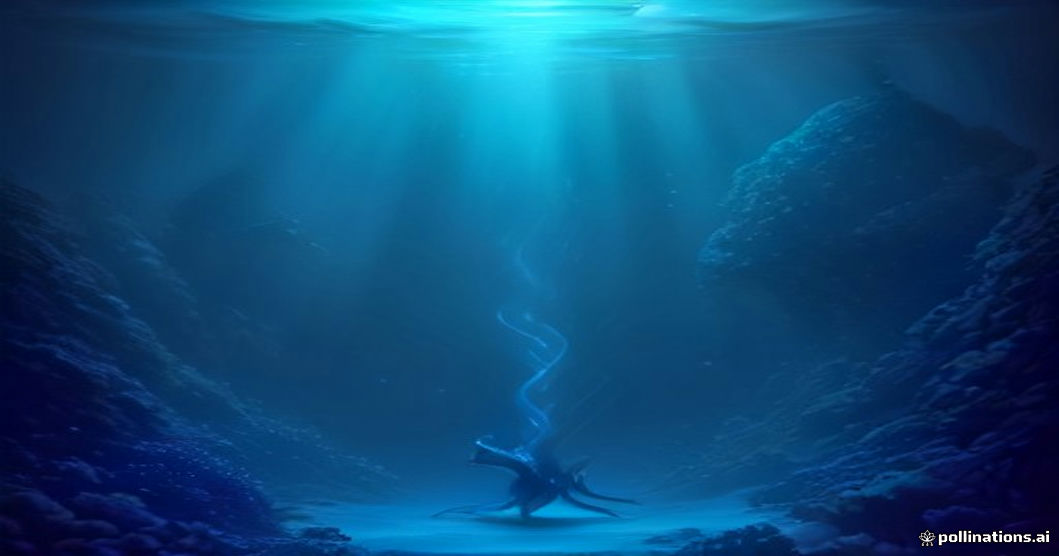
A Remarkable Deep-Sea Encounter In the relentless pursuit of marine biodiversity and ocean exploration, scientists from the Schmidt Ocean Institute recently captured breathtaking footage of a rare Planctoteuthis squid utilizing a remotely operated vehicle (ROV). This extraordinary cephalopod immediately captivated researchers and marine biology enthusiasts alike with its distinctive anatomical features, showcasing the endless wonders […]
A Remarkable Deep-Sea Encounter
In the relentless pursuit of marine biodiversity and ocean exploration, scientists from the Schmidt Ocean Institute recently captured breathtaking footage of a rare Planctoteuthis squid utilizing a remotely operated vehicle (ROV). This extraordinary cephalopod immediately captivated researchers and marine biology enthusiasts alike with its distinctive anatomical features, showcasing the endless wonders hidden within the ocean’s twilight and midnight zones.
Anatomy and the Wonder of Iridophores
Unlike many of its deep-dwelling relatives, the Planctoteuthis squid is characterized by remarkably short tentacles paired with a uniquely elongated, shimmering tail. The true marvel of this creature lies in its skin, which is densely populated with specialized cells known as iridophores. These light-sensitive and reflective cells allow the squid to put on a dazzling light display as it glides effortlessly through the water column, refracting varying wavelengths of light into a spectrum of sparkling colors.
Decoding Deep-Sea Communication and Survival
The discovery sparks exciting biological questions regarding the precise evolutionary purpose of these dazzling displays in the pitch-black depths of the ocean. Marine biologists theorize that these shimmering patterns may serve multiple critical functions for survival, including intraspecies communication, sophisticated defense mechanisms to confuse predators, or active luring strategies to attract unsuspecting prey in an environment where resources are scarce. As ocean exploration continues to advance, each discovery of species like the Planctoteuthis reminds us of the complex adaptations thriving in Earth’s most extreme aquatic habitats.
Written by Mohammed Murtaja
Editor-in-Chief & Executive Publisher of ZooPulse. Senior investigative journalist directing evidence-based research, veterinary science verification, and editorial governance.
Related Stories
 Nature
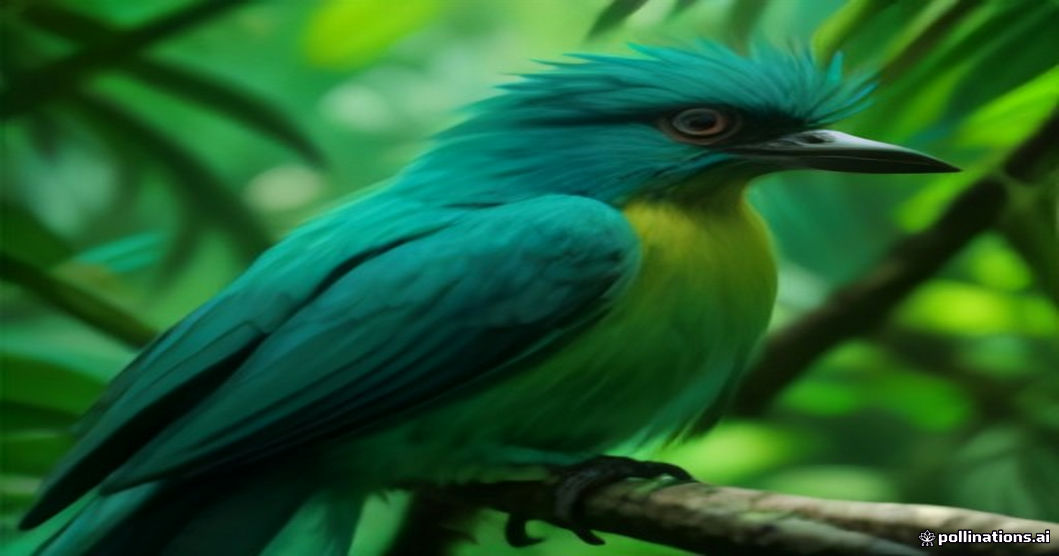
Unlocking the Secrets of the Motmot: Nature’s Avian Percussionists
Introduction to the Fascinating Motmot In the vibrant, lush rainforests of Central and South America, a truly remarkable avian spectacle takes place daily. While birds are universally celebrated for their melodious songs and complex vocalizations, some species push the boundaries of communication in astonishing ways. Enter the motmot, a brilliantly colored bird known not just […]
 Nature
Marvels of the Night: The Extraordinary Standard-Winged Nightjar
Introduction to an Avian Wonder When studying the incredible diversity of nocturnal birds, one might assume there is little left to surprise a seasoned veterinarian or ornithologist. Yet, nature continually reveals breathtaking adaptations. Among these is the Standard-winged Nightjar, scientifically known as Macrodipteryx vexillarius, a species that redefines avian ornamentation during its remarkable breeding season. […]
 Nature
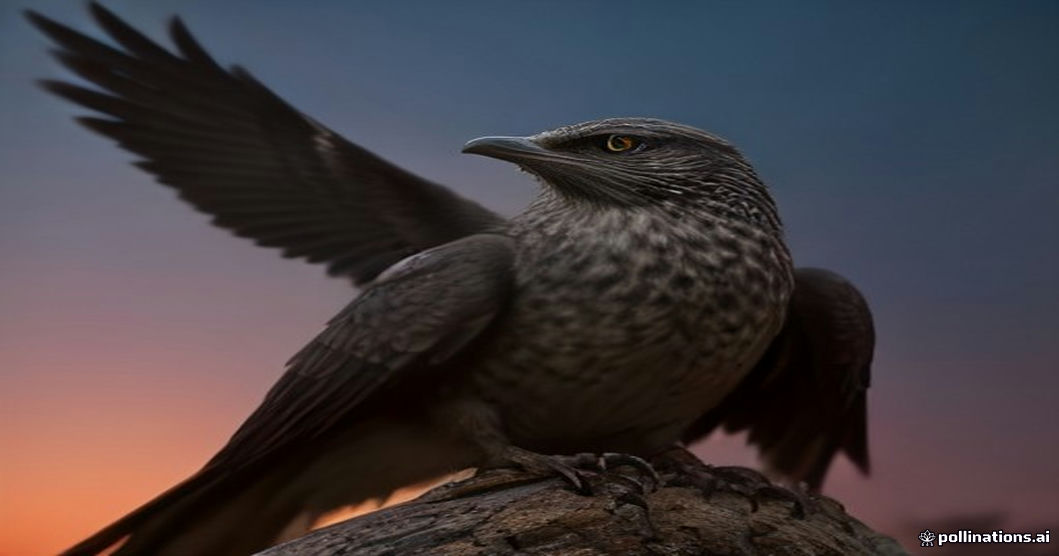
Unveiling the Mysteries of the Standard-winged Nightjar: Nature’s Master of Nocturnal Display
Introduction to the Nightjar Family In the quiet realm of the nocturnal world, few avian species capture the imagination quite like the nightjar. Known for their cryptic plumage and elusive lifestyles, these fascinating birds are marvels of evolutionary adaptation. Among them, the Standard-winged Nightjar (Macrodipteryx longipennis) stands out as a true spectacle of nature, renowned […]