Don’t Disturb the Barn Owls! A Veterinary Guide to Protecting These Silent Guardians
As veterinary professionals and passionate advocates for animal welfare, we often find ourselves championing the care of domestic pets. However, the scope of animal health extends far beyond our household companions into the vital realm of wildlife conservation. One species that profoundly impacts our local ecosystems—and deserves our utmost respect and protection—is the magnificent barn […]
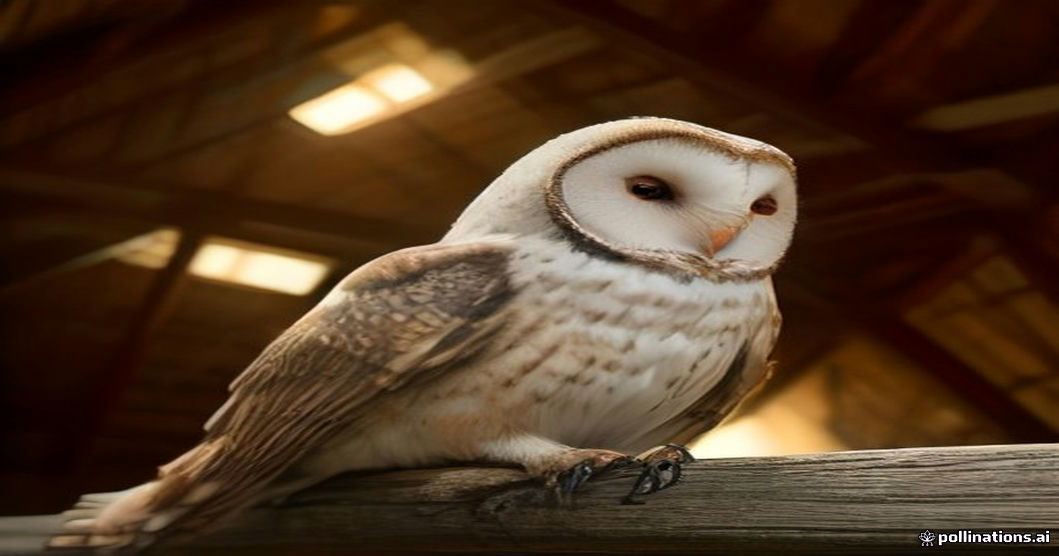
As veterinary professionals and passionate advocates for animal welfare, we often find ourselves championing the care of domestic pets. However, the scope of animal health extends far beyond our household companions into the vital realm of wildlife conservation. One species that profoundly impacts our local ecosystems—and deserves our utmost respect and protection—is the magnificent barn owl (Tyto alba).
The Silent Hunters of the Night
Barn owls are often referred to as the ghost birds of the farmland, recognized by their distinct heart-shaped faces, pale plumage, and haunting, rasping calls. Beyond their ethereal beauty, these nocturnal raptors are nature’s most efficient rodent control specialists. A single family of barn owls can consume thousands of rodents annually, making them invaluable allies for farmers and property owners alike. Maintaining their well-being is a crucial component of a balanced, healthy rural ecosystem.
Why Disturbance Can Be Deadly
During the breeding and nesting season, barn owls are exceptionally vulnerable to human interference. Disturbing a nesting site—whether by loud noises, approaching too closely, or tampering with nest boxes—can lead to catastrophic consequences. Stressed parent owls may temporarily or permanently abandon their eggs or vulnerable chicks, leaving them exposed to predators, starvation, and harsh weather conditions. As animal care experts, we emphasize that observation should always be respectful and distant.
How You Can Protect Local Barn Owls
If you are fortunate enough to have barn owls residing on or near your property, there are several best practices you can follow to ensure their safety:
• Keep Your Distance: Never attempt to handle, feed, or get close to nesting barn owls.
• Use Rodenticides with Extreme Caution: Secondary poisoning from toxic rodent baits is one of the leading causes of death for owls and other raptors. Opt for non-toxic pest management strategies.
• Install Safe Nesting Boxes: If you want to help, consult local wildlife conservation groups to install elevated, secure nest boxes away from high-traffic human areas.
By respecting their space, we allow these incredible birds to thrive, protecting both biodiversity and our agricultural landscapes. Let’s keep our distance and let the barn owls do what they do best!
Written by Mohammed Murtaja
Editor-in-Chief & Executive Publisher of ZooPulse. Senior investigative journalist directing evidence-based research, veterinary science verification, and editorial governance.
Related Stories
 Wildlife
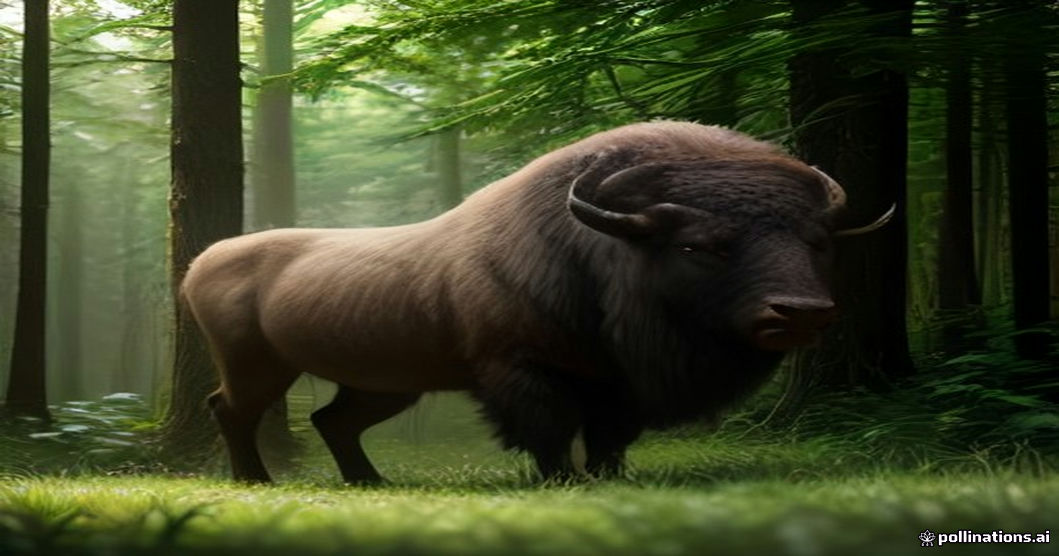
Unveiling the Gentle Giant: The Fascinating World of the European Bison
Meet Europe’s Largest Land Mammal When we think of majestic wildlife, exotic creatures from distant continents often come to mind. However, wandering the dense forests and open grasslands of Europe is a truly magnificent animal that many people overlook: the European bison, also known as the wisent. As a veterinarian and animal care expert, I […]
 Wildlife
 Resilience in Antarctica: Surviving the Ice
The Untamed Beauty of the Frozen Continent Antarctica is often perceived as a desolate wasteland, yet this remarkable place is striking in its beauty. Towering blue glaciers, endless expanses of pristine snow, and dramatic mountain peaks create a breathtaking landscape that captures the imagination of travelers and scientists alike. But beneath this icy exterior lies […]
 Wildlife
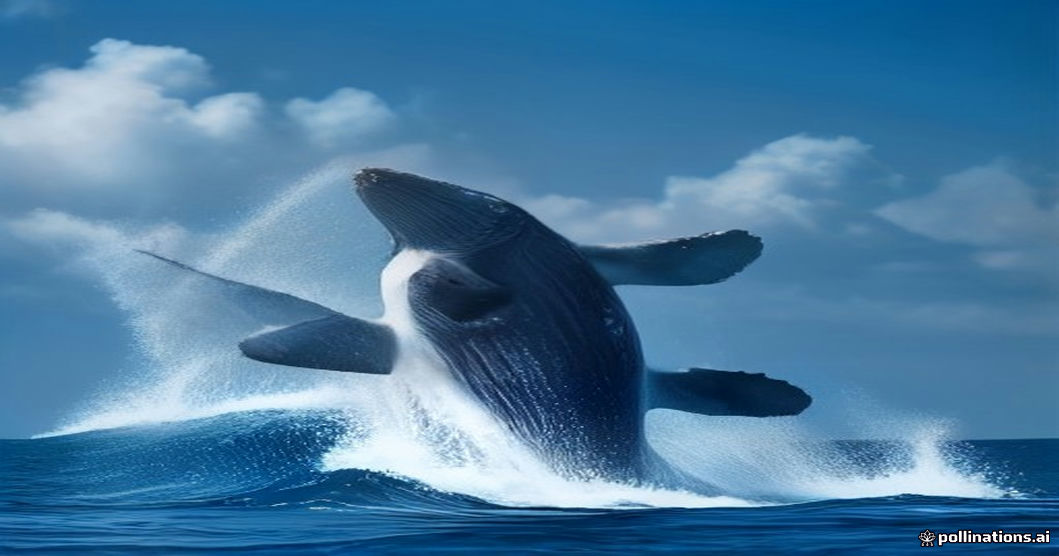
A Close Encounter with a Gentle Giant: Surviving a Humpback Whale Breach
A Shocking Moment Off the Coast of Chile Imagine swimming in the open ocean and suddenly finding yourself inside the massive mouth of a humpback whale. For 24-year-old Adrian Simancas, this unbelievable scenario became a terrifying reality off the coast of Chile. While enjoying a day in the water, Adrian experienced a dramatic encounter that […]