Encountering the Magnificent and Misunderstood Young Cassowary
Introduction to the World’s Most Dangerous Bird The cassowary (Casuarius casuarius) may look striking and unique, but beneath its prehistoric appearance lies a creature that demands our utmost respect. As a professional veterinarian and wildlife expert, I always remind animal enthusiasts that while these flightless inhabitants of the tropical forests of New Guinea and northeastern […]
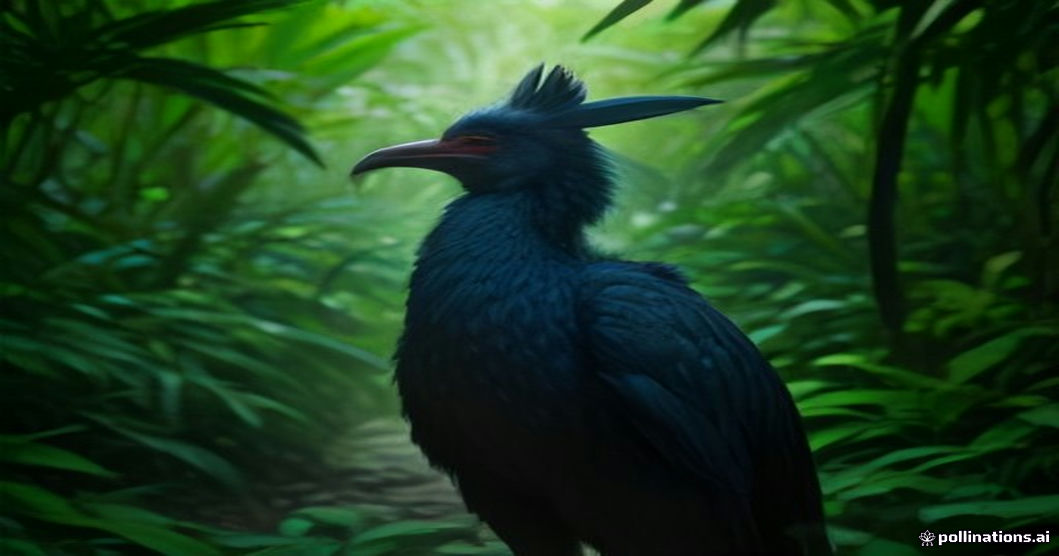
Introduction to the World’s Most Dangerous Bird
The cassowary (Casuarius casuarius) may look striking and unique, but beneath its prehistoric appearance lies a creature that demands our utmost respect. As a professional veterinarian and wildlife expert, I always remind animal enthusiasts that while these flightless inhabitants of the tropical forests of New Guinea and northeastern Australia are fascinating, they are far from harmless.
Understanding Cassowary Behavior and Anatomy
If a cassowary senses a threat, or simply encounters a human on what it perceives as its turf, it can react defensively. Their main biological weapons are their enormous, muscular legs equipped with powerful, long claws capable of delivering lethal strikes. Furthermore, cassowaries can reach astounding speeds of up to 50 km/h through dense brush, meaning humans cannot hope to outrun them. In their natural ecosystem, mature cassowaries have virtually no natural predators aside from humans.
Diet and Ecological Role
Interestingly, despite their fearsome reputation, these magnificent ratites are primarily frugivores and omnivores. Their natural diet consists of fallen tropical fruits, mushrooms, snails, insects, frogs, snakes, and other small animals. By dispersing seeds across the rainforest floor, they play a crucial ecological role in maintaining the health of their native tropical habitats.
Conclusion: Respecting Wildlife Boundaries
While a surprise meeting with a curious young cassowary—perhaps even strolling along a coastal beach—can be an unforgettable experience, it always pays to keep a safe and respectful distance. Their legendary status as the Guinness Book of World Records holder for the most dangerous bird on Earth (awarded in 2004) is a reminder that wild animals should always be observed with caution and admiration.
Written by Mohammed Murtaja
Editor-in-Chief & Executive Publisher of ZooPulse. Senior investigative journalist directing evidence-based research, veterinary science verification, and editorial governance.
Related Stories
 Uncategorized
Exploring Berezovskoye Gorge: A Pet Owner’s Guide to Wilderness Adventure in Russia
Introduction to Berezovskoye Gorge Nestled in the breathtaking landscapes of Russia, Berezovskoye Gorge offers an awe-inspiring escape for outdoor enthusiasts and their four-legged companions. Known for its dramatic cliffs, lush greenery, and winding rivers, this natural wonder is a paradise for adventurous dogs and active pet owners looking to explore off the beaten path. Preparing […]
 Uncategorized
Exploring the Austrian Alps with Your Dog: A Veterinary Guide to Alpine Adventures
Discovering the Majesty of the Alps with Your Pet Deep within the Austrian Alps, the Krimml Waterfalls roar with an ancient power, offering some of the most breathtaking scenery in Europe. For pet parents, traveling through these majestic landscapes with a canine companion is a dream come true. However, exploring high-altitude terrain requires careful planning […]
 Uncategorized
Veterinary Insights from the Tuscan Hills: Canine Care and Wellness in Rural Italy
Nestled in the heart of Italy, Tuscany is globally renowned for its rolling vineyards, historic architecture, and idyllic countryside. However, for pet owners and local veterinarians, the Tuscan landscape also presents unique environmental and health considerations for our canine companions. From managing seasonal parasites to navigating outdoor adventures in the Mediterranean climate, understanding local pet […]