Exploring Coastal Wonders with Pets: A Veterinary Guide to Marine Excursions and Italy’s Blue Grotto
The Allure of Coastal Exploration with Pets The Blue Grotto (Grotta Azzurra) on the island of Capri, Italy, is famed for its mystical, electric-blue illumination caused by sunlight passing through an underwater cavity. As modern pet owners increasingly include their four-legged companions on international travels and scenic excursions, coastal wonders like Capri attract globetrotting pet […]
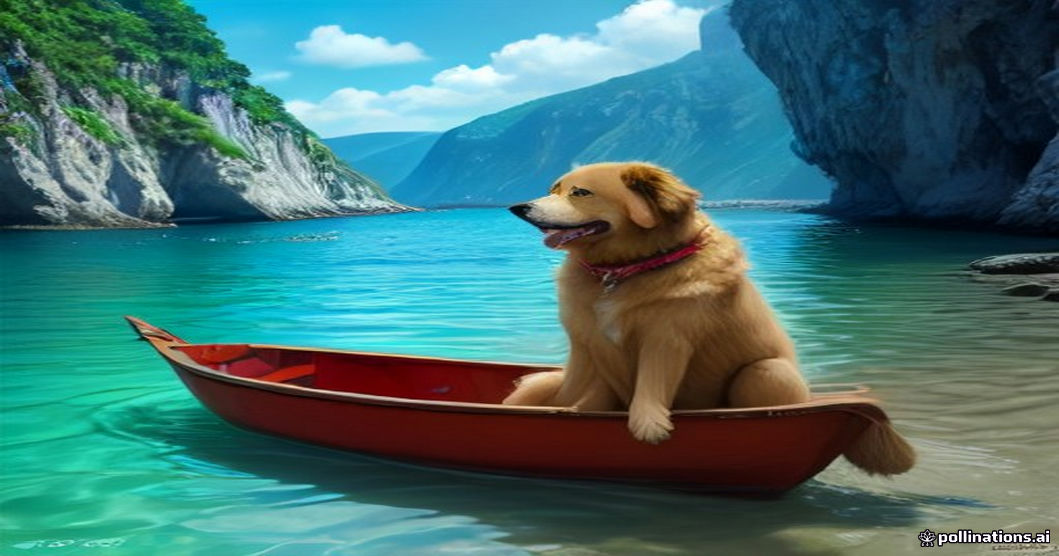
The Allure of Coastal Exploration with Pets
The Blue Grotto (Grotta Azzurra) on the island of Capri, Italy, is famed for its mystical, electric-blue illumination caused by sunlight passing through an underwater cavity. As modern pet owners increasingly include their four-legged companions on international travels and scenic excursions, coastal wonders like Capri attract globetrotting pet parents. However, taking pets on marine adventures requires careful veterinary consideration to ensure that an awe-inspiring experience does not compromise animal welfare.
Understanding Canine Motion Sickness on the Water
Navigating the Mediterranean waters to reach natural sea caves involves rowboats and small watercraft. Just like humans, dogs are prone to motion sickness caused by sensory conflict between the inner ear’s vestibular apparatus and visual inputs. Symptoms of seasickness in dogs include excessive drooling, lethargy, persistent yawning, vomiting, and acute restlessness. Before boarding any vessel, consult your veterinarian regarding prescription antiemetics, such as maropitant citrate, which can prevent nausea without sedating your pet.
Acoustic Sensitivity and Claustrophobia in Sea Caves
The interior of a sea cave presents a foreign sensory landscape. The Blue Grotto requires visitors to lie flat in small wooden dinghies to squeeze beneath a low rock arch, leading into a dark, echoing limestone chamber. Canines possess vastly superior auditory ranges compared to humans; the booming echo of lapping waves, shouting skippers, and reverberating boat engines inside confined stone spaces can trigger intense fear, panic, or fight-or-flight reactions. For dogs with noise aversion or generalized anxiety, it is medically advisable to leave them with a trusted boarding service or pet sitter while you explore narrow marine caverns.
Hydrodynamics and Essential Flotation Gear
Even strong-swimming breeds, such as Newfoundlands or Labrador Retrievers, are vulnerable to turbulent ocean currents, hidden undertows, and steep rocky shorelines. If your pet accompanies you on a coastal boat tour along Capri’s dramatic cliffs, equipping them with a well-fitted canine personal flotation device (PFD) is non-negotiable. Choose a life jacket featuring a sturdy rescue handle, reflective trim, and full-body buoyancy support that keeps the animal’s head reliably above the waterline in the event of an accidental plunge.
Guarding Against Salt Toxicity and Sunstroke
Mediterranean maritime environments present two silent hazards: intense solar exposure and hypertonic saltwater ingestion. Marine mist and seawater ingestion can quickly lead to salt toxicosis in dogs, resulting in dehydration, cellular damage, ataxia, and gastrointestinal distress. Always supply abundant fresh, cool water and keep sessions on open-deck boats brief to mitigate the threat of heatstroke. If your pet displays heavy panting, bright red gums, or unsteadiness, seek immediate shade, cool their paws, and contact local veterinary emergency services.
Written by Mohammed Murtaja
Editor-in-Chief & Executive Publisher of ZooPulse. Senior investigative journalist directing evidence-based research, veterinary science verification, and editorial governance.
Related Stories
 Europe
Paws in the Eternal City: A Pet Owner’s Guide to Historic Rome
Exploring the Ancient Streets with Your Companion Rome is a city where history breathes through every cobblestone, offering a unique backdrop for pet owners and their four-legged friends. While navigating the ancient ruins of the Colosseum or the bustling plazas of the historic center, keeping your pet’s health and comfort at the forefront is essential […]
 Europe
Paws Under the Cliffs: A Vet’s Guide to Exploring Setenil de las Bodegas with Your Dog
Tucked within the rugged gorges of Andalusia, Setenil de las Bodegas stands out as one of Spain’s most visually breathtaking pueblos blancos (white towns). Unlike settlements built on fortified hilltops, Setenil evolved directly into the cliffs carved by the Trejo River, with whitewashed homes and sunlit cafes tucked beneath massive, overhanging basalt and limestone boulders. […]