Exploring the Subterranean Wonders of Waitomo Caves: A Guide for Animal Lovers
Introduction to Waitomo Caves Nestled in the lush green hills of the King Country in New Zealand’s North Island, the Waitomo Caves system is a world-renowned natural wonder. Famous for its mesmerizing bioluminescent glowworms, this subterranean labyrinth attracts millions of tourists from around the globe. But beyond the human fascination with these twinkling caverns lies […]
Introduction to Waitomo Caves
Nestled in the lush green hills of the King Country in New Zealand’s North Island, the Waitomo Caves system is a world-renowned natural wonder. Famous for its mesmerizing bioluminescent glowworms, this subterranean labyrinth attracts millions of tourists from around the globe. But beyond the human fascination with these twinkling caverns lies a unique ecosystem that intertwines with local wildlife and pet travel considerations.
The Unique Ecosystem and Local Wildlife
The damp, dark limestone chambers of Waitomo are home to more than just the famous Arachnocampa luminosa (glowworms). The surrounding native bushland and subterranean rivers support various endemic species, including native birds, insects, and aquatic life. As veterinarians and animal health advocates, we appreciate how delicate these underground microclimates are, reminding us of the importance of preserving natural habitats for all creatures, great and small.
Traveling with Pets in New Zealand
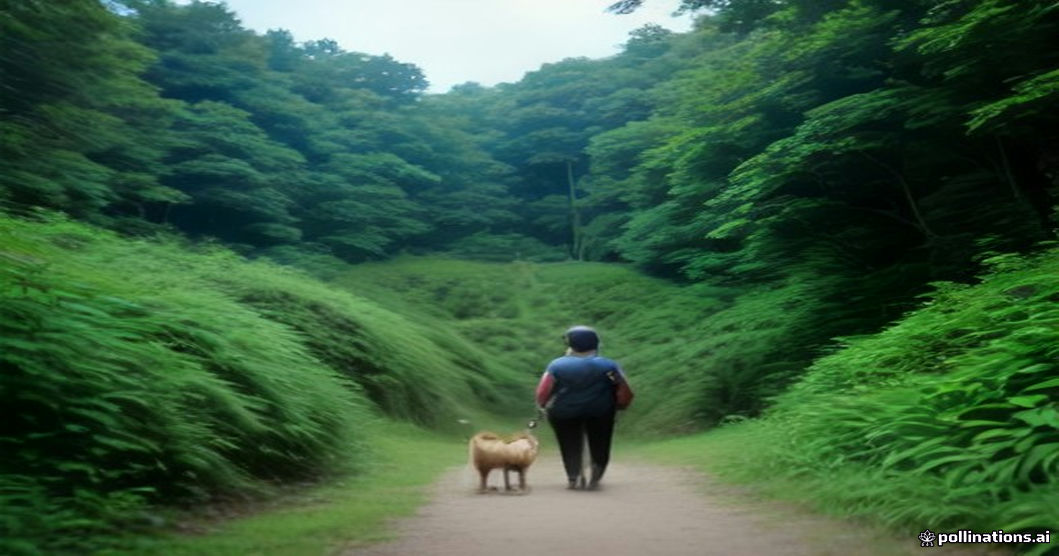
While exploring the magical Waitomo Caves is a must-do for visitors, it is essential to note that domestic pets are not permitted inside the caves to protect the sensitive underground ecosystem and local wildlife. However, New Zealand is generally an exceptionally pet-friendly country with numerous scenic walking tracks nearby where leashed dogs can enjoy the fresh air and stunning rural landscapes alongside their human companions.
Preparing Your Pet for Adventure Travel
If you are planning an extended trip to New Zealand with your furry family members, proper preparation is key. Ensure your pet is up to date on all vaccinations, parasite preventatives, and microchipping requirements. Always research local council regulations regarding dog access in conservation areas, and carry plenty of fresh water and a pet-safe first aid kit to ensure your animal companion stays healthy and safe throughout your journey.
Written by Mohammed Murtaja
Editor-in-Chief & Executive Publisher of ZooPulse. Senior investigative journalist directing evidence-based research, veterinary science verification, and editorial governance.
Related Stories
 Animal News
Surviving the Extremes: The Unique Pet Health Challenges of Namibia’s Harsh Landscapes
Introduction to Namibia’s Extreme Environment Namibia’s natural environment is considered one of the most photogenic and harsh in the world, and its main feature is the combination of ancient deserts, boundless savannas, and the foggy Atlantic coast. While this breathtaking topography attracts travelers from across the globe, it presents a uniquely challenging habitat for animals, […]
 Animal News
Haute Paw-tute: Navigating Pet Fashion Shows Safely and Healthily
The Rise of Canine and Feline Runways Pet fashion has evolved from simple winter sweaters to elaborate, haute couture runway events. While seeing a pug in a tuxedo or a Persian cat in a silk gown is undeniably delightful, as veterinarians and animal behaviorists, we must look beyond the aesthetics and prioritize the health, safety, […]
 Animal News
Paws in Paradise: Navigating Pet Health and Wellness in Tahiti
Tahiti undoubtedly possesses its own unique atmosphere—a mesmerizing blend of warm tropical breezes, lush emerald peaks, and the soothing rhythm of the Pacific Ocean. For pet owners fortunate enough to call this island paradise home, or those considering traveling with their animal companions, this distinct environment offers both wonderful lifestyle benefits and specific veterinary health […]