King of the Canopy: The Apex Predator and Incredible Strength of the African Crowned Eagle
Introduction to the African Crowned Eagle The Crowned Eagle (Stephanoaetus coronatus) stands as one of the most magnificent and formidable birds of prey inhabiting the tropical regions of Africa south of the Sahara. As the sole surviving member of its genus, this majestic raptor represents a unique lineage of evolutionary prowess. Its historical counterpart, the […]
Introduction to the African Crowned Eagle
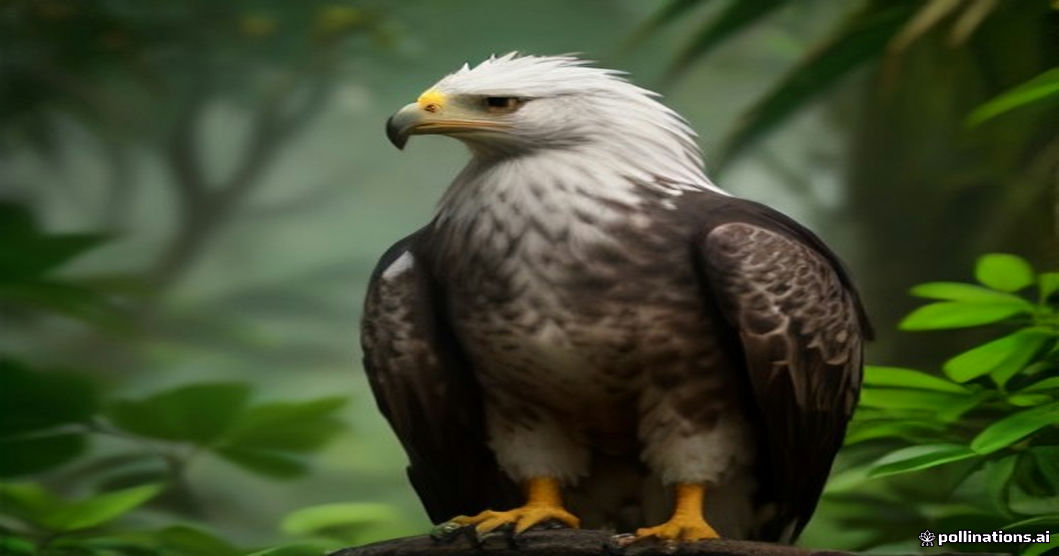
The Crowned Eagle (Stephanoaetus coronatus) stands as one of the most magnificent and formidable birds of prey inhabiting the tropical regions of Africa south of the Sahara. As the sole surviving member of its genus, this majestic raptor represents a unique lineage of evolutionary prowess. Its historical counterpart, the Malagasy crowned eagle, sadly vanished following human settlement on Madagascar, leaving the African crowned eagle as the undisputed king of its specialized ecological niche.
Distinctive Physical Characteristics and Flight Dynamics
Recognizing an adult crowned eagle in the wild is remarkably straightforward, even from a considerable distance. The species is easily identified by its prominent, often-raised crest and imposing size. Physically adapted for dense forest maneuvering, the crowned eagle features broad, rounded wings paired with an unusually long tail. This specific morphological combination grants the bird exceptional agility and speed, making it the only eagle known to actively and habitually hunt arboreal primates.
Unmatched Strength and Predatory Capabilities
As a veterinary and animal health professional, the physiological adaptations of this raptor are truly astounding. Beyond its striking appearance, the crowned eagle possesses legendary physical strength. Scientific records have documented these powerful birds capturing and carrying prey weighing an astonishing 70% of their own body weight. Such remarkable lifting capacity and grip strength underscore their status as true apex predators of the African canopy, demanding our utmost respect and continued conservation efforts.
Written by Mohammed Murtaja
Editor-in-Chief & Executive Publisher of ZooPulse. Senior investigative journalist directing evidence-based research, veterinary science verification, and editorial governance.
Related Stories
 Uncategorized
Mastering the Art of Canine Cleanliness: Insights from a Professional Grooming Lesson
As a veterinarian and pet care advocate, I always emphasize that grooming is much more than just keeping our furry companions looking their best—it is an essential pillar of their overall health and well-being. Recently, I attended an intensive hands-on washing and bathing lesson led by master groomers, and the experience reinforced just how nuanced […]
 Uncategorized
The Majestic Zebrasoma Desjardinii: Nature’s Reef Caretaker
Introduction to the Zebrasoma Desjardinii The Zebrasoma desjardinii, commonly known as the Red Sea Sailfin Tang, is one of the most stunning and beneficial additions to a marine saltwater aquarium. As a prominent member of the surgeonfish family, this magnificent creature combines striking aesthetics with a hardworking attitude towards tank maintenance. Natural Habitat and Algae […]
 Uncategorized
Exploring Loch Achtriochtan: A Veterinary Perspective on Hiking Safely with Your Dog in Glencoe
Nestled in the breathtaking heart of Scotland’s dramatic Glencoe valley, the picturesque mountain lake of Loch Achtriochtan is a renowned haven for landscape photographers and outdoor enthusiasts alike. Surrounded by majestic, rugged peaks and tranquil waters, it offers an idyllic escape into nature. However, for pet parents and animal health enthusiasts, exploring this stunning Highland […]