Marvels of the Marine World: The Incredible Tridacna Gigas
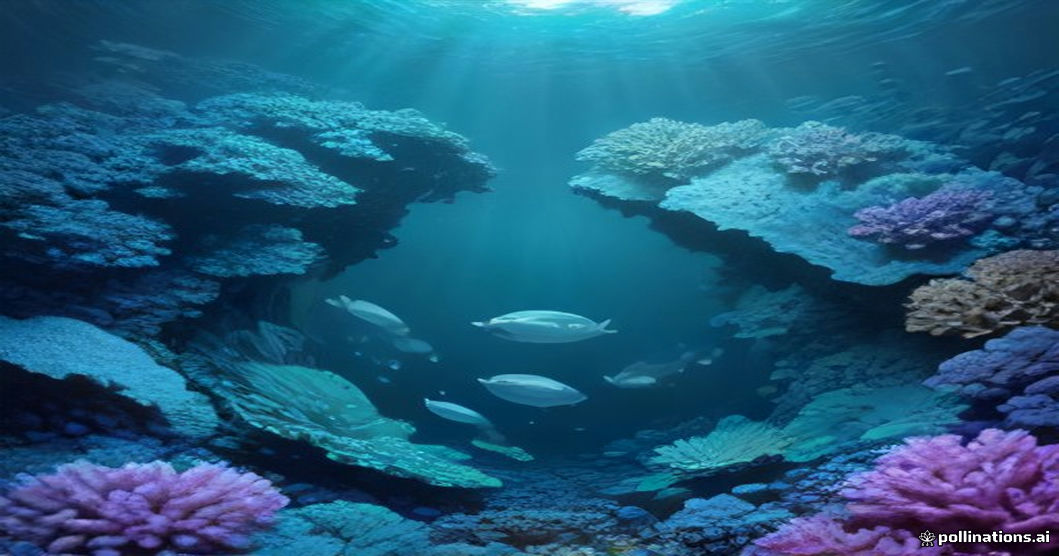
Introduction to the Ocean’s Gentle Giant Deep within the warm, crystal-clear waters of the Pacific and Indian Ocean coral reefs lies one of the most magnificent creatures on Earth: the Giant Clam, scientifically known as Tridacna gigas. As a marine veterinarian and pet care expert, I am always fascinated by how these colossal mollusks contribute […]
Introduction to the Ocean’s Gentle Giant
Deep within the warm, crystal-clear waters of the Pacific and Indian Ocean coral reefs lies one of the most magnificent creatures on Earth: the Giant Clam, scientifically known as Tridacna gigas. As a marine veterinarian and pet care expert, I am always fascinated by how these colossal mollusks contribute to the delicate balance of aquatic ecosystems.
Staggering Size and Longevity
The Tridacna gigas is truly a record-breaker in the animal kingdom. This massive mollusk can grow up to an astounding 1.2 meters in length and tip the scales at over 200 kilograms. Coupled with a remarkable lifespan that can easily exceed 100 years, these gentle giants are living testaments to the resilience and grandeur of marine life.
Diet and Ecological Role
Far from being passive statues on the reef, giant clams are active participants in maintaining ocean health. They act as natural filtration systems, drawing in seawater to consume microorganisms and algae. Furthermore, they maintain a symbiotic relationship with zooxanthellae—single-celled algae living within their tissues—which provide them with nutrients through photosynthesis in exchange for a safe home.
Treasure of the Sea: Pearls
Beyond their ecological importance, giant clams are famous for their ability to produce impressive pearls. Unlike oysters, the pearls formed by giant clams lack the nacreous luster of traditional pearls, but their sheer size is breathtaking. A prime example is the legendary ‘Lao Tzu Pearl’, which weighs an incredible 6.4 kilograms!
Written by Mohammed Murtaja
Editor-in-Chief & Executive Publisher of ZooPulse. Senior investigative journalist directing evidence-based research, veterinary science verification, and editorial governance.
Related Stories
 Uncategorized
Cooking Outdoors: Vet-Approved Beef Stuffed with Vegetables for Dogs
Bringing the Grill Outdoors for Your Canine Companion As the weather warms up, backyard barbecues become a staple of family life. Naturally, our canine companions want to join in on the culinary fun. Instead of feeding them processed hot dogs or heavily seasoned burgers—which can lead to severe digestive upset or even pancreatitis—why not elevate […]
 Uncategorized
The Extraordinary African Hawk Moth: Darwin’s Farcical Prediction Realized
Introduction to the African Hawk Moth The African Hawk Moth (Xanthopan morgani) is a truly fascinating nocturnal insect belonging to the Sphingidae family. Renowned across the natural world for possessing the longest proboscis of any moth species—stretching an astonishing 22.5 cm in length—this remarkable creature is a marvel of evolutionary adaptation and specialized survival. Charles […]
 Uncategorized
Mastering the Art of Canine Cleanliness: Insights from a Professional Grooming Lesson
As a veterinarian and pet care advocate, I always emphasize that grooming is much more than just keeping our furry companions looking their best—it is an essential pillar of their overall health and well-being. Recently, I attended an intensive hands-on washing and bathing lesson led by master groomers, and the experience reinforced just how nuanced […]