Parrotfish: The Friendly Guardians of Our Coral Reefs
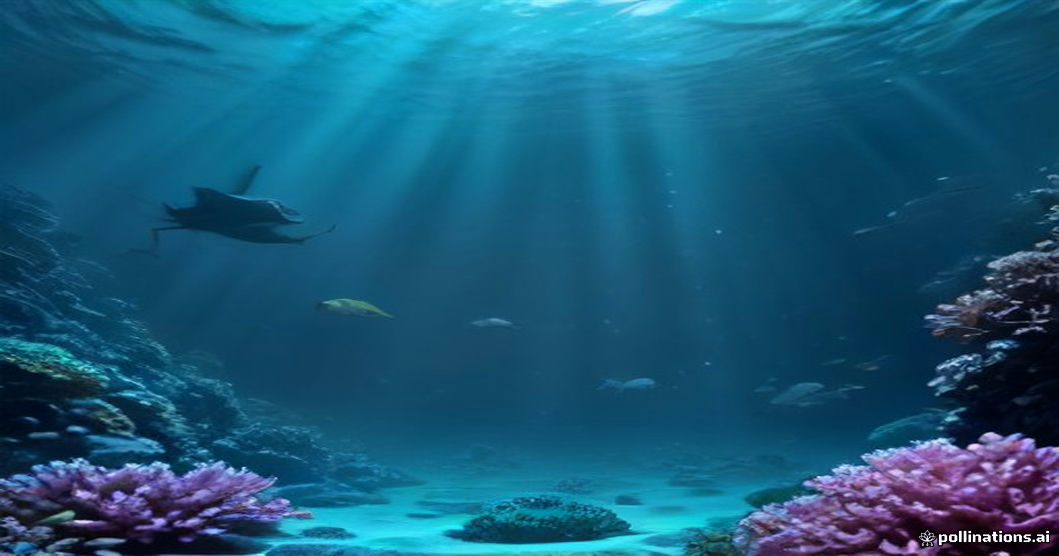
Introduction to the Vibrant Parrotfish Parrotfish, belonging to the family Scaridae, are among the most charismatic and colorful inhabitants of the marine world. Easily recognized by their vibrant hues and unique anatomical features, these gentle swimmers are a true delight for snorkelers, divers, and underwater photographers alike. Found gracefully gliding through shallow tropical waters, they […]
Introduction to the Vibrant Parrotfish
Parrotfish, belonging to the family Scaridae, are among the most charismatic and colorful inhabitants of the marine world. Easily recognized by their vibrant hues and unique anatomical features, these gentle swimmers are a true delight for snorkelers, divers, and underwater photographers alike. Found gracefully gliding through shallow tropical waters, they embody the serene beauty of our planet’s coral ecosystems.
Unique Anatomy and Feeding Habits
One of the most fascinating aspects of the parrotfish is its specialized anatomy. Their common name stems from their distinctive, beak-like mouth, which consists of fused teeth designed to scrape algae and polyps directly from hard coral structures. Once ingested, a secondary set of pharyngeal teeth located in their throat grinds the coral and food down. This remarkable feeding mechanism not only nourishes the fish but also plays a crucial role in producing the fine white sand found on tropical beaches!
Global Habitats and Distribution
Parrotfish are widely distributed across the globe, inhabiting the warm, shallow waters of the Pacific, Indian, and Atlantic Oceans. They can also be frequently spotted thriving in the rich marine environments of the Mediterranean, Caribbean, and Red Seas. As quintessential reef dwellers, they prefer areas with abundant coral growth where they can forage and find shelter among the nooks and crevices of the reef.
Can They Be Kept as Pets?
While their friendly demeanor and striking appearance might tempt aquarists to bring them home, parrotfish are strictly unsuited for domestic aquariums. Their specialized feeding habits—requiring a constant supply of live coral and complex reef ecosystems—mean they cannot survive or thrive in a standard home tank. Instead, the best way to enjoy these peaceful creatures is by observing them respectfully in their natural ocean habitats.
Written by Mohammed Murtaja
Editor-in-Chief & Executive Publisher of ZooPulse. Senior investigative journalist directing evidence-based research, veterinary science verification, and editorial governance.
Related Stories
 Uncategorized
Exploring Dantewada: A Magical Pet-Friendly Paradise in Thailand
Discovering the Enchantment of Dantewada Tucked away in the heart of Thailand lies Dantewada, a truly magical destination that feels straight out of a storybook. Famous for its breathtaking turquoise ponds, lush tropical greenery, and enchanting fairytale atmosphere, this location captivates every traveler who visits. But beyond its aesthetic appeal, it serves as a wonderful […]
 Uncategorized
Exploring Yerköprü Waterfall: A Nature Lover’s Guide for Traveling with Pets in Türkiye
Nestled in the heart of Türkiye, Yerköprü Waterfall is a breathtaking natural wonder that captivates travelers with its cascading turquoise waters, lush greenery, and serene atmosphere. For pet owners and outdoor enthusiasts, visiting such a majestic destination with a canine companion can be an unforgettable adventure, provided you prioritize your animal’s health and safety. Preparing […]
 Uncategorized
Avian Elegance of the North: The Fascinating Bohemian Waxwing
Introduction to the Bohemian Waxwing As a veterinarian and avian enthusiast, I am always captivated by the remarkable adaptations of northern wildlife. The Bohemian Waxwing, scientifically known as Bombycilla garrulus, is a true masterpiece of the boreal forests of the Northern Hemisphere. Inhabiting sparse coniferous and mixed forests, overgrown mountainous regions, and clearings, this striking […]