Sea Anemones: The Ocean’s Masters of Disguise and Invertebrate Survival
Introduction to the Fascinating Sea Anemone As animal health and marine biology experts, we often look to the ocean’s most unique creatures to understand the incredible adaptations of nature. Among the most remarkable is the sea anemone. Despite their plant-like appearance, these creatures are actually predatory marine animals related to corals and jellyfish. Without a […]

Introduction to the Fascinating Sea Anemone
As animal health and marine biology experts, we often look to the ocean’s most unique creatures to understand the incredible adaptations of nature. Among the most remarkable is the sea anemone. Despite their plant-like appearance, these creatures are actually predatory marine animals related to corals and jellyfish. Without a shell or hard outer shelter to protect them from the dangers of the deep, sea anemones have evolved extraordinary survival mechanisms.
The Secret Behind the Shape-Shifting Ability
How does a soft-bodied creature survive in the unpredictable and often hostile marine environment? The answer lies in their unique anatomy. Sea anemones lack bones, shells, and rigid structures. Instead, they utilize a hydrostatic skeleton—a fluid-filled cavity surrounded by muscles. By manipulating water pressure within this cavity, they can execute a dramatic transformation: retracting their delicate tentacles and oral disc to shrink their entire body into a smooth, compact ball.
Defense Mechanisms Against Predators and Harsh Tides
This rapid shape-shifting is more than just a neat trick; it is a vital survival strategy. When low tide exposes them to the air, or when a hungry predator approaches, shrinking into a ball protects their vulnerable parts from desiccation and physical harm. By minimizing their surface area, they retain moisture and shield their sensitive tissues from harsh environmental conditions.
Resilience and Recovery
Once the danger passes or the tide returns, the sea anemone relaxes its muscles, pumps water back into its hydrostatic skeleton, and gracefully expands its vibrant tentacles once again. This ability to bounce back quickly highlights the incredible resilience of these marine invertebrates. Understanding these natural defenses not only enriches our appreciation of marine life but also reminds us of the diverse ways animals adapt to thrive in their habitats.
Written by Mohammed Murtaja
Editor-in-Chief & Executive Publisher of ZooPulse. Senior investigative journalist directing evidence-based research, veterinary science verification, and editorial governance.
Related Stories
UncategorizedPaws in the Metropolis: Navigating Pet Care in Hong Kong
Introduction to Urban Pet Ownership in Hong Kong Hong Kong is a bustling, high-density metropolis known for its towering skyscrapers, vibrant street life, and fast-paced environment. Yet, amidst the urban concrete jungle, a thriving community of dedicated pet owners continues to grow. Caring for pets in such a compact city presents unique challenges and rewarding […]
UncategorizedThe Art of Motivating Your Pet: Understanding Curiosity, Cravings, and Nutritional Health
Every pet owner knows that magical moment: the instant rustle of a treat bag, the subtle clink of a kibble scoop, or the opening of a can, and suddenly your furry friend appears from thin air. As the saying goes, they ‘came out for something tasty!’ But behind those eager eyes and hopeful whimps lies […]
 Uncategorized
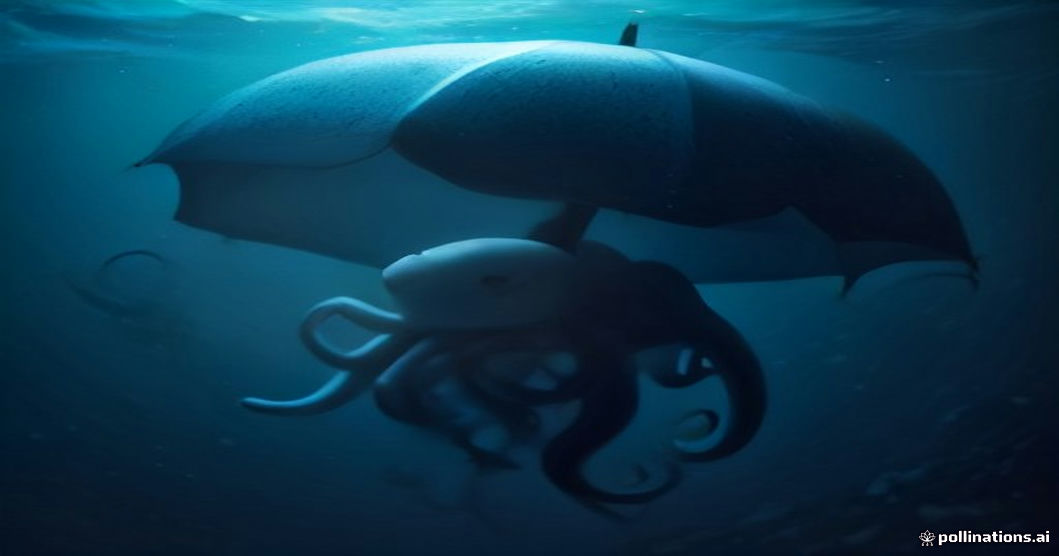
Unveiling the Mysteries of Inopinoteuthis magna: A Rare Deep-Sea Discovery
A Surprising Discovery in the Deep Ocean In the vast, uncharted realms of the deep sea, every new discovery reminds us of how little we truly know about marine biodiversity. Recently, scientists made an extraordinary find involving Inopinoteuthis magna, an exceptionally rare species of deep-sea octopus. What makes this discovery even more fascinating is how […]