The Caribbean Royal Crab: Nature’s Ultimate Reef Gardener
Meet the Giant of the Caribbean Seafloor In the vibrant and complex ecosystems of the Caribbean, a true marine giant reigns supreme. Maguimithrax spinosissimus, commonly known as the Caribbean Royal Crab, holds the title of the largest crab species in the region. Growing to impressive proportions and capable of weighing over 3 kilograms (nearly 7 […]
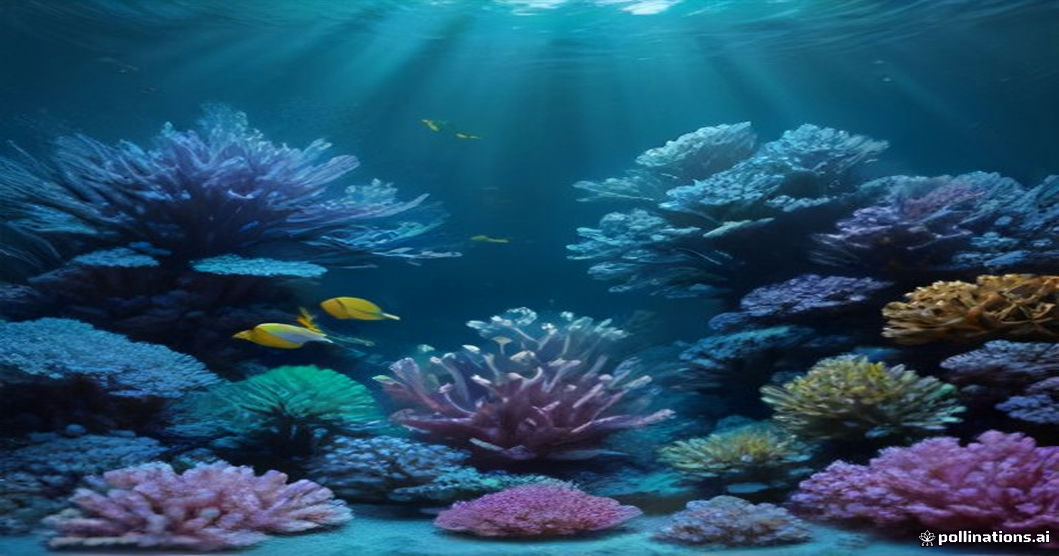
Meet the Giant of the Caribbean Seafloor
In the vibrant and complex ecosystems of the Caribbean, a true marine giant reigns supreme. Maguimithrax spinosissimus, commonly known as the Caribbean Royal Crab, holds the title of the largest crab species in the region. Growing to impressive proportions and capable of weighing over 3 kilograms (nearly 7 pounds), this remarkable crustacean is much more than just a heavyweight of the ocean floor—it is a vital guardian of marine biodiversity.
An Insatiable Appetite for Ecological Balance
What truly sets the Caribbean Royal Crab apart is its voracious and specialized appetite. Coral reefs around the world face a constant threat from encroaching macroalgae, which can suffocate corals and block essential sunlight. While many marine herbivores shy away from certain tough, chemically defended, or unpalatable algae species, the Caribbean Royal Crab thrives on them. It eagerly devours the overgrowth that other species typically avoid, making it a uniquely effective cleanup crew for troubled reefs.
Scientific Success and the Rise of ‘Live Gardeners’
The ecological impact of this crustacean has caught the attention of marine biologists and conservationists alike. Controlled scientific experiments have revealed staggering results: these industrious crabs are capable of reducing harmful reef algae by an astonishing 50 to 80 percent. Recognizing their profound ability to restore degraded habitats, aquaculture experts have begun farming the Caribbean Royal Crab specifically for release into the wild. Functioning essentially as biological “live gardeners,” these crabs are deployed to actively combat algal blooms and help maintain the delicate, life-sustaining balance of fragile coral reef ecosystems.
Written by Mohammed Murtaja
Editor-in-Chief & Executive Publisher of ZooPulse. Senior investigative journalist directing evidence-based research, veterinary science verification, and editorial governance.
Related Stories
 Uncategorized
Exploring Berezovskoye Gorge: A Pet Owner’s Guide to Wilderness Adventure in Russia
Introduction to Berezovskoye Gorge Nestled in the breathtaking landscapes of Russia, Berezovskoye Gorge offers an awe-inspiring escape for outdoor enthusiasts and their four-legged companions. Known for its dramatic cliffs, lush greenery, and winding rivers, this natural wonder is a paradise for adventurous dogs and active pet owners looking to explore off the beaten path. Preparing […]
 Uncategorized
Exploring the Austrian Alps with Your Dog: A Veterinary Guide to Alpine Adventures
Discovering the Majesty of the Alps with Your Pet Deep within the Austrian Alps, the Krimml Waterfalls roar with an ancient power, offering some of the most breathtaking scenery in Europe. For pet parents, traveling through these majestic landscapes with a canine companion is a dream come true. However, exploring high-altitude terrain requires careful planning […]
 Uncategorized
Veterinary Insights from the Tuscan Hills: Canine Care and Wellness in Rural Italy
Nestled in the heart of Italy, Tuscany is globally renowned for its rolling vineyards, historic architecture, and idyllic countryside. However, for pet owners and local veterinarians, the Tuscan landscape also presents unique environmental and health considerations for our canine companions. From managing seasonal parasites to navigating outdoor adventures in the Mediterranean climate, understanding local pet […]