The Deceptive Kiss: Understanding Territorial Aggression in Your Aquarium
Beyond the Surface: A Misunderstood Interaction In the world of ornamental fish, few behaviors are as frequently misinterpreted by hobbyists as the sight of two fish pressing their mouths together in a seemingly romantic gesture. Commonly observed in species like the Kissing Gourami (Helostoma temminckii) and various Cichlids, this behavior—often dubbed ‘kissing’—is far from an […]
Beyond the Surface: A Misunderstood Interaction
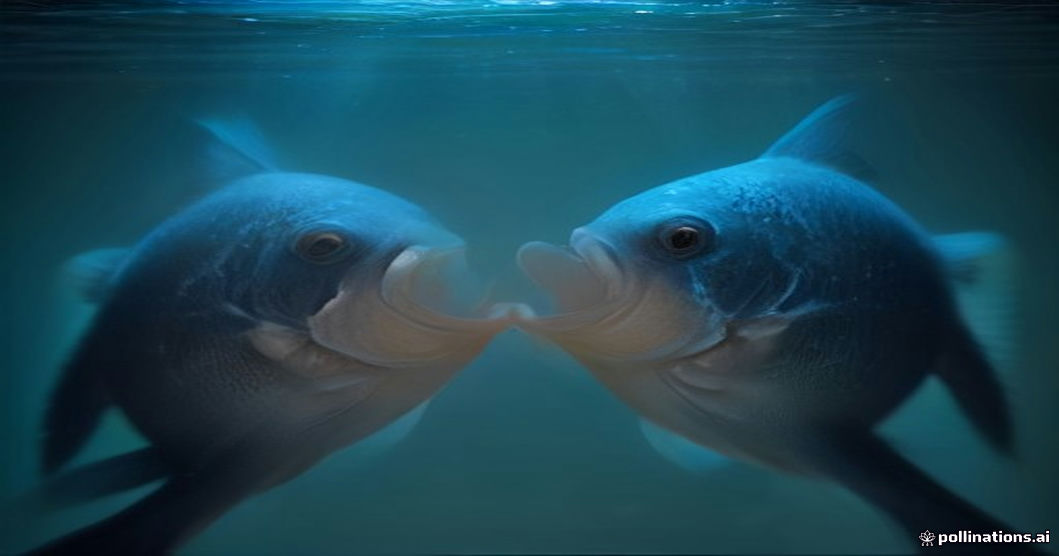
In the world of ornamental fish, few behaviors are as frequently misinterpreted by hobbyists as the sight of two fish pressing their mouths together in a seemingly romantic gesture. Commonly observed in species like the Kissing Gourami (Helostoma temminckii) and various Cichlids, this behavior—often dubbed ‘kissing’—is far from an act of affection. As a veterinarian specializing in aquatic health, it is crucial to recognize that these interactions are actually displays of dominance and physical strength.
The Mechanics of Jaw-Locking
When two fish lock jaws and push against one another, they are engaging in a highly ritualized form of combat. By locking mouths, these aquatic competitors can gauge the physical power, stamina, and resolve of their opponent without immediately resorting to more lethal forms of violence, such as body ramming or fin nipping. This ‘strength test’ allows the fish to establish a social hierarchy or defend a specific territory within the tank environment.
Territorial Disputes and Social Hierarchy
In a confined aquarium, space is the most valuable resource. Fish use these jaw-locking battles to settle disputes over breeding sites, feeding grounds, or prime hiding spots. While these battles rarely lead to immediate death, they are a significant source of chronic stress. If one fish is consistently outmatched, the repeated physical exertion and psychological pressure can suppress its immune system, making it more susceptible to opportunistic pathogens like Ich or fin rot.
Management for the Responsible Hobbyist
If you notice frequent ‘kissing’ in your aquarium, it is time to reassess your tank dynamics. Ensuring there are plenty of visual barriers, such as driftwood, rocks, and live plants, can help break lines of sight and reduce territorial friction. Monitoring these interactions is key to maintaining a healthy, harmonious aquatic ecosystem where your fish can thrive without the constant need for combat.
Written by Mohammed Murtaja
Editor-in-Chief & Executive Publisher of ZooPulse. Senior investigative journalist directing evidence-based research, veterinary science verification, and editorial governance.
Related Stories
 Uncategorized
The Healing Power of Nature: Why the Forest is the Ultimate Sanctuary for Your Dog
Reconnecting with Nature As pet care professionals and veterinarians, we often discuss the physical needs of our animals—diet, exercise, and routine check-ups. However, the mental and emotional well-being of our dogs is just as crucial. When you take your canine companion deep into the woods, you are offering them far more than just a walk; […]
 Uncategorized
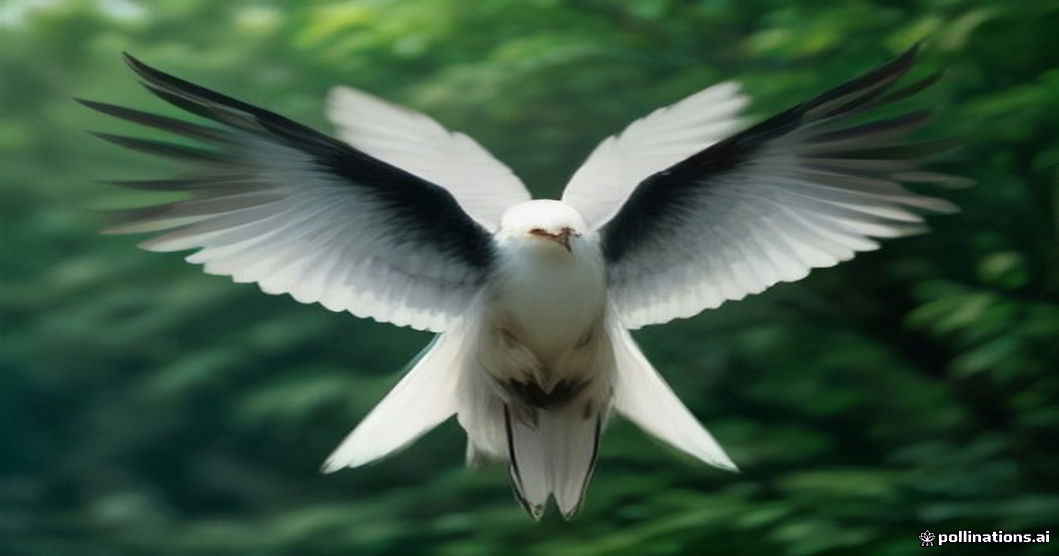
The Graceful Aerialist: An In-Depth Look at the Swallow-tailed Kite
Introduction to the Swallow-tailed Kite The Swallow-tailed Kite (Elanoides forficatus) stands as one of the most elegant and visually striking members of the Accipitridae family. Often described as the most beautiful bird of prey in the Americas, this raptor is easily distinguished by its long, pointed wings and an exceptionally deep forked tail—the deepest notch […]
 Uncategorized
Avian Architecture: Understanding the Remarkable Nesting Habits of Wild Birds
The Marvel of High-Altitude Nesting In the fascinating world of avian biology, nest-building is a masterpiece of instinct and engineering. Nests are typically located at the tops of tall trees, providing a strategic vantage point that keeps developing hatchlings safe from ground-dwelling predators. These elevated nurseries are carefully constructed to withstand harsh winds and variable […]