The Fascinating Emerald Long-tailed Lizard: Care and Natural History
Introduction to the Emerald Long-tailed Lizard The Emerald Long-tailed Lizard (Takydromus smaragdinus) is a stunning, small, and slender reptile native to the lush Ryukyu Islands of Japan. Renowned for their vibrant green coloration and remarkably elongated tails, these lizards have captured the hearts of reptile enthusiasts and herpetologists alike. As a professional veterinarian, I always […]
Introduction to the Emerald Long-tailed Lizard
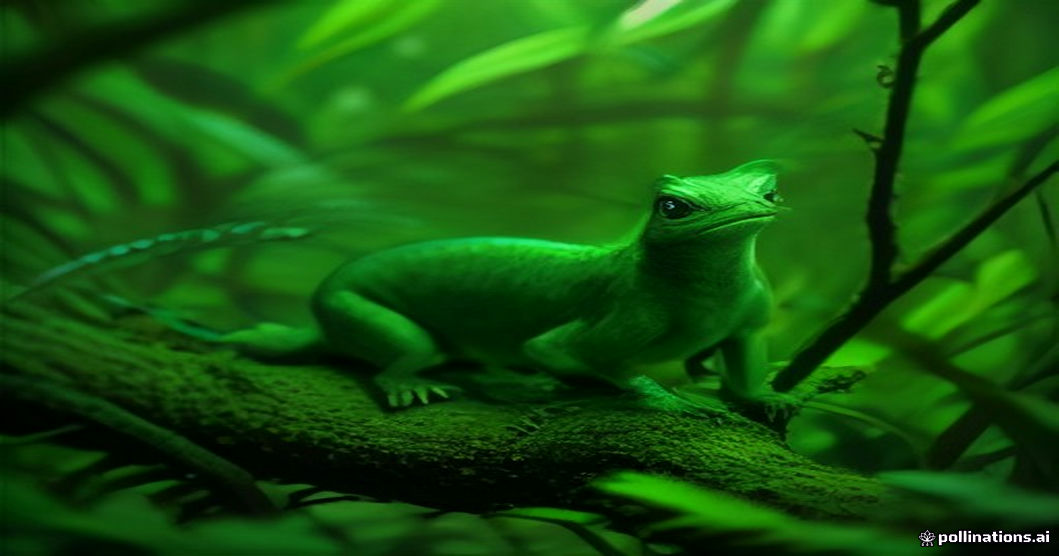
The Emerald Long-tailed Lizard (Takydromus smaragdinus) is a stunning, small, and slender reptile native to the lush Ryukyu Islands of Japan. Renowned for their vibrant green coloration and remarkably elongated tails, these lizards have captured the hearts of reptile enthusiasts and herpetologists alike. As a professional veterinarian, I always recommend understanding a species’ natural habitat to provide the best possible care in captivity.
Anatomy and the Amazing Tail
One of the most defining and fascinating features of this species is its extraordinary tail. Fun Fact: Their incredibly long tail can measure an astonishing two to five times the length of their entire body! In the wild, this whip-like appendage serves multiple purposes, including balance while navigating foliage and acting as a distraction mechanism against predators. Like many lizards, they can drop their tail if caught, though it regrows over time—albeit not quite as long or vibrant as the original.
Natural Habitat and Distribution
While the emerald species is specifically endemic to the Ryukyu archipelago, the broader genus of long-tailed lizards is remarkably widespread. Did You Know? Long-tailed lizards thrive across Asia, with populations established throughout the Far East, the majority of East and Southeast Asia, and stretching down into Indonesia.
In their native ecosystems, these reptiles primarily lead a terrestrial lifestyle, dwelling on the forest floor, though they are also surprisingly agile and act as excellent climbers when hunting or seeking refuge. Their preferred homes include moist, humid forests, grassy open meadows, and rocky terrains that offer plenty of crevices for hiding.
Husbandry and Pet Care Insights
For reptile keepers interested in providing a thriving captive environment, replicating their natural habitat is paramount. Because they originate from humid, tropical environments, maintaining proper ambient humidity and providing a rich bioactive setup with live plants is essential. A diet consisting of appropriately sized gut-loaded insects, dusted with essential calcium and vitamin supplements, will ensure your long-tailed lizard stays healthy and active.
Written by Mohammed Murtaja
Editor-in-Chief & Executive Publisher of ZooPulse. Senior investigative journalist directing evidence-based research, veterinary science verification, and editorial governance.
Related Stories
 Uncategorized
Exploring Berezovskoye Gorge: A Pet Owner’s Guide to Wilderness Adventure in Russia
Introduction to Berezovskoye Gorge Nestled in the breathtaking landscapes of Russia, Berezovskoye Gorge offers an awe-inspiring escape for outdoor enthusiasts and their four-legged companions. Known for its dramatic cliffs, lush greenery, and winding rivers, this natural wonder is a paradise for adventurous dogs and active pet owners looking to explore off the beaten path. Preparing […]
 Uncategorized
Exploring the Austrian Alps with Your Dog: A Veterinary Guide to Alpine Adventures
Discovering the Majesty of the Alps with Your Pet Deep within the Austrian Alps, the Krimml Waterfalls roar with an ancient power, offering some of the most breathtaking scenery in Europe. For pet parents, traveling through these majestic landscapes with a canine companion is a dream come true. However, exploring high-altitude terrain requires careful planning […]
 Uncategorized
Veterinary Insights from the Tuscan Hills: Canine Care and Wellness in Rural Italy
Nestled in the heart of Italy, Tuscany is globally renowned for its rolling vineyards, historic architecture, and idyllic countryside. However, for pet owners and local veterinarians, the Tuscan landscape also presents unique environmental and health considerations for our canine companions. From managing seasonal parasites to navigating outdoor adventures in the Mediterranean climate, understanding local pet […]