The Rufous Motmot: A Master Hunter of the Neotropical Forests
Introduction to the Rufous Motmot The Rufous Motmot (Baryphthengus martii) is one of the most striking avian residents of the lush landscapes of Central and South America. Inhabiting a diverse range of environments from humid lowland jungles to the mist-covered mountainous forests, this bird stands as a testament to the biological richness of the Neotropics. […]

Introduction to the Rufous Motmot
The Rufous Motmot (Baryphthengus martii) is one of the most striking avian residents of the lush landscapes of Central and South America. Inhabiting a diverse range of environments from humid lowland jungles to the mist-covered mountainous forests, this bird stands as a testament to the biological richness of the Neotropics. As a professional in animal health and ecology, observing the Rufous Motmot offers a unique glimpse into the specialized adaptations required for survival in competitive forest ecosystems.
Distinctive Morphology and Identification
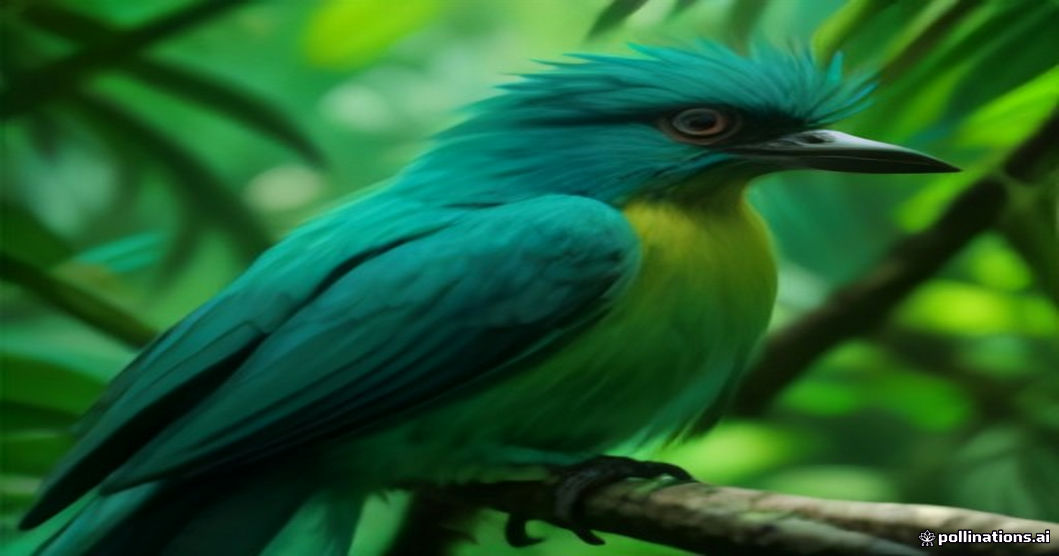
Measuring between 42 and 47 centimeters in length and weighing approximately 160 to 200 grams, the Rufous Motmot possesses a slender, elegant silhouette. Despite its substantial length, much of its profile is dominated by a remarkably long tail, which can make its body appear deceptively small. One of its most defining features is the vibrant orange plumage covering the head, neck, throat, and belly, contrasted sharply by a wide black mask that extends from the beak through the eye. Its legs are notably thin and short, optimized for stationary perching rather than terrestrial movement.
Dietary Habits and the Serrated Beak
The feeding strategy of the Rufous Motmot is a fascinating display of predatory efficiency. Often seen perched high within the canopy, the bird remains motionless while scanning for potential prey. Its diet is remarkably broad, consisting of insects caught mid-air, small mammals like mice, and reptiles such as lizards snatched from the forest floor. To facilitate the capture of such elusive prey, the Motmot is equipped with a powerful, black, serrated beak. These specialized serrations provide a firm grip, ensuring that struggling prey cannot escape. Additionally, these birds are known to opportunistically follow ant or termite swarms and will even pluck small fruits while in flight to supplement their protein-heavy diet.
Behavioral Adaptations
As an apex insectivore and small-vertebrate predator, the Rufous Motmot plays a crucial role in maintaining the balance of its ecosystem. Its ability to adapt its hunting techniques—from aerial hawking to ground-level strikes—demonstrates a high level of evolutionary specialization. Its characteristic “perch and wait” behavior allows it to conserve energy while maintaining a strategic advantage over the forest floor. For bird enthusiasts and conservationists alike, the Rufous Motmot remains a symbol of forest health and a captivating subject of study in the wild.
Written by Mohammed Murtaja
Editor-in-Chief & Executive Publisher of ZooPulse. Senior investigative journalist directing evidence-based research, veterinary science verification, and editorial governance.
Related Stories
 Uncategorized
Unlocking the Secrets of the Motmot: Nature’s Avian Percussionists
Introduction to the Fascinating Motmot In the vibrant, lush rainforests of Central and South America, a truly remarkable avian spectacle takes place daily. While birds are universally celebrated for their melodious songs and complex vocalizations, some species push the boundaries of communication in astonishing ways. Enter the motmot, a brilliantly colored bird known not just […]
UncategorizedExploring Koh Lao Lading: A Veterinarian’s Guide to Safe Tropical Travel with Your Pet
Discovering the Paradise of Koh Lao Lading Nestled in the breathtaking province of Krabi, Thailand, Koh Lao Lading—often referred to as ‘Paradise Island’—offers secluded sandy beaches, dramatic limestone cliffs, and crystal-clear turquoise waters. For adventurous pet parents traveling through Southeast Asia, it is an idyllic spot to soak in the tropical beauty alongside your furry […]
UncategorizedMarvels of the Night: The Extraordinary Standard-Winged Nightjar
Introduction to an Avian Wonder When studying the incredible diversity of nocturnal birds, one might assume there is little left to surprise a seasoned veterinarian or ornithologist. Yet, nature continually reveals breathtaking adaptations. Among these is the Standard-winged Nightjar, scientifically known as Macrodipteryx vexillarius, a species that redefines avian ornamentation during its remarkable breeding season. […]