The Scarlet Secret: Decoding the Biology and Beauty of the Waxwing
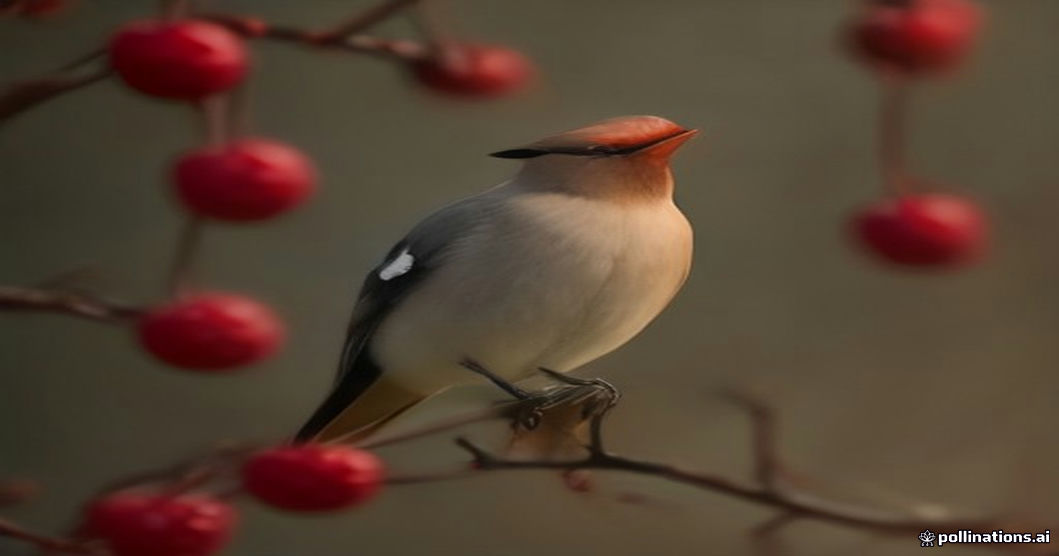
The Origin of a Unique Name Among bird enthusiasts and avian experts alike, the waxwing stands out as a masterpiece of nature. These birds are named for the brilliant, droplet-like red tips on their secondary wing feathers, which bear an uncanny resemblance to the crimson sealing wax historically used for correspondence. This striking feature is […]
The Origin of a Unique Name
Among bird enthusiasts and avian experts alike, the waxwing stands out as a masterpiece of nature. These birds are named for the brilliant, droplet-like red tips on their secondary wing feathers, which bear an uncanny resemblance to the crimson sealing wax historically used for correspondence. This striking feature is not merely decorative; it is a fascinating biological marker that reveals much about the bird’s life and health.
The Science Behind the ‘Wax’
From a veterinary perspective, these colorful appendages are actually elongated, flattened extensions of the feather shafts. Their vibrant red hue is the result of carotenoid pigments, specifically astaxanthin, which the birds sequester from the berries they consume. Research indicates that the number and size of these wax-like tips increase as the bird matures. Therefore, a waxwing with a high count of red tips is often an older, more experienced forager, signaling its fitness and social status to potential mates.
Dietary Specialists and Avian Health
Waxwings are specialized frugivores, meaning their survival is intricately linked to the availability of fruit. During the winter months, they travel in large, nomadic flocks in search of berry-laden trees such as mountain ash, juniper, and cedar. While this diet provides the pigments necessary for their plumage, it also poses a unique health risk: ethanol poisoning. When berries ferment in late winter, waxwings can become intoxicated, leading to disorientation and increased vulnerability. As animal health experts, we emphasize the importance of providing clean, non-fermented food sources and fresh water to support these birds during their migratory journeys.
Supporting Waxwings in Your Backyard
While waxwings are wild creatures and not pets, bird lovers can play a crucial role in their conservation. Planting native berry-producing shrubs and trees is the most effective way to ensure they have a safe, nutritious food supply. Additionally, because waxwings often fly in high-speed flocks, window strikes are a common cause of injury. Applying UV-reflective decals to large windows can prevent these accidents, ensuring these ‘wax-tipped’ beauties continue to grace our skies for generations to come.
Written by Mohammed Murtaja
Editor-in-Chief & Executive Publisher of ZooPulse. Senior investigative journalist directing evidence-based research, veterinary science verification, and editorial governance.
Related Stories
 Uncategorized
Exploring Yerköprü Waterfall: A Nature Lover’s Guide for Traveling with Pets in Türkiye
Nestled in the heart of Türkiye, Yerköprü Waterfall is a breathtaking natural wonder that captivates travelers with its cascading turquoise waters, lush greenery, and serene atmosphere. For pet owners and outdoor enthusiasts, visiting such a majestic destination with a canine companion can be an unforgettable adventure, provided you prioritize your animal’s health and safety. Preparing […]
 Uncategorized
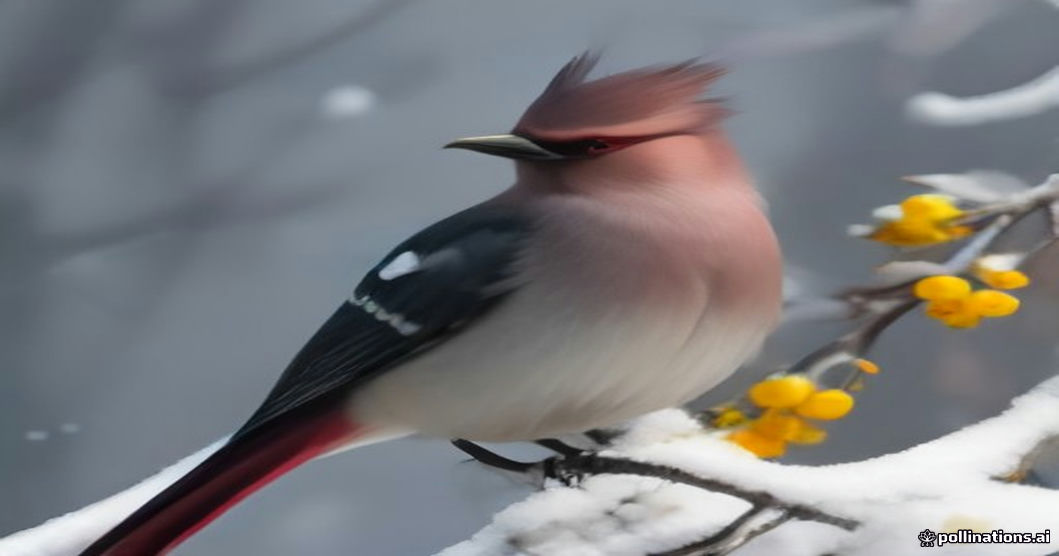
Avian Elegance of the North: The Fascinating Bohemian Waxwing
Introduction to the Bohemian Waxwing As a veterinarian and avian enthusiast, I am always captivated by the remarkable adaptations of northern wildlife. The Bohemian Waxwing, scientifically known as Bombycilla garrulus, is a true masterpiece of the boreal forests of the Northern Hemisphere. Inhabiting sparse coniferous and mixed forests, overgrown mountainous regions, and clearings, this striking […]
 Uncategorized
Exploring Yosemite National Park with Your Canine Companion: A Veterinarian’s Guide
Yosemite National Park stands as one of America’s most breathtaking natural wonders, offering majestic granite cliffs, giant sequoias, and cascading waterfalls. For pet parents, sharing this iconic California landscape with a furry best friend can be the adventure of a lifetime. However, exploring national parks with animals requires careful planning to ensure your pet stays […]