The Truth About Bath Day: Understanding Your Pet’s Ideal Grooming Routine
The Allure and Illusion of Daily Baths As pet lovers, we all cherish the moment our furry companions smell fresh, clean, and cuddle-ready. The playful phrase ‘Bath day — every day’ might sound like a dream for maintaining that just-groomed scent, but as a veterinarian, I often see the unintended consequences of overzealous washing. While […]

The Allure and Illusion of Daily Baths
As pet lovers, we all cherish the moment our furry companions smell fresh, clean, and cuddle-ready. The playful phrase ‘Bath day — every day’ might sound like a dream for maintaining that just-groomed scent, but as a veterinarian, I often see the unintended consequences of overzealous washing. While cleanliness is next to godliness in human society, our pets live by a very different biological set of rules.
The Science of Pet Skin and Coat Health
Unlike humans, dogs and cats rely heavily on their skin’s natural sebaceous glands to produce sebum—an oily substance that waterproofs the coat, adds a healthy sheen, and acts as a vital protective barrier against environmental pathogens, bacteria, and allergens. Subjecting your pet to daily baths strips away this essential lipid layer. The result? Dry, flaky, intensely itchy skin, and ironically, a rebound effect where the skin produces excess oil, leading to a greasy coat and unpleasant odors even faster.
Tailoring Hygiene to Your Specific Pet
So, how often should you actually bathe your four-legged friend? The answer depends on several factors, including breed, coat type, lifestyle, and underlying health conditions. Short-haired indoor cats generally require virtually no baths, as they groom themselves meticulously. Dogs, on the other hand, typically thrive with a bath every four to six weeks, unless they have rolled in something undesirable or suffer from dermatological conditions requiring medicated shampoos prescribed by your vet.
Healthy Alternatives to Daily Scrubbing
If your pet gets dirty frequently between traditional baths, you don’t need to reach for the shampoo bottle every time. Regular brushing is your best defense; it removes loose fur, distributes natural oils evenly, and traps dirt before it settles against the skin. For muddy paws after a rainy walk, use damp washcloths or pet-safe grooming wipes. By respecting your pet’s natural biology and scaling back the suds, you will ensure a healthier skin barrier, a shinier coat, and a much happier, more comfortable companion.
Written by Mohammed Murtaja
Editor-in-Chief & Executive Publisher of ZooPulse. Senior investigative journalist directing evidence-based research, veterinary science verification, and editorial governance.
Related Stories
 Uncategorized
Unveiling Angel Falls: A Veterinary and Pet Safety Guide to Venezuela’s Natural Wonder
When we think of Angel Falls in Venezuela, our minds immediately drift to the breathtaking spectacle of the world’s highest uninterrupted waterfall, plunging gracefully from the tabletop mountain of Auyán-tepui. As a veterinarian and animal health expert, however, my perspective on this majestic destination extends beyond the human tourist experience. The surrounding Gran Sabana region […]
 Uncategorized
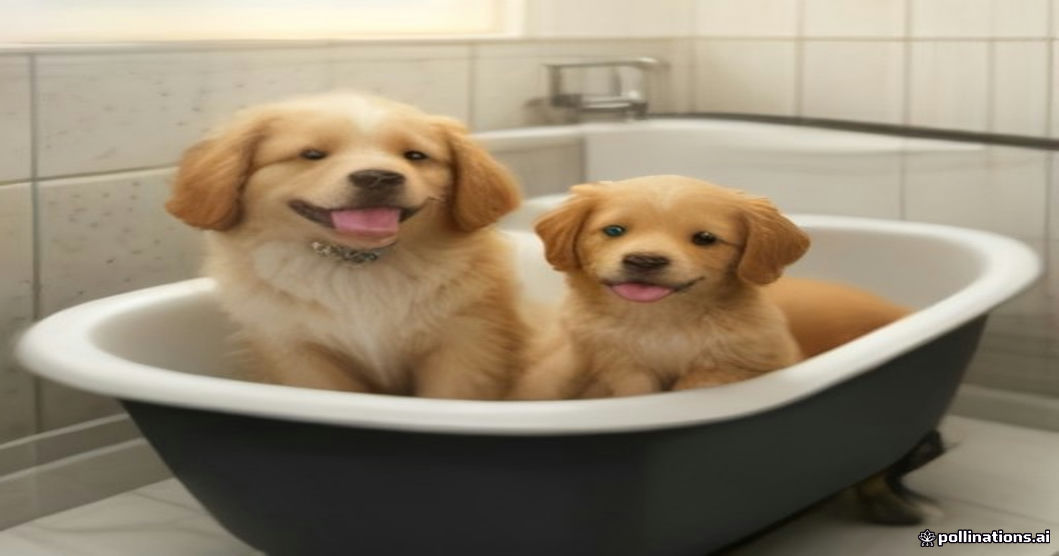
Mastering the Art of Canine Cleanliness: Insights from a Professional Grooming Lesson
As a veterinarian and pet care advocate, I always emphasize that grooming is much more than just keeping our furry companions looking their best—it is an essential pillar of their overall health and well-being. Recently, I attended an intensive hands-on washing and bathing lesson led by master groomers, and the experience reinforced just how nuanced […]
 Uncategorized
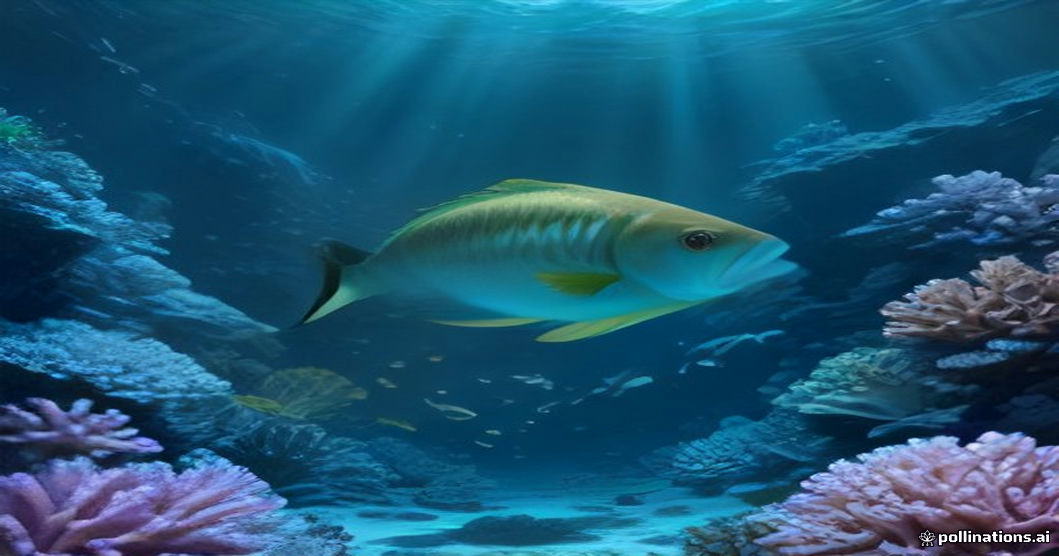
The Majestic Zebrasoma Desjardinii: Nature’s Reef Caretaker
Introduction to the Zebrasoma Desjardinii The Zebrasoma desjardinii, commonly known as the Red Sea Sailfin Tang, is one of the most stunning and beneficial additions to a marine saltwater aquarium. As a prominent member of the surgeonfish family, this magnificent creature combines striking aesthetics with a hardworking attitude towards tank maintenance. Natural Habitat and Algae […]