The Walking Medusa: Meet the Fascinating Stauromedusae
Unconventional Ocean Dwellers In the vast and mysterious world of marine biology, jellyfish are typically known for their graceful, floating movements through the open water. However, nature always finds a way to defy convention. Meet the Stauromedusae, a truly unique and unusual type of jellyfish that breaks all the rules of traditional marine life. Anchored […]
Unconventional Ocean Dwellers
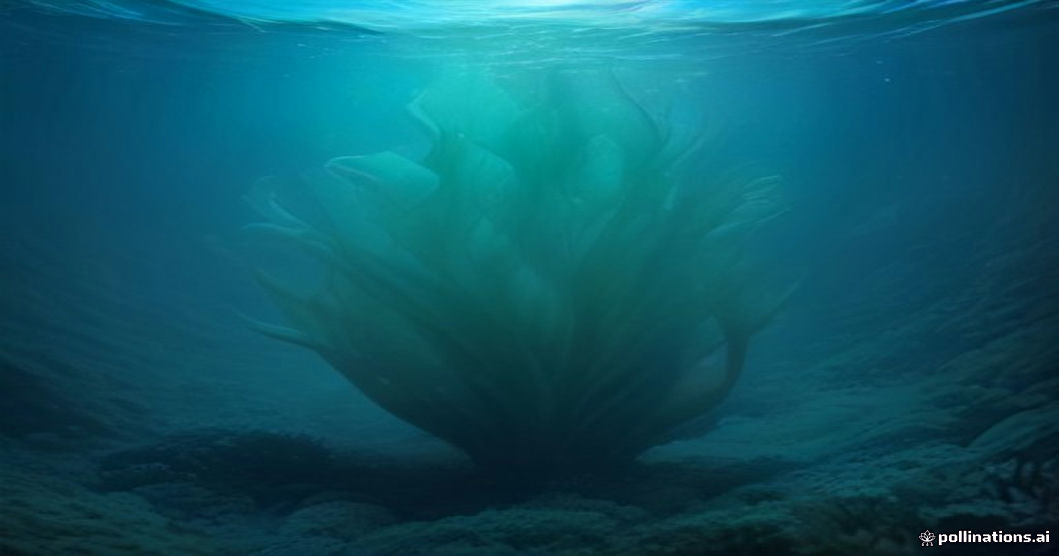
In the vast and mysterious world of marine biology, jellyfish are typically known for their graceful, floating movements through the open water. However, nature always finds a way to defy convention. Meet the Stauromedusae, a truly unique and unusual type of jellyfish that breaks all the rules of traditional marine life.
Anchored Yet Mobile: The Unique ‘Walk’
Instead of drifting aimlessly with ocean currents, Stauromedusae spend the vast majority of their lives securely anchored to rocks, swaying seaweed, or lush sea grass in coastal waters. But when circumstances require a change of scenery—whether for better hunting grounds or environmental shifts—these remarkable creatures perform a stunning locomotion trick. They ‘walk’ to a new spot by carefully attaching their specialized tentacles, releasing their adhesive base, and literally ‘stepping’ across the ocean floor to their new location.
Deceptive Appearance, Deadly Predation
At first glance, their stalked bodies and flower-like appearance might easily fool casual observers into thinking they are merely harmless marine plants gently swaying in the tide. Do not let their botanical disguise deceive you! Stauromedusae are active, efficient predators. They utilize specialized stinging cells, known as nematocysts, located on their tentacles to ambush and capture small, unsuspecting prey that swims too close to their grasp.
As marine experts continue to study these extraordinary stalked jellyfish, we are reminded of the endless diversity and adaptability of animal life in our planet’s oceans. The walking medusa truly stands out as one of the sea’s most intriguing hidden gems.
Written by Mohammed Murtaja
Editor-in-Chief & Executive Publisher of ZooPulse. Senior investigative journalist directing evidence-based research, veterinary science verification, and editorial governance.
Related Stories
 Uncategorized
Decoding Your Pet’s Coat: Color Variations and What They Mean for Health
The Marvel of Mammalian Coats As veterinarians and passionate animal advocates, we often marvel at the incredible diversity found in the animal kingdom. Depending on the environment, its fur can range from a reddish-brown to a golden hue, or even a greyish shade. This remarkable adaptability is not just a treat for the eyes; it […]