Tiny Terror of the Deep: Understanding the Deadly Irukandji Jellyfish
An Invisible Marine Hazard In the warm, turquoise coastal waters of northern Australia lurks one of the most deceptively dangerous creatures on the planet: the Irukandji jellyfish (Carukia barnesi). Measuring a minuscule one to two centimeters in bell diameter, this tiny box jellyfish is nearly translucent and practically invisible to swimmers, divers, and coastal pets […]
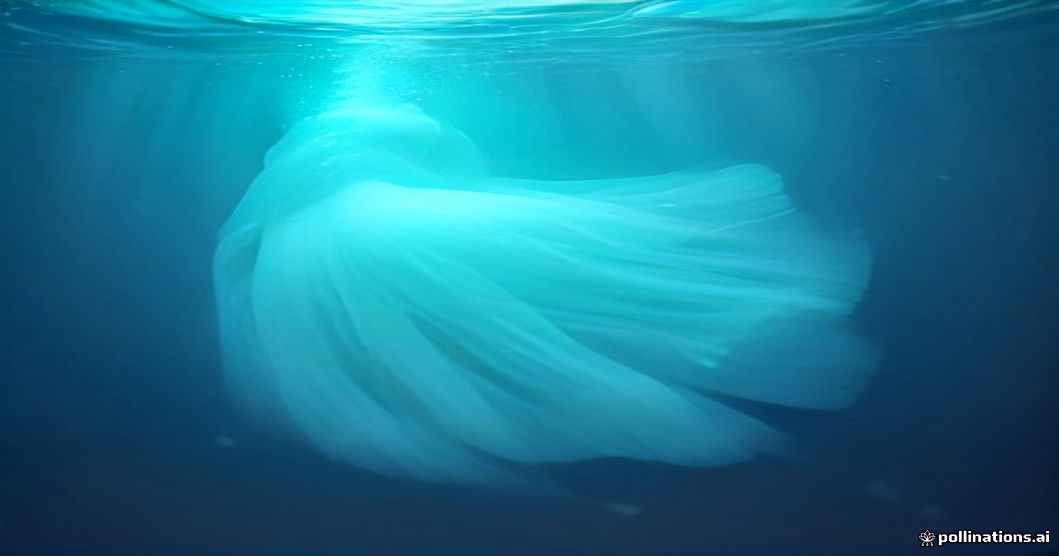
An Invisible Marine Hazard
In the warm, turquoise coastal waters of northern Australia lurks one of the most deceptively dangerous creatures on the planet: the Irukandji jellyfish (Carukia barnesi). Measuring a minuscule one to two centimeters in bell diameter, this tiny box jellyfish is nearly translucent and practically invisible to swimmers, divers, and coastal pets wading along the shoreline. Despite its fragile, thimble-sized appearance, trailing behind its bell are four gossamer, retractable tentacles that can extend over a meter in length, armed with an exceptionally toxic envenomation apparatus.
The Anatomy and Potency of Carukia barnesi
Unlike typical jellyfish species where stinging cells (nematocysts) are concentrated solely on the tentacles, Carukia barnesi features active stinging organelles across both its tentacles and its transparent bell. When triggered by contact, these microscopic harpoons penetrate the epidermis, discharging a complex cocktail of neurotoxins directly into the bloodstream. Because of the microscopic size of the animal, victims often barely register the initial physical contact, experiencing only a minor prickling sensation before systemic toxicity takes hold.
Irukandji Syndrome: Systemic Toxicity and Symptoms
Roughly twenty to forty minutes following the sting, victims develop a debilitating clinical condition known as Irukandji Syndrome. The venom triggers a massive endogenous catecholamine surge—flooding the body with adrenaline and noradrenaline. This sympathetic storm leads to agonizing muscular cramps, lower back pain, nausea, intractable vomiting, profuse diaphoresis, and severe psychological distress often described by patients as a feeling of impending doom. Most critically, the dramatic vasoconstriction causes acute and dangerous hypertension, which can precipitate fatal pulmonary edema or cardiac failure if intensive medical intervention is not provided immediately.
The Daring Discovery of Jack Barnes
For decades, mysterious and life-threatening illnesses among Australian swimmers baffled physicians, who could not identify the elusive culprit. In 1961, medical researcher Dr. Jack Barnes embarked on an extraordinary quest to isolate the source. After locating the diminutive, nearly unseen jellyfish in the shallows of Palm Cove, Queensland, Barnes famously tested his hypothesis by purposely applying the creature’s tentacles to himself, his nine-year-old son, and a volunteer lifeguard. All three men swiftly developed textbook Irukandji Syndrome and required emergency hospitalization. His daring self-experimentation proved definitive, and the species was later classified and named Carukia barnesi in his honor.
Emergency First Aid and Marine Safety
Management of an Irukandji sting requires rapid action and emergency clinical transport. The primary first-aid protocol involves immediately dousing the affected area liberally with domestic vinegar (acetic acid) for at least thirty seconds. Vinegar does not alleviate the pain already caused by injected venom, but it effectively neutralizes remaining undischarged nematocysts on the skin, preventing further toxicity during victim transfer. Given the delayed onset of systemic symptoms, any suspected sting in endemic tropical waters warrants prompt medical evaluation, continuous cardiovascular monitoring, and aggressive pain management in an intensive care setting.
Written by Mohammed Murtaja
Editor-in-Chief & Executive Publisher of ZooPulse. Senior investigative journalist directing evidence-based research, veterinary science verification, and editorial governance.
Related Stories
 Nature
The Majestic Zebrasoma Desjardinii: Nature’s Reef Caretaker
Introduction to the Zebrasoma Desjardinii The Zebrasoma desjardinii, commonly known as the Red Sea Sailfin Tang, is one of the most stunning and beneficial additions to a marine saltwater aquarium. As a prominent member of the surgeonfish family, this magnificent creature combines striking aesthetics with a hardworking attitude towards tank maintenance. Natural Habitat and Algae […]
 Nature
Unveiling the Fascinating World of Ceriantharia: The Tube-Dwelling Anemone
Introduction to Ceriantharia In the vast and mysterious realm of marine life, few creatures possess the unique architectural and survival skills of Ceriantharia, commonly known as tube-dwelling anemones. Unlike their free-roaming or rock-anchored stony cousins, these captivating anthozoans spend the majority of their lives hidden safely beneath the substrate within a meticulously crafted cylindrical home. […]
 Nature
The Giant Siphonophore: Unlocking the Mysteries of the Ocean’s Longest Living Wonder
The oceanic depths harbor some of the most extraordinary biological phenomena on Earth, challenging our fundamental definitions of individuality, anatomy, and survival. Among these deep-sea wonders is the giant siphonophore (genus Apolemia), an ethereal creature whose breathtaking scale and communal physiology have captured the imagination of marine biologists, comparative anatomists, and naturalists worldwide. A Symphony […]