Understanding the Crocodile Gallop in Dogs: What Veterinary Science Tells Us
When observing dogs in motion, we often marvel at their agility, speed, and diverse running styles. While most pet owners are familiar with the standard trot or double-suspension gallop, there is a fascinating and specific locomotive pattern known as the “crocodile gallop.” As a veterinarian, I often get asked what this unique movement means for […]
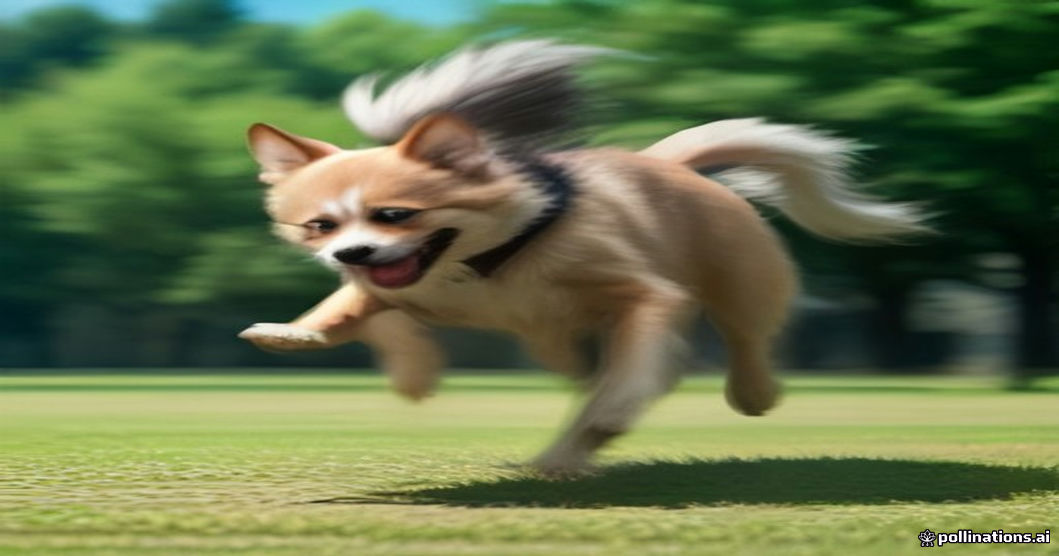
When observing dogs in motion, we often marvel at their agility, speed, and diverse running styles. While most pet owners are familiar with the standard trot or double-suspension gallop, there is a fascinating and specific locomotive pattern known as the “crocodile gallop.” As a veterinarian, I often get asked what this unique movement means for a canine’s health and mobility.
What is the Crocodile Gallop?
The term “crocodile gallop” refers to an asymmetrical gait where a dog moves the front and hind limbs on the same side of the body almost simultaneously, mimicking the lateral rolling motion of a crawling crocodile. Unlike the traditional rotary or transverse gallop where limbs move in coordinated diagonal pairs or distinct sequences, the crocodile gallop involves a distinct lateral undulation of the spine and a synchronized pairing of ipsilateral legs.
Clinical Significance and Underlying Causes
While some dogs may exhibit this unusual gait simply as a quirky, individual behavioral trait or momentary burst of playful energy, veterinary professionals look closer to rule out underlying musculoskeletal or neurological issues. In many cases, a lateral or pacing-adjacent gallop can be an adaptive mechanism. Dogs dealing with hip dysplasia, patellar luxation, or mild spinal discomfort may alter their biomechanics to minimize pain in specific joints, inadvertently creating a crocodile-like motion.
Diagnosis and Veterinary Evaluation
If you notice your canine companion consistently moving with a crocodile gallop, it is essential to schedule a comprehensive physical examination. A veterinarian will typically perform a gait analysis, palpate the spine and joints, and potentially recommend diagnostic imaging such as radiographs to assess bone structure and joint health. Early detection of joint degeneration or spinal stenosis can significantly improve long-term management and prognosis.
Supporting Canine Mobility and Joint Health
For dogs that display unique gaits due to structural changes or aging joints, proactive care is vital. Maintaining an optimal body condition score through a balanced diet reduces unnecessary stress on the musculoskeletal system. Additionally, incorporating veterinary-approved joint supplements containing glucosamine, chondroitin, and omega-3 fatty acids can support cartilage health and mobility, ensuring your furry friend stays active and comfortable throughout all their unique running adventures.
Written by Mohammed Murtaja
Editor-in-Chief & Executive Publisher of ZooPulse. Senior investigative journalist directing evidence-based research, veterinary science verification, and editorial governance.
Related Stories
 Animal News
Paws in the Snow: Canine Care and Veterinary Insights from Arctic Tromsø, Norway
Introduction to Arctic Pet Ownership High above the Arctic Circle lies Tromsø, Norway, a breathtaking city known for its stunning fjords, vibrant culture, and mesmerizing Northern Lights. But for local veterinarians and pet owners, Tromsø is also a unique environment that presents distinct challenges and rewards for animal health and canine care. From navigating deep […]
 Animal News
The Ultimate Guide to Red-Eared Slider Turtles: Care, Habitat, and Health
Introduction to the Red-Eared Slider The Red-Eared Slider turtle (Trachemys scripta elegans) is one of the most popular and recognizable aquatic turtle species in the world. Named for the distinct red or orange stripe located just behind each eye and their ability to quickly slide off rocks and logs into the water, these fascinating reptiles […]
 Animal News
Pet Care in the Southern Urals: A Veterinary Guide for Companions in Beloretsk, Bashkortostan
Nestled in the rugged, forested slopes of the southern Ural Mountains along the Belaya River, Beloretsk presents a breathtaking backdrop for pet owners. However, the distinct continental subarctic climate of Bashkortostan—characterized by long, frigid winters, heavy snowfall, and warm, verdant summers—demands a tailored approach to veterinary wellness. Whether caring for high-energy working breeds, domestic indoor […]