Unleashing the Inner Warrior: Understanding Ursine Agility, Coordination, and Play Behavior
When we witness footage of a bear spinning a stick with martial arts-like precision, it is hard not to think of classic kung fu movies. While these magnificent creatures are not actually studying ancient eastern philosophies, the viral perception that ‘this bear knows kung fu’ highlights a fascinating aspect of ursine biology: incredible agility, hand-eye […]

When we witness footage of a bear spinning a stick with martial arts-like precision, it is hard not to think of classic kung fu movies. While these magnificent creatures are not actually studying ancient eastern philosophies, the viral perception that ‘this bear knows kung fu’ highlights a fascinating aspect of ursine biology: incredible agility, hand-eye coordination, and complex play behavior.
The Anatomy of Ursine Agility
Despite their bulky appearance and sheer size, bears are surprisingly athletic. Their muscular frame, powerful shoulders, and flexible joints allow them to climb trees, swim great distances, and manipulate objects with remarkable dexterity. When a bear twirls a stick or manipulates an object, it is showcasing a high level of proprioception—the body’s ability to sense movement, action, and location.
Play and Cognitive Development in Bears
Animal behaviorists note that object manipulation and repetitive movements in wildlife are often forms of play. Play is crucial for cognitive development, especially in younger bears. It sharpens their motor skills, hones their problem-solving abilities, and prepares them for real-world scenarios such as foraging, defending territory, and interacting with their environment.
Physical Enrichment for Captive Wildlife
In professional zoological care, observing this natural inclination for object play helps keepers design better enrichment programs. Providing puzzle feeders, logs, and safe objects to manipulate stimulates their minds and keeps their bodies active. So, while that viral bear might look like a furry black belt ready to take on opponents, it is simply engaging in natural, healthy, and inherently playful behaviors that remind us just how intelligent and adaptable ursids truly are.
Written by Mohammed Murtaja
Editor-in-Chief & Executive Publisher of ZooPulse. Senior investigative journalist directing evidence-based research, veterinary science verification, and editorial governance.
Related Stories
 Uncategorized
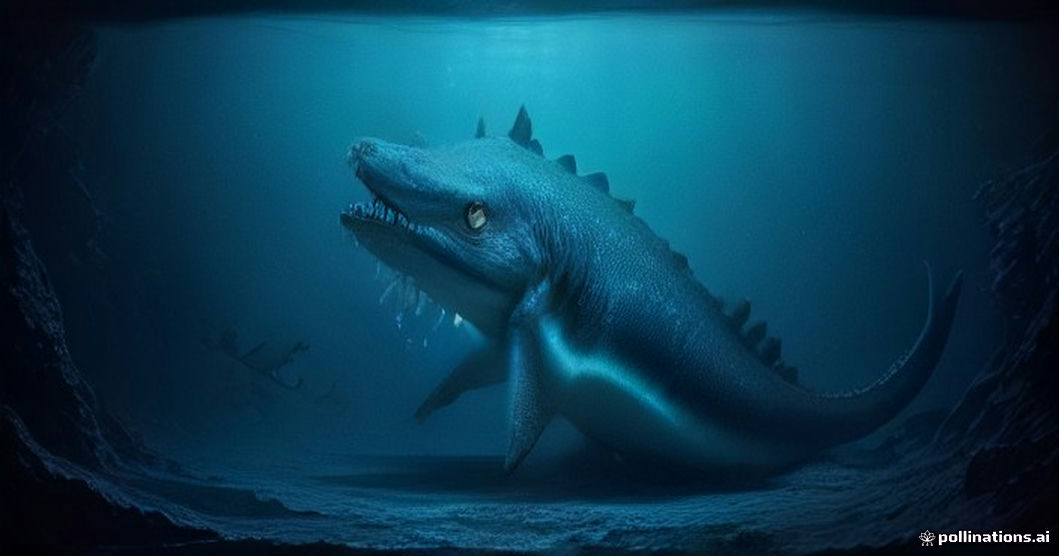
Unveiling the Bathysaurus ferox: The Apex Predator of the Deep Sea
Introduction to the Deep-Sea Monster In the mysterious, pitch-black realms of our planet’s deepest oceans resides a creature that sounds like it was pulled straight from prehistoric fiction. Meet the Bathysaurus ferox, often referred to as the deep-sea lizardfish. With a dinosaur-like appearance and a name that strikes fear into the hearts of benthic prey, […]
 Uncategorized
Unveiling the Indo-Pacific Electric Ray: Nature’s Shocking Panther of the Sea
Introduction to the Indo-Pacific Electric Ray As veterinary professionals and marine life enthusiasts, we are constantly amazed by the diverse and wondrous adaptations found in the animal kingdom. Among the most fascinating marine species is the Indo-Pacific Electric Ray, scientifically known as Torpedo panthera. Inhabiting the warm, coastal waters of the western Indian Ocean—including the […]
 Uncategorized
Paws in Paradise: Exploring the Pet-Friendly Cayman Islands
Discovering the Caribbean’s Best-Kept Secret with Your Pet The Cayman Islands offer beautiful weather year-round, warm waters, the clearest water in the Caribbean, and pristine locations to explore. Beyond the breathtaking beaches and world-class diving for humans, this tropical paradise is increasingly welcoming to our four-legged family members. Health and Wellness Considerations for Traveling Pets […]