Unlocking the Secrets of the Australian Pineapple Fish: Nature’s Armored Bioluminescent Wonder
Introduction to the Australian Pineapple Fish In the mesmerizing depths of the ocean lies one of the most uniquely armored and fascinating marine creatures: the Australian Pineapple Fish, scientifically known as Cleidopus gloriamaris. As a veterinary and pet care expert focusing on diverse animal species, diving into the biology of exotic aquatic life reveals the […]
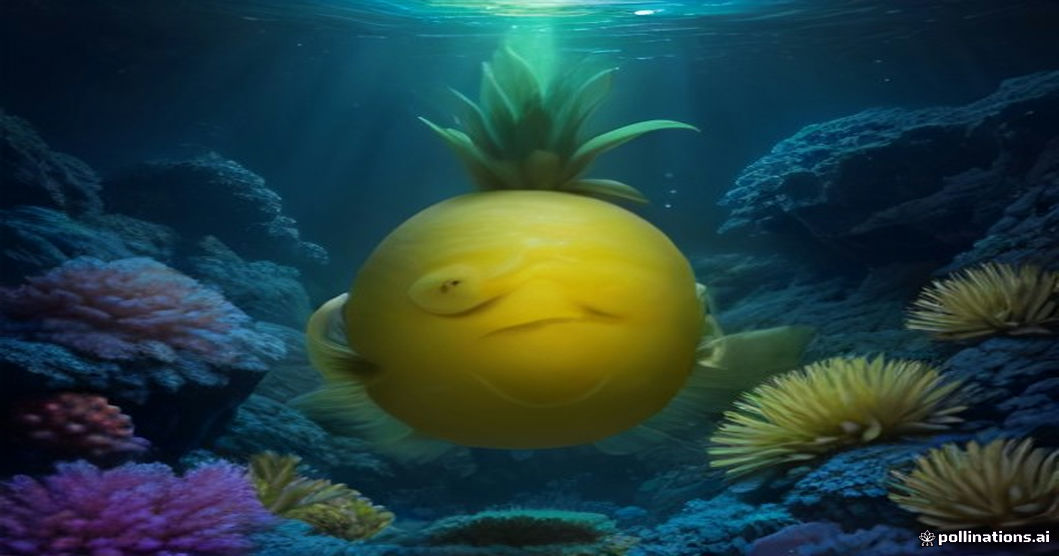
Introduction to the Australian Pineapple Fish
In the mesmerizing depths of the ocean lies one of the most uniquely armored and fascinating marine creatures: the Australian Pineapple Fish, scientifically known as Cleidopus gloriamaris. As a veterinary and pet care expert focusing on diverse animal species, diving into the biology of exotic aquatic life reveals the incredible adaptations these animals use to survive in extreme environments.
Physical Characteristics and the Pineapple Armor
The pineapple fish gets its common name from its striking appearance. It features large, heavy, yellow-gold scales outlined in dark, prominent edges that create a distinct pattern remarkably similar to a pineapple’s rind. This rigid, armored exterior serves as a formidable natural defense against potential predators in its deep-water habitat, making it a true fortress of the sea.
Bioluminescence and Hunting Habits
One of the most remarkable features of Cleidopus gloriamaris is its ability to produce light. The fish possesses two specialized glowing organs located right under its jaw. This fascinating bioluminescence is actually produced by symbiotic bacteria living within the organs. The pineapple fish uses this built-in flashlight to navigate the pitch-black ocean depths and locate prey with precision.
Behavior and Habitat
Native to the waters of Australia, these nocturnal hunters prefer the safety of shadows during daylight hours. By day, they typically hide inside dark caves, crevices, and under rocky ledges at depths reaching up to 150 meters. As night falls, they emerge from their hiding spots to forage for food, showcasing a lifestyle perfectly synchronized with the rhythm of the deep sea.
Written by Mohammed Murtaja
Editor-in-Chief & Executive Publisher of ZooPulse. Senior investigative journalist directing evidence-based research, veterinary science verification, and editorial governance.
Related Stories
 Uncategorized
Mastering the Art of Canine Cleanliness: Insights from a Professional Grooming Lesson
As a veterinarian and pet care advocate, I always emphasize that grooming is much more than just keeping our furry companions looking their best—it is an essential pillar of their overall health and well-being. Recently, I attended an intensive hands-on washing and bathing lesson led by master groomers, and the experience reinforced just how nuanced […]
 Uncategorized
The Majestic Zebrasoma Desjardinii: Nature’s Reef Caretaker
Introduction to the Zebrasoma Desjardinii The Zebrasoma desjardinii, commonly known as the Red Sea Sailfin Tang, is one of the most stunning and beneficial additions to a marine saltwater aquarium. As a prominent member of the surgeonfish family, this magnificent creature combines striking aesthetics with a hardworking attitude towards tank maintenance. Natural Habitat and Algae […]
 Uncategorized
Exploring Loch Achtriochtan: A Veterinary Perspective on Hiking Safely with Your Dog in Glencoe
Nestled in the breathtaking heart of Scotland’s dramatic Glencoe valley, the picturesque mountain lake of Loch Achtriochtan is a renowned haven for landscape photographers and outdoor enthusiasts alike. Surrounded by majestic, rugged peaks and tranquil waters, it offers an idyllic escape into nature. However, for pet parents and animal health enthusiasts, exploring this stunning Highland […]