Unlocking the Sensory Enigma of Tambja gabrielae: A Masterpiece of Marine Neurobiology
The marine realm is home to an extraordinary spectrum of biodiversity, but few creatures capture the scientific imagination quite like Tambja gabrielae. Known colloquially as a species of vibrant polycerid sea slug, this marine gastropod exemplifies the intricate evolutionary specialization required to survive in complex aquatic ecosystems. While sea slugs are widely admired for their […]
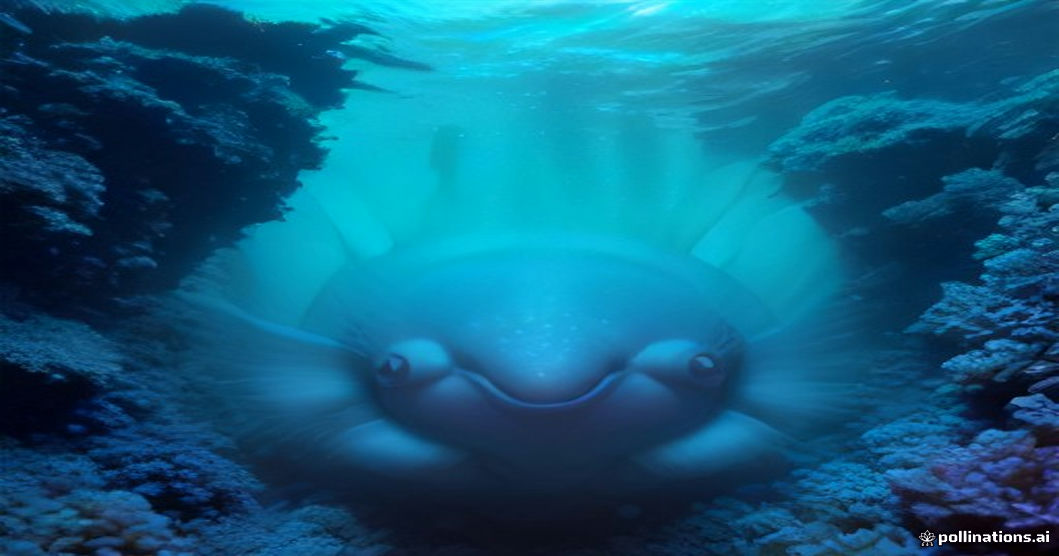
The marine realm is home to an extraordinary spectrum of biodiversity, but few creatures capture the scientific imagination quite like Tambja gabrielae. Known colloquially as a species of vibrant polycerid sea slug, this marine gastropod exemplifies the intricate evolutionary specialization required to survive in complex aquatic ecosystems. While sea slugs are widely admired for their striking pigmentation, marine biologists and comparative physiologists are increasingly focused on their sophisticated sensory apparatus, which functions as an astonishing biological radar.
The Critical Role of Rhinophores in Aquatic Navigation
In the absence of high-resolution visual organs, marine invertebrates rely heavily on chemoreception. Situated prominently on the head of Tambja gabrielae are specialized sensory appendages known as rhinophores. These structure-rich, tentacle-like organs are lined with microscopic receptors that detect water-soluble chemical cues. In a fluid dynamic environment, chemical trails disperse rapidly; the rhinophores enable the sea slug to detect minute changes in water chemistry, assess predator proximity, identify conspecifics for reproduction, and read the subtle contours of its underwater habitat.
The Enigmatic Nerve Structures: Unraveling Foraging Secrets
Beyond the well-documented rhinophores, researchers have observed a distinct pair of nearby secondary sensory organs in Tambja gabrielae that continue to puzzle scientists. Histological analyses reveal these structures are densely packed with neural bundles, indicating a high volume of signal processing and intense biological investment. While their definitive function is still actively investigated, prevailing physiological theories suggest these structures act as ultra-sensitive chemo-tactile guides specialized for prey tracking. Feeding primarily on specific sessile organisms like bryozoans, Tambja gabrielae may utilize these dense nerve hubs to differentiate toxic compounds from viable nourishment.
Ecological Health and Marine Bio-Indication
The sensory sensitivity that defines Tambja gabrielae also renders it particularly susceptible to shifting ocean conditions. Because their chemosensory systems depend on clear, unpolluted water to pick up molecular traces, chemical contaminants and ocean acidification pose severe threats to their neurological functionality and foraging success. For aquatic biologists and veterinary specialists studying environmental health, monitoring the behavioral competence and population stability of specialized nudibranchs provides indispensable early warnings regarding the health of fragile reef networks.
The Frontier of Invertebrate Physiology
The delicate neurology of Tambja gabrielae underscores how much remains to be discovered about invertebrate sensory ecology. By decoding the unknown functions of its nerve-dense structures, marine researchers can unlock deeper insights into biological chemical sensing, cellular navigation, and the multifaceted adaptations that sustain ocean biodiversity.
Written by Mohammed Murtaja
Editor-in-Chief & Executive Publisher of ZooPulse. Senior investigative journalist directing evidence-based research, veterinary science verification, and editorial governance.
Related Stories
 Nature
The Majestic Zebrasoma Desjardinii: Nature’s Reef Caretaker
Introduction to the Zebrasoma Desjardinii The Zebrasoma desjardinii, commonly known as the Red Sea Sailfin Tang, is one of the most stunning and beneficial additions to a marine saltwater aquarium. As a prominent member of the surgeonfish family, this magnificent creature combines striking aesthetics with a hardworking attitude towards tank maintenance. Natural Habitat and Algae […]
 Nature
Unveiling the Fascinating World of Ceriantharia: The Tube-Dwelling Anemone
Introduction to Ceriantharia In the vast and mysterious realm of marine life, few creatures possess the unique architectural and survival skills of Ceriantharia, commonly known as tube-dwelling anemones. Unlike their free-roaming or rock-anchored stony cousins, these captivating anthozoans spend the majority of their lives hidden safely beneath the substrate within a meticulously crafted cylindrical home. […]
 Nature
The Giant Siphonophore: Unlocking the Mysteries of the Ocean’s Longest Living Wonder
The oceanic depths harbor some of the most extraordinary biological phenomena on Earth, challenging our fundamental definitions of individuality, anatomy, and survival. Among these deep-sea wonders is the giant siphonophore (genus Apolemia), an ethereal creature whose breathtaking scale and communal physiology have captured the imagination of marine biologists, comparative anatomists, and naturalists worldwide. A Symphony […]