Unveiling the Depths: The Fascinating Biology of Japetella diaphana
Introduction to a Deep-Sea Marvel In the vast, mysterious realms of our planet’s oceans, extraordinary creatures continue to baffle and amaze marine biologists. Among these elusive inhabitants is Japetella diaphana, a captivating species of pelagic octopus that thrives far beyond the reach of sunlight. As a veterinary and animal health professional, exploring the unique physiological […]
Introduction to a Deep-Sea Marvel
In the vast, mysterious realms of our planet’s oceans, extraordinary creatures continue to baffle and amaze marine biologists. Among these elusive inhabitants is Japetella diaphana, a captivating species of pelagic octopus that thrives far beyond the reach of sunlight. As a veterinary and animal health professional, exploring the unique physiological adaptations of such extreme-environment animals offers profound insights into the resilience of life on Earth.
Anatomy and Unique Adaptations
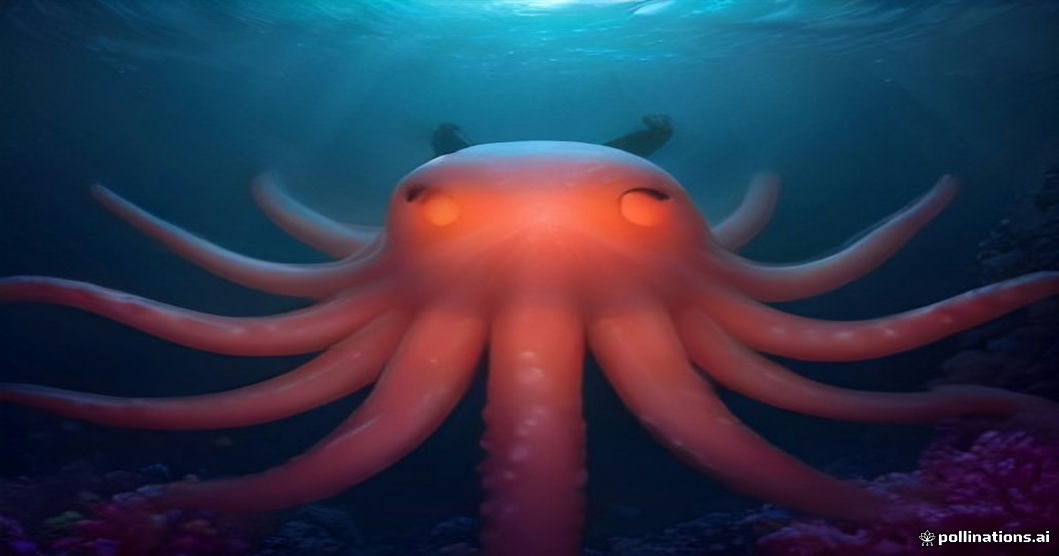
Measuring as a relatively small cephalopod, Japetella diaphana is easily recognized by its brownish coloration paired with striking orange hues. However, its most defining characteristic is its remarkable transparency. Living at depths averaging 1.5 kilometers below the ocean surface, this translucent quality serves as a vital camouflage mechanism against predators in the mesopelagic and bathypelagic zones. Unlike many benthic species, this octopus is strictly pelagic, meaning it spends its entire life swimming in the open ocean water column and never touches the ocean floor.
Habitat and Global Distribution
The habitat of Japetella diaphana spans specialized oceanic niches, ranging from the warm, tropical waters of the Eastern Pacific to the icy, challenging currents near Russia’s Kuril Islands. Surviving in high-pressure, low-temperature, and pitch-black environments requires specialized metabolic and respiratory adaptations that scientists are still actively studying. Understanding these deep-sea cephalopods not only expands our marine zoology knowledge but also underscores the incredible diversity of animal life across disparate global ecosystems.
Written by Mohammed Murtaja
Editor-in-Chief & Executive Publisher of ZooPulse. Senior investigative journalist directing evidence-based research, veterinary science verification, and editorial governance.
Related Stories
 Uncategorized
Bioluminescent Marvels of the Deep: Unveiling the Rare Planctoteuthis Squid
A Remarkable Deep-Sea Encounter In the relentless pursuit of ocean exploration, scientists from the Schmidt Ocean Institute recently made a breathtaking discovery using an advanced remotely operated vehicle (ROV). Venturing into the pitch-black depths of the ocean, researchers captured footage of a remarkably rare Planctoteuthis squid. This mesmerizing cephalopod instantly captivated marine biologists with its […]
 Uncategorized
Exploring the Rock of Cashel: A Veterinary and Pet-Friendly Journey Through Ireland’s Ancient History
When travelers think of Ireland’s most iconic historical landmarks, the majestic Rock of Cashel—also famously known as St. Patrick’s Rock, situated in the heart of Cashel, Ireland—immediately comes to mind. Rising high above the Tipperary plains, this medieval architectural wonder offers breathtaking views and a deep dive into ecclesiastical history. But for animal lovers and […]
 Uncategorized
Mastering the Art of Canine Cleanliness: Insights from a Professional Grooming Lesson
As a veterinarian and pet care advocate, I always emphasize that grooming is much more than just keeping our furry companions looking their best—it is an essential pillar of their overall health and well-being. Recently, I attended an intensive hands-on washing and bathing lesson led by master groomers, and the experience reinforced just how nuanced […]