Unveiling the Marabou Stork: Giants of the Savanna and Masters of Adaptation
Introduction to the Impressive Marabou Stork Among all storks, the marabou stands out for its truly impressive size and unmistakable presence. Recognized scientifically, the species is divided into three distinct subspecies: Indian, African, and Javan. In this exploration, we focus on the remarkable African marabou (Leptoptilos crumeniferus), a bird that commands attention wherever it goes. […]
Introduction to the Impressive Marabou Stork
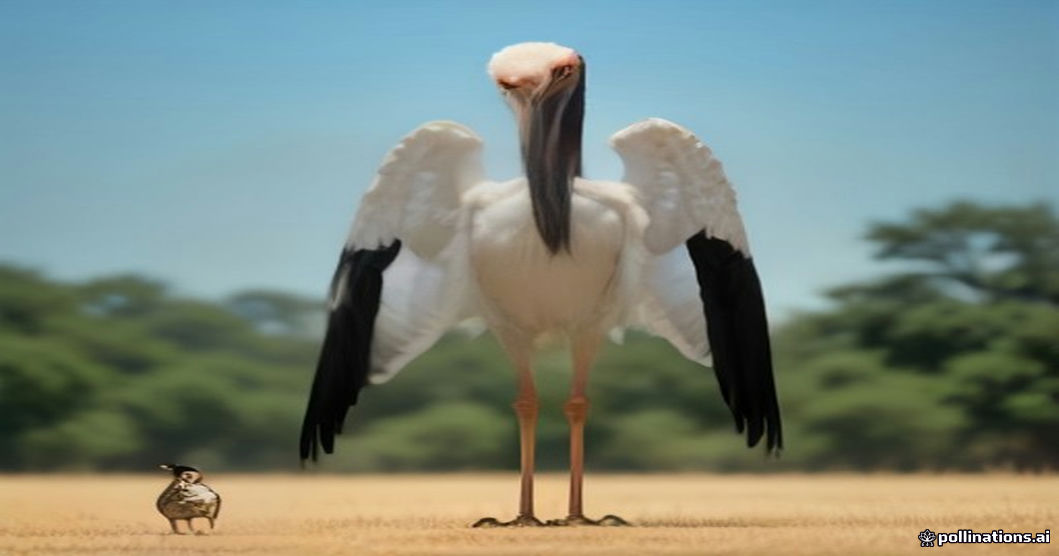
Among all storks, the marabou stands out for its truly impressive size and unmistakable presence. Recognized scientifically, the species is divided into three distinct subspecies: Indian, African, and Javan. In this exploration, we focus on the remarkable African marabou (Leptoptilos crumeniferus), a bird that commands attention wherever it goes.
Unique Morphology and Hygiene Adaptation
These birds possess a highly distinctive appearance that instantly sets them apart. However, they are frequently spotted inhabiting large landfills and scavenging areas in search of sustenance. Interestingly, their bare neck and head—completely lacking feathers—are not just for show; this unique anatomical feature helps keep their bodies clean of bacteria and debris while feeding on carrion.
Size and Physical Specifications
As true giants of the avian world, the African marabou can reach heights of over 1.5 meters (nearly 5 feet) and typically weigh between 8.5 to 10 kg (18.5 to 22 pounds). Complementing this formidable frame is an astonishing wingspan that can stretch up to 3.7 meters (12 feet), ranking it among the largest flying birds on Earth!
The Enigmatic Neck Pouch
One of the most fascinating features of the marabou is the unique gular pouch located in the neck area, which is directly connected to the nostrils. This fleshy sac can inflate to reach up to 40 cm in diameter. Interestingly, in young individuals, this pouch is almost entirely absent and grows progressively as the bird matures. While it was previously a common misconception that birds stored excess food in this pouch for later consumption, science has revealed its true purpose: it is used primarily during courtship displays and serves as a comfortable rest for their heavy heads when the birds are at ease.
Written by Mohammed Murtaja
Editor-in-Chief & Executive Publisher of ZooPulse. Senior investigative journalist directing evidence-based research, veterinary science verification, and editorial governance.
Related Stories
 Uncategorized
Mastering the Art of Canine Cleanliness: Insights from a Professional Grooming Lesson
As a veterinarian and pet care advocate, I always emphasize that grooming is much more than just keeping our furry companions looking their best—it is an essential pillar of their overall health and well-being. Recently, I attended an intensive hands-on washing and bathing lesson led by master groomers, and the experience reinforced just how nuanced […]
 Uncategorized
The Majestic Zebrasoma Desjardinii: Nature’s Reef Caretaker
Introduction to the Zebrasoma Desjardinii The Zebrasoma desjardinii, commonly known as the Red Sea Sailfin Tang, is one of the most stunning and beneficial additions to a marine saltwater aquarium. As a prominent member of the surgeonfish family, this magnificent creature combines striking aesthetics with a hardworking attitude towards tank maintenance. Natural Habitat and Algae […]
 Uncategorized
Exploring Loch Achtriochtan: A Veterinary Perspective on Hiking Safely with Your Dog in Glencoe
Nestled in the breathtaking heart of Scotland’s dramatic Glencoe valley, the picturesque mountain lake of Loch Achtriochtan is a renowned haven for landscape photographers and outdoor enthusiasts alike. Surrounded by majestic, rugged peaks and tranquil waters, it offers an idyllic escape into nature. However, for pet parents and animal health enthusiasts, exploring this stunning Highland […]