Unveiling the Mysteries of the Shark Ray: The Ocean’s Gentle Armor
Introduction to the Remarkable Shark Ray As veterinary and marine science professionals, we are constantly astounded by the incredible diversity of aquatic life. Among the most fascinating inhabitants of the tropical seas is the shark ray scientifically known as Rhina ancylostoma. Often referred to as the bowmouth guitarfish, this magnificent creature bridges the visual gap […]
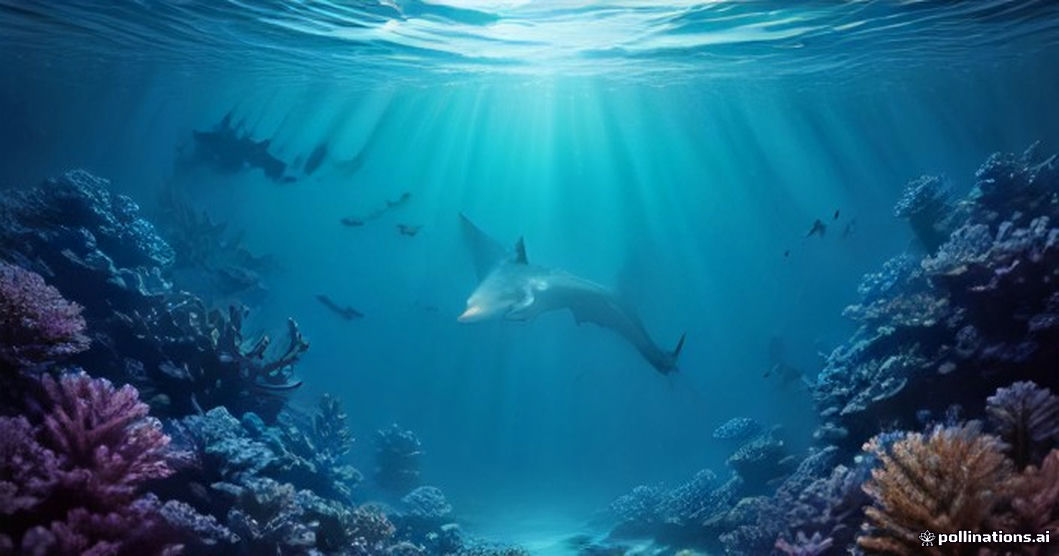
Introduction to the Remarkable Shark Ray
As veterinary and marine science professionals, we are constantly astounded by the incredible diversity of aquatic life. Among the most fascinating inhabitants of the tropical seas is the shark ray scientifically known as Rhina ancylostoma. Often referred to as the bowmouth guitarfish, this magnificent creature bridges the visual gap between sharks and rays, boasting a truly unique anatomical design.
Physical Characteristics and Size
The shark ray is a formidable yet majestic sight in marine waters. Featuring a distinctive flattened body paired with broad, powerful pectoral fins, it can reach impressive lengths of up to 2.7 meters (nearly 9 feet) and weigh a staggering 140 kilograms (approx. 309 pounds). Its robust structure is complemented by heavy ridges and thorny tubercles along its head and back, providing natural armor.
Habitat and Dietary Habits
These tropical dwellers primarily thrive in the warm, coastal waters of the Indian and Pacific Oceans. They are frequently observed cruising near coral reefs and sandy flats. As carnivorous bottom-feeders, their specialized, crushing tooth plates allow them to expertly forage for a diet consisting primarily of small fish, hard-shelled mollusks, and crustaceans.
Ecological Role and Predators
Within the complex marine ecosystem, the shark ray plays a vital role in regulating benthic invertebrate populations. Despite their considerable size and armored appearance, they are not entirely at the top of the food chain. Their primary predators in the wild are large, powerful apex predators such as the tiger shark. Understanding and protecting species like the shark ray remains crucial for maintaining the delicate balance of our global ocean ecosystems.
Written by Mohammed Murtaja
Editor-in-Chief & Executive Publisher of ZooPulse. Senior investigative journalist directing evidence-based research, veterinary science verification, and editorial governance.
Related Stories
 Uncategorized
Mastering the Art of Canine Cleanliness: Insights from a Professional Grooming Lesson
As a veterinarian and pet care advocate, I always emphasize that grooming is much more than just keeping our furry companions looking their best—it is an essential pillar of their overall health and well-being. Recently, I attended an intensive hands-on washing and bathing lesson led by master groomers, and the experience reinforced just how nuanced […]
 Uncategorized
The Majestic Zebrasoma Desjardinii: Nature’s Reef Caretaker
Introduction to the Zebrasoma Desjardinii The Zebrasoma desjardinii, commonly known as the Red Sea Sailfin Tang, is one of the most stunning and beneficial additions to a marine saltwater aquarium. As a prominent member of the surgeonfish family, this magnificent creature combines striking aesthetics with a hardworking attitude towards tank maintenance. Natural Habitat and Algae […]
 Uncategorized
Exploring Loch Achtriochtan: A Veterinary Perspective on Hiking Safely with Your Dog in Glencoe
Nestled in the breathtaking heart of Scotland’s dramatic Glencoe valley, the picturesque mountain lake of Loch Achtriochtan is a renowned haven for landscape photographers and outdoor enthusiasts alike. Surrounded by majestic, rugged peaks and tranquil waters, it offers an idyllic escape into nature. However, for pet parents and animal health enthusiasts, exploring this stunning Highland […]