Unveiling the Silver Hook Moth: Nature’s Master of Disguise and Forest Dweller
Introduction to the Silver Hook Moth The Silver Hook Moth, scientifically known as Phalera bucephala, is a fascinating nocturnal beauty native to a wide range of habitats. With an impressive wingspan ranging from 50 to 60 millimeters, this species immediately captures the attention of entomologists and nature enthusiasts alike. Its distinctive thorax and the dense, […]
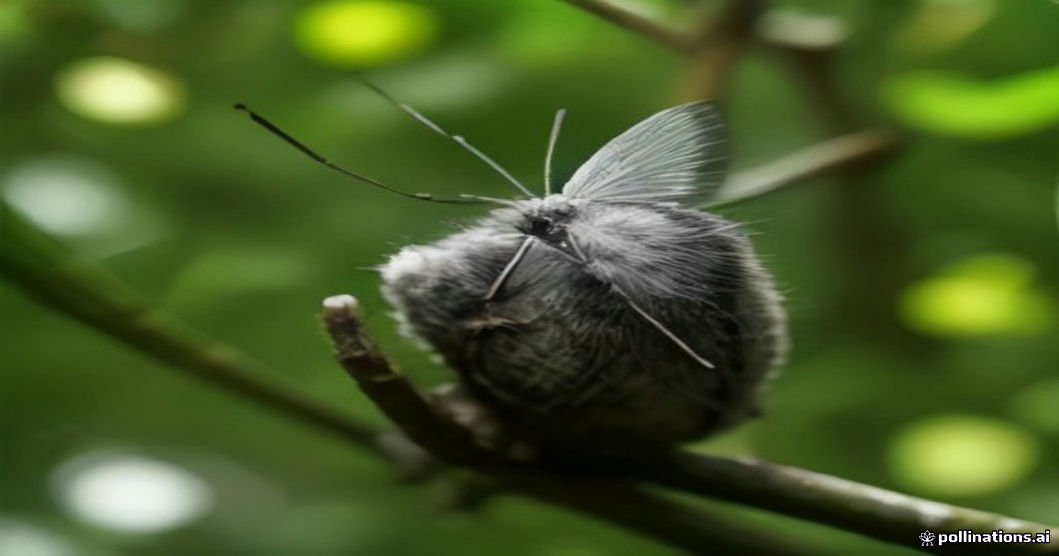
Introduction to the Silver Hook Moth
The Silver Hook Moth, scientifically known as Phalera bucephala, is a fascinating nocturnal beauty native to a wide range of habitats. With an impressive wingspan ranging from 50 to 60 millimeters, this species immediately captures the attention of entomologists and nature enthusiasts alike. Its distinctive thorax and the dense, velvety hair covering its first abdominal segment add to its robust and unique appearance.
The Ultimate Master of Camouflage
When at rest with its wings neatly folded, the Silver Hook Moth undergoes an incredible visual transformation. It bears an uncanny resemblance to a broken birch or oak twig, complete with silvery-white markings that mimic the appearance of wood grain and freshly snapped bark. This remarkable evolutionary adaptation serves as a primary defense mechanism, allowing the moth to remain entirely undetected by hungry predators during daylight hours.
The Voracious Appetites of Caterpillars
While the adult moths are harmless nocturnal flyers, their larvae—often referred to in forestry as gusseni—are famously voracious. These caterpillars are capable of consuming up to 100 percent of the foliage on a host tree, frequently leaving behind only the tough central veins of the leaves. Their preferred dining menu includes deciduous hardwoods such as oak, poplar, birch, beech, willow, alder, and hazel, though they also readily feed on various cultivated fruit trees and shrubs.
Geographic Distribution and Habitat
The Silver Hook Moth is remarkably resilient and adaptable. It can be found distributed extensively across the European continent, stretching as far north as the harsh environment of the Arctic Circle. Furthermore, its natural range extends far eastward into Siberia and the Far East, making it a truly resilient northern hemisphere species.
Written by Mohammed Murtaja
Editor-in-Chief & Executive Publisher of ZooPulse. Senior investigative journalist directing evidence-based research, veterinary science verification, and editorial governance.
Related Stories
 Uncategorized
Exploring Berezovskoye Gorge: A Pet Owner’s Guide to Wilderness Adventure in Russia
Introduction to Berezovskoye Gorge Nestled in the breathtaking landscapes of Russia, Berezovskoye Gorge offers an awe-inspiring escape for outdoor enthusiasts and their four-legged companions. Known for its dramatic cliffs, lush greenery, and winding rivers, this natural wonder is a paradise for adventurous dogs and active pet owners looking to explore off the beaten path. Preparing […]
 Uncategorized
Exploring the Austrian Alps with Your Dog: A Veterinary Guide to Alpine Adventures
Discovering the Majesty of the Alps with Your Pet Deep within the Austrian Alps, the Krimml Waterfalls roar with an ancient power, offering some of the most breathtaking scenery in Europe. For pet parents, traveling through these majestic landscapes with a canine companion is a dream come true. However, exploring high-altitude terrain requires careful planning […]
 Uncategorized
Veterinary Insights from the Tuscan Hills: Canine Care and Wellness in Rural Italy
Nestled in the heart of Italy, Tuscany is globally renowned for its rolling vineyards, historic architecture, and idyllic countryside. However, for pet owners and local veterinarians, the Tuscan landscape also presents unique environmental and health considerations for our canine companions. From managing seasonal parasites to navigating outdoor adventures in the Mediterranean climate, understanding local pet […]