Whale Fall: How the Death of an Ocean Giant Sustains Life for Decades
In the vast, open expanse of the world’s oceans, the life cycle of a cetacean is nothing short of majestic. However, as marine biologists and comparative veterinarians often note, one of the most vital ecological roles played by a great whale occurs after its biological death. When an ocean giant perishes offshore, its immense density […]
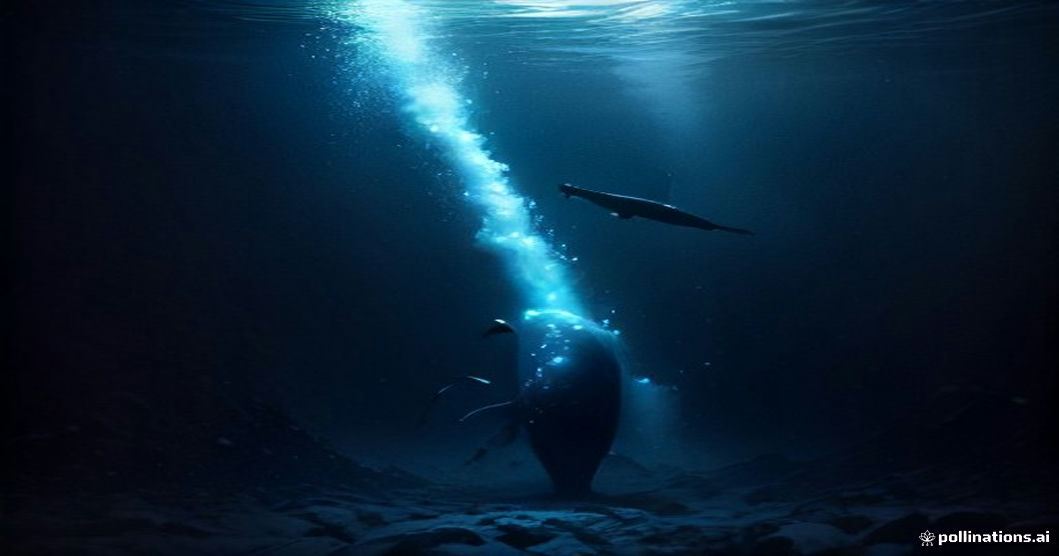
In the vast, open expanse of the world’s oceans, the life cycle of a cetacean is nothing short of majestic. However, as marine biologists and comparative veterinarians often note, one of the most vital ecological roles played by a great whale occurs after its biological death. When an ocean giant perishes offshore, its immense density causes it to slowly descend into the abyssal depths—a remarkable natural phenomenon known scientifically as a ‘whale fall.’
The Initial Descent: The Mobile Scavenger Phase
Upon settling on the ocean floor, often thousands of meters beneath the reach of sunlight, the carcass introduces a colossal concentration of organic nutrients into a typically barren, food-scarce environment. The arrival triggers the first ecological stage: the mobile scavenger phase. Sleek sleeper sharks, hagfish, deep-sea eels, and giant amphipods converge on the massive carcass. These opportunists rapidly strip away the blubber, muscle, and soft visceral tissues, consuming tens of kilograms of flesh daily. Despite the intense feeding frenzy, this phase can last up to two years depending on the size of the whale.
Colonization: The Opportunistic Phase
Once the bulk of the soft tissue has been consumed, the site transitions into the enrichment-opportunist stage. The surrounding sediment, now enriched with organic detritus, becomes a flourishing habitat for hundreds of specialized macro-invertebrates. Bristle worms, snails, tiny crustaceans, and specialized deep-water mollusks colonize the seabed and skeletal surface. These organisms systematically feed on nutrient-rich bone remnants and organic matter that settled into the surrounding sediment plume, persisting in this stage for several years.
The Bone-Eating Wonders: The Sulfophilic Phase
Even when reduced to bare skeletal remains, the whale continues to sustain complex life through the sulfophilic (sulfur-loving) stage. Cetacean bones are exceptionally dense and porous, containing high concentrations of lipids that can make up to 4 to 6 percent of the total carcass weight. Bizarre specialized organisms, such as bone-eating worms in the genus Osedax (often dubbed ‘zombie worms’), root directly into the marrow with the aid of symbiotic bacteria to break down fats.
Concurrently, anaerobic microbial breakdown of these skeletal lipids releases hydrogen sulfide, mimicking the conditions of hydrothermal vents. Chemosynthetic bacteria form dense mats across the bone surfaces, fueling a thriving, autotrophic food web that supports clams, mussels, and tube worms without requiring any sunlight whatsoever.
An Enduring Legacy of Biodiversity
A single whale fall can sustain an autonomous, vibrant ecosystem for well over fifty to one hundred years. In veterinary pathology and marine biology alike, the whale fall stands as a profound testament to the cyclical nature of marine ecosystems. What begins as the quiet mortality of an individual marine mammal culminates in decades of sustained vitality, carbon sequestration, and evolutionary adaptation in the darkest depths of our planet.
Written by Mohammed Murtaja
Editor-in-Chief & Executive Publisher of ZooPulse. Senior investigative journalist directing evidence-based research, veterinary science verification, and editorial governance.
Related Stories
 Nature
The Majestic Zebrasoma Desjardinii: Nature’s Reef Caretaker
Introduction to the Zebrasoma Desjardinii The Zebrasoma desjardinii, commonly known as the Red Sea Sailfin Tang, is one of the most stunning and beneficial additions to a marine saltwater aquarium. As a prominent member of the surgeonfish family, this magnificent creature combines striking aesthetics with a hardworking attitude towards tank maintenance. Natural Habitat and Algae […]
 Nature
Unveiling the Fascinating World of Ceriantharia: The Tube-Dwelling Anemone
Introduction to Ceriantharia In the vast and mysterious realm of marine life, few creatures possess the unique architectural and survival skills of Ceriantharia, commonly known as tube-dwelling anemones. Unlike their free-roaming or rock-anchored stony cousins, these captivating anthozoans spend the majority of their lives hidden safely beneath the substrate within a meticulously crafted cylindrical home. […]
 Nature
The Giant Siphonophore: Unlocking the Mysteries of the Ocean’s Longest Living Wonder
The oceanic depths harbor some of the most extraordinary biological phenomena on Earth, challenging our fundamental definitions of individuality, anatomy, and survival. Among these deep-sea wonders is the giant siphonophore (genus Apolemia), an ethereal creature whose breathtaking scale and communal physiology have captured the imagination of marine biologists, comparative anatomists, and naturalists worldwide. A Symphony […]