When the Sea Recedes: How Abandoned Coastal Settlements Become Havens for Wildlife
The Resilience of Nature in Forgotten Places When humanity steps back, nature invariably steps forward. There is perhaps no more striking illustration of this phenomenon than an abandoned fishing village, where weathered wooden shacks and rusted piers are slowly reclaimed by the surrounding wilderness. As human activity ceases, the local ecosystem undergoes a profound transformation, […]
The Resilience of Nature in Forgotten Places
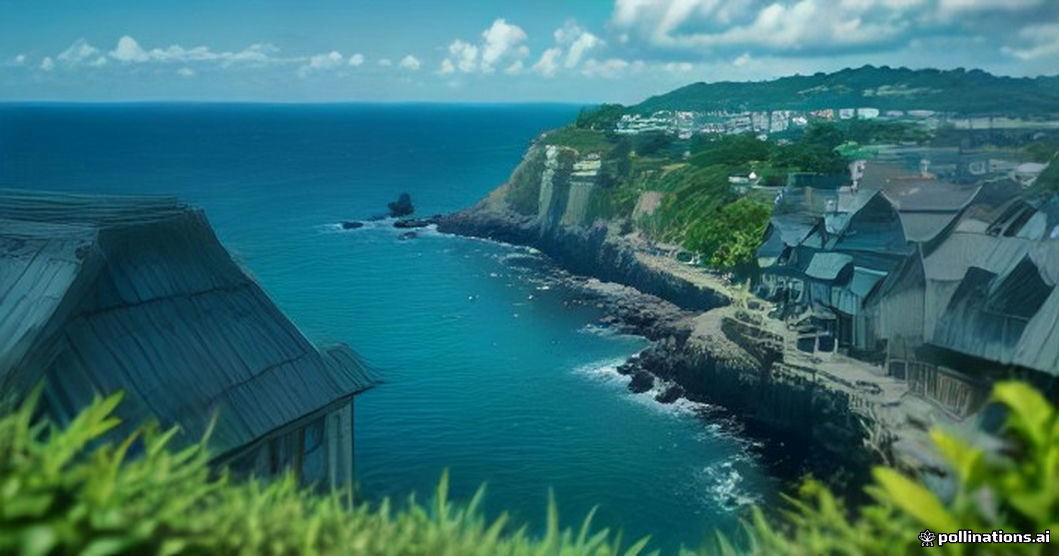
When humanity steps back, nature invariably steps forward. There is perhaps no more striking illustration of this phenomenon than an abandoned fishing village, where weathered wooden shacks and rusted piers are slowly reclaimed by the surrounding wilderness. As human activity ceases, the local ecosystem undergoes a profound transformation, turning forgotten outposts into thriving sanctuaries for coastal wildlife and resilient animal species.
A Safe Haven for Coastal Fauna
In these deserted coastal landscapes, the absence of human disturbance allows both terrestrial and marine animals to flourish. Seabirds reclaim crumbling rooftops as nesting sites, while seals and sea otters utilize abandoned docks as safe resting areas away from predators and tourist boats. Without the pressures of overfishing and habitat disruption, the local marine and avian populations experience a remarkable ecological recovery, showcasing the incredible adaptability of animals in the wild.
Veterinary Insights on Wild Animal Health and Adaptation
From a veterinary and wildlife conservation perspective, these reclaimed areas offer fascinating insights into natural animal health. Free from human-induced stressors and chemical pollutants, wildlife populations often demonstrate improved immune function and natural longevity. However, wildlife experts also monitor these sites for potential disease reservoirs and environmental hazards left behind by human habitation, such as discarded fishing nets and lingering debris that could pose physical threats to curious creatures.
Lessons in Coexistence
Ultimately, the sight of an abandoned fishing village serves as a powerful reminder of nature’s relentless drive and the importance of ecological balance. It teaches us valuable lessons about conservation, demonstrating that when we give space back to the earth, biodiversity rebounds in the most breathtaking ways. These forgotten corners of the world stand as a testament to the enduring strength of animal life and the vital necessity of protecting our shared natural habitats.
Written by Mohammed Murtaja
Editor-in-Chief & Executive Publisher of ZooPulse. Senior investigative journalist directing evidence-based research, veterinary science verification, and editorial governance.
Related Stories
 Uncategorized
Majestic Spiral-Horned Antelope: Exploring the Fascinating World of the Nyala
Introduction to the Nyala As a veterinarian and wildlife enthusiast, encountering the magnificent Nyala (scientifically known as Tragelaphus angasii) is always a breathtaking experience. Often mistakenly associated directly with the Greater Kudu due to their similar spiral-horned elegance, the Nyala is a distinct species of spiral-horned antelope native to the dense bushveld and woodlands of […]
 Uncategorized
Mastering the Art of Canine Cleanliness: Insights from a Professional Grooming Lesson
As a veterinarian and pet care advocate, I always emphasize that grooming is much more than just keeping our furry companions looking their best—it is an essential pillar of their overall health and well-being. Recently, I attended an intensive hands-on washing and bathing lesson led by master groomers, and the experience reinforced just how nuanced […]
 Uncategorized
The Majestic Zebrasoma Desjardinii: Nature’s Reef Caretaker
Introduction to the Zebrasoma Desjardinii The Zebrasoma desjardinii, commonly known as the Red Sea Sailfin Tang, is one of the most stunning and beneficial additions to a marine saltwater aquarium. As a prominent member of the surgeonfish family, this magnificent creature combines striking aesthetics with a hardworking attitude towards tank maintenance. Natural Habitat and Algae […]