
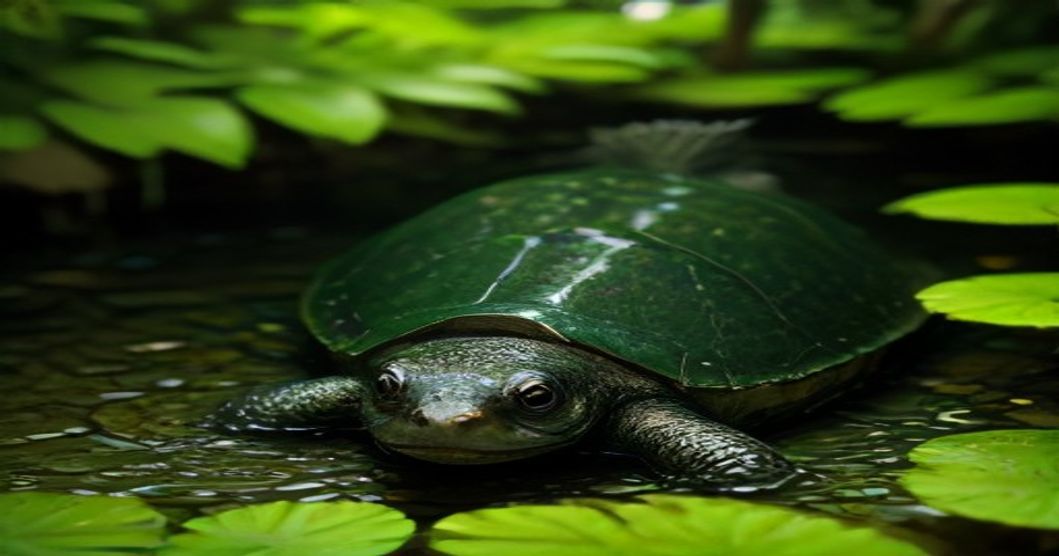
The Common Snapping Turtle (Chelydra serpentina) is one of North America’s most iconic and resilient freshwater reptiles. Recognized for its prehistoric appearance and powerful jaw mechanism, this species commands respect from wildlife enthusiasts, veterinarians, and herpetologists alike. While often misunderstood due to its defensive temperament on land, the snapping turtle plays a vital role as both a scavenger and predator in maintaining aquatic ecosystems.
Anatomical Profile and Defensive Mechanisms
Adult snapping turtles are impressive in scale, typically reaching a carapace length of up to 35 cm and weighing between 4 and 14 kg, with exceptional wild specimens occasionally reaching weights up to 30 kg. Their defensive reputation stems directly from their unique physical structure. Unlike many terrestrial and freshwater turtles, snapping turtles possess a reduced plastron (under-shell) that leaves their limbs and soft tissue exposed. To compensate for this lack of full structural protection when out of the water, they defend themselves by extending their long, muscular necks and striking with powerful, beak-like jaws.
Extraordinary Cold Tolerance and Winter Brumation
One of the most fascinating physiological adaptations of Chelydra serpentina is its remarkable resilience to frigid environments. In northern regions, snapping turtles enter a state of winter dormancy (brumation) that can last from October through May. During this time, they submerge themselves in the hypoxic mud at the bottom of ponds, lakes, and streams.
Despite the severe cold, their metabolic rate slows drastically, allowing them to absorb small amounts of oxygen through their skin and mucosal membranes. Incredibly cold-hardy, these turtles are sometimes observed slowly swimming beneath solid ice or moving across frozen surfaces during brief winter periods, demonstrating an exceptional physiological capacity to endure low temperatures.
Veterinary and Conservation Considerations
When interacting with snapping turtles, caution and proper handling techniques are essential. Due to the extreme reach of their long neck and potential for severe bites, handling should be avoided unless necessary for wildlife rescue or clinical examination. Understanding their specialized metabolic and anatomical traits is essential for veterinarians treating native reptiles. Protecting their aquatic habitats ensures these resilient creatures continue to thrive and balance our freshwater ecosystems.