
Introduction to the Desert Partridge
Surviving in harsh, sun-baked environments requires extraordinary evolutionary adaptations, and few species demonstrate this better than the Desert Partridge (Ammoperdix griseogularis). Native to the dry, rocky foothill slopes across Central and South Asia, this resilient bird is a true specialist of arid terrains. From their specialized diet to their astonishing physical features, these birds offer a fascinating glimpse into avian survival strategies.
The Art of Disappearing: Unmatched Camouflage
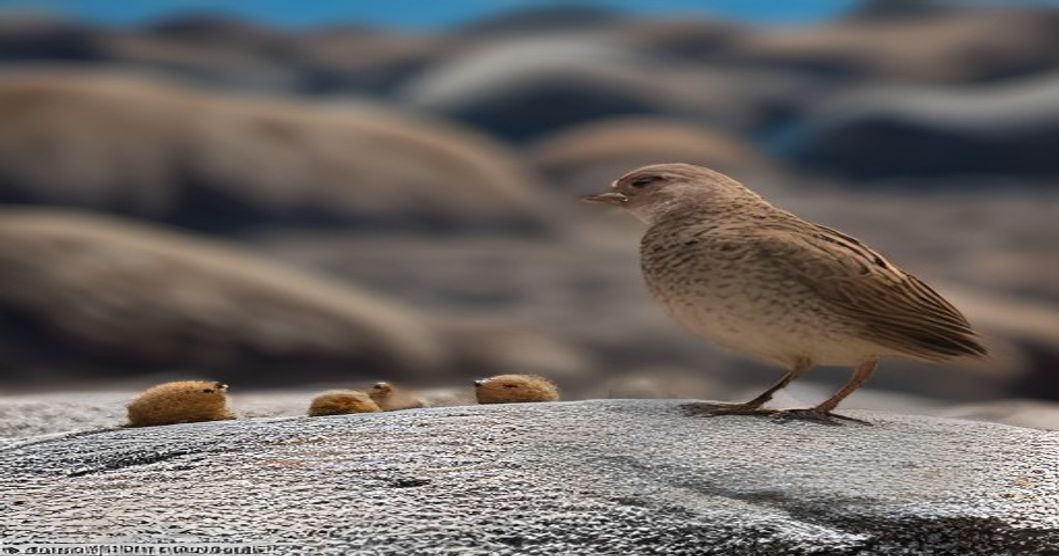
One of the most striking characteristics of the Desert Partridge is its remarkable natural camouflage. Their earthy, muted plumage blends seamlessly into dusty stones, sand, and sun-bleached rocks. When accompanied by their small, vulnerable chicks, this ability becomes their primary defense against predators. By remaining entirely motionless when threat approaches, a family of Desert Partridges effectively disappears into the surrounding landscape, rendering themselves nearly invisible to the naked eye.
Diet and Extreme Hydration Adaptation
Living in arid regions means that fresh surface water is often scarce or non-existent. The Desert Partridge’s diet consists primarily of seeds, grains, and other plant material gathered while foraging across rocky ground. Remarkably, these birds can survive for extended periods without drinking open water. They possess the unique ability to extract much of their necessary hydration directly from the moisture contained within the desert vegetation and seeds they consume.
Preserving Desert Ecosystems
Observing birds like the Desert Partridge highlights the delicate balance of desert wildlife. Their resilience, stealth, and physiological adaptations allow them to thrive where many other species would perish. Protecting their natural rocky habitats ensures that future generations can continue to appreciate these incredible masters of camouflage and survival.