
Introduction to the Phantom of the Insect World
As a veterinary professional and exotic pet care specialist, I am frequently captivated by the sheer diversity and remarkable adaptations of invertebrate species. Among the most fascinating of these is the Giant Stick Insect, scientifically known as Phasma gigas. Native to the lush regions of Australia, New Guinea, and Indonesia, these extraordinary creatures are renowned for their uncanny resemblance to the flora they inhabit.
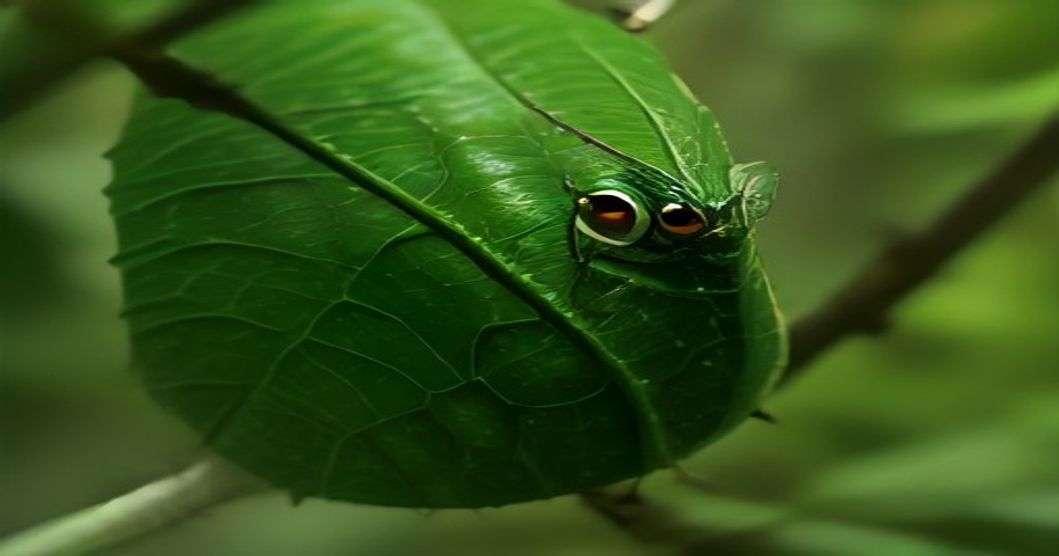
The taxonomic order name, Phasmatodea, originates from the Latin word “phasma,” which translates to “phantom” or “apparition.” This is a fitting moniker, as these insects are absolute masters of camouflage, effortlessly mimicking twigs, branches, and leaves to evade natural predators in the wild.
Extraordinary Biology and Size
Beyond their stealthy appearance, stick insects hold impressive biological records. Did you know that stick insects are among the longest insects in the world? In fact, certain species can reach staggering lengths of up to 33 cm (13 in), making them a truly majestic and imposing presence in any educational or hobbyist collection.
Nutritional Needs and Dietary Care in Captivity
Proper nutrition is paramount to the health and longevity of any exotic pet, and stick insects are no exception. All known stick insects are strictly herbivorous, though their dietary preferences can vary significantly. While some species possess a diverse palate, others can be notoriously picky eaters.
When maintaining these fascinating phantoms in captivity, providing the correct foliage is vital for their well-being. Many popular species thrive on plants belonging to the rose family (Rosaceae). Safe and nutritious options include:
- Raspberry leaves
- Blackberry leaves
- Strawberry foliage
- Oak branches
Additionally, some species readily accept alternative botanicals such as lilac, St. John’s wort, and eucalyptus. For keepers utilizing household or potted greenery, safe options can include tradescantia, Chinese rose, ivy, and violets. Always ensure that any foliage introduced to the enclosure is entirely free from pesticides, insecticides, and chemical fertilizers to protect your pets from toxicity.
Conclusion
Caring for the Giant Stick Insect offers a unique window into the wonders of evolutionary adaptation. By understanding their native habitats, respecting their need for specialized plant-based nutrition, and providing a secure enclosure, pet owners can enjoy the rewarding experience of housing one of nature’s most ingenious phantoms.