
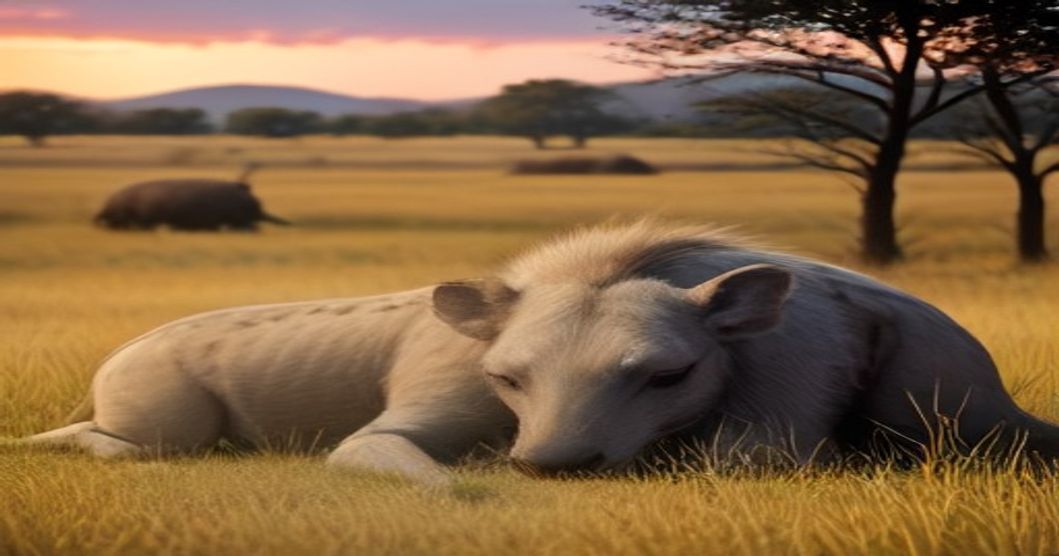
An Unlikely Wildlife Partnership
In the vast savannas of Africa, wild species frequently rely on intricate behavioral adaptations and interspecies cooperation to survive and thrive. One of the most compelling examples of mutualistic symbiosis in the animal kingdom occurs between the warthog (Phacochoerus africanus) and the banded mongoose (Mungos mungo). What might look like a casual interaction is actually a highly specialized, mutually beneficial health routine.
Parasite Control and Ecological Healthcare
In both domestic veterinary medicine and wildlife management, ectoparasite control is critical for maintaining overall health. Ticks, lice, and biting flies not only cause local skin irritation and severe itching, but they can also transmit dangerous blood-borne pathogens, cause anemia, and lead to secondary bacterial dermatological infections.
In wild ecosystems, animals must find natural solutions to mitigate these health risks. Warthogs actively seek out mongoose colonies, lying down in a relaxed, vulnerable posture to invite the small carnivores to inspect their hide. The agile mongooses eagerly climb over the warthog, plucking away engorged ticks and external parasites. This grants the warthog a comprehensive grooming session that keeps parasite populations in check, while providing the mongooses with an easily accessible, protein-rich meal.
Biomechanical Adaptations: The ‘Knuckling’ Technique
In addition to their unique grooming alliances, warthogs exhibit fascinating biomechanical adaptations to support their foraging habits. One noteworthy behavior is their specific walking and feeding stance known as ‘knuckling’ or kneeling.
Warthogs possess specialized carpal (wrist) joint pads made of tough, calloused tissue. When grazing on short grasses or digging for underground roots and tubers, warthogs bend their forelimbs and rest on these padded joints. This anatomical posture protects their hooves from premature wear and split injuries, keeps their hooves sharp for excavation, and lowers their center of gravity to reduce strain on their neck and back muscles during extended periods of feeding.
The Broader Impact of Interspecies Relationships
The partnership between warthogs and mongooses illustrates how innate social behaviors and ecological partnerships act as nature’s preventive medicine. By working together, these species manage disease vectors, secure essential nutrition, and optimize their physical health in the wild.