
The Allure of Untouched Coastal Trails
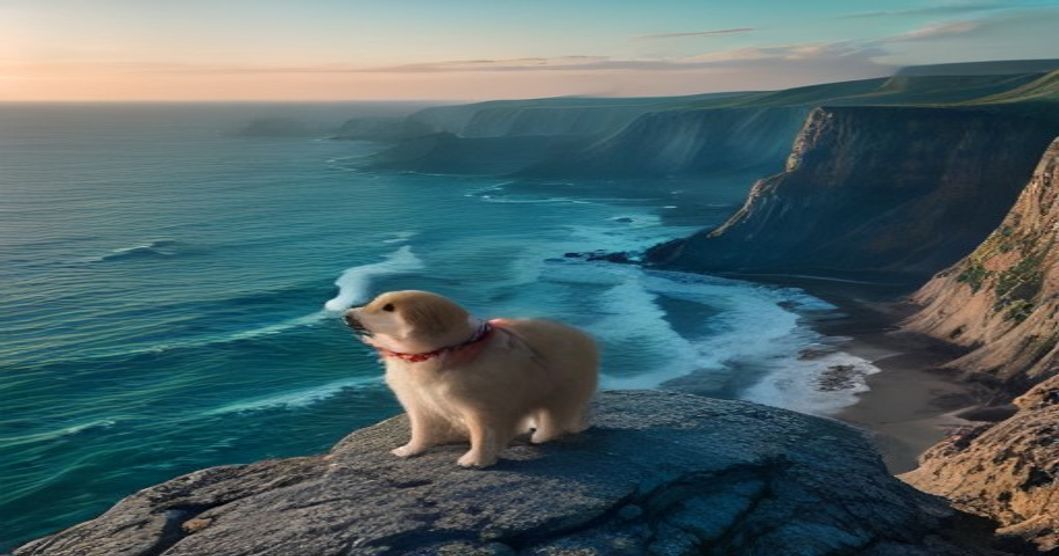
From the towering rock formations of Sintra’s Praia da Ursa to wild, windswept bluffs across the globe, remote coastal environments offer unparalleled excitement for adventurous dog owners. These dramatic landscapes, where steep cliffs crash into the surging Atlantic, provide incredible stimulation and physical exercise for active canine companions. However, the raw beauty of unserviced beaches and rugged terrain also introduces specific veterinary risks that require careful preparation before setting out on the trail.
Navigating Steep Slopes and Harsh Geological Hazards
Accessing isolated beaches often demands descending steep, unmaintained trails filled with loose gravel and sharp volcanic or granite rock. For a dog, this terrain presents a high risk of paw pad lacerations, joint sprains, and dangerous slips. As a veterinarian, I always recommend inspecting your dog’s paws before and after a hike. Equipping your dog with a high-quality, supportive harness that includes a sturdy top handle allows you to assist them on treacherous scrambles and keep them secure near shear drops.
Surfing the Hazards: Saltwater and Ocean Currents
Once you reach the shoreline, the powerful surf and sweeping tide create fresh challenges. Powerful shorebreaks and hidden undertows can easily overpower even strong swimming breeds. Keep your dog on a long leash if the sea is rough or if there are high cliffs nearby. Furthermore, playing in heavy surf often leads to accidental saltwater ingestion. Saltwater poisoning, or hypernatremia, can cause severe gastrointestinal distress, neurological symptoms, and dehydration. Always carry plenty of fresh, potable water and a collapsible bowl, offering frequent drink breaks to prevent your dog from lapping at ocean waves.
Preparing for Remote, Unserviced Locations
Wild, untouched destinations mean there are no facilities, fresh water sources, or immediate veterinary clinics nearby. Packing a canine-specific first-aid kit is non-negotiable. Your kit should include self-adhesive bandages, antiseptic wipes, saline eye flush, vet-approved styptic powder, and protective canine booties in case of a paw injury. By taking these safety measures, you can confidently explore nature’s most dramatic horizons alongside your four-legged best friend, ensuring every wild journey ends in a safe return home.