
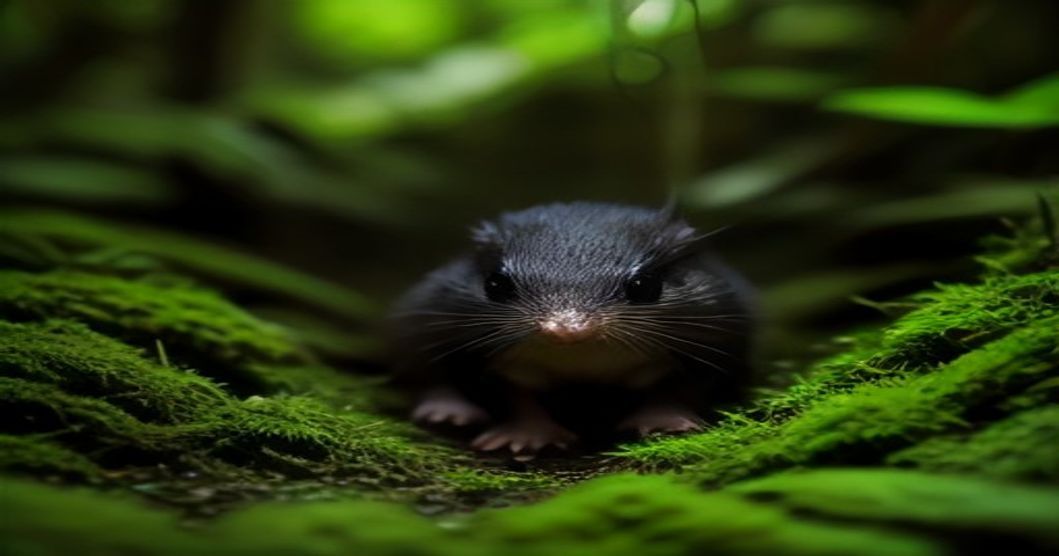
When exploring the fascinating diversity of small mammals, few creatures are as remarkable—or as frequently misunderstood—as the shrew. Belonging to the genus Sorex and classified as insectivores rather than rodents, these diminutive animals are often mistaken for mice. However, a closer look reveals a world of biological wonder, extreme metabolisms, and unique evolutionary adaptations that set them apart in the animal kingdom.
The Incredible Shrew Caravan: Unique Mothering Behaviors
One of the most captivating behaviors observed in shrews is how they transport their young. As baby shrews grow, they form a fascinating train-like procession known as a “caravan.” The lead young bites securely onto the base of their mother’s tail, while each subsequent sibling bites onto the tail of the one in front of it. This remarkable behavioral adaptation ensures that the family stays together safely while on the move, protected from potential predators in their dense habitats.
Extraordinary Biology: Venom, Echolocation, and High Metabolism
Beyond their charming family travels, shrews possess some truly extraordinary physiological traits. Certain shrew species are among the rare venomous mammals on Earth, using specialized saliva to immobilize prey. Others utilize echolocation to navigate and hunt in pitch-black underground environments. With an estimated global population of around 100 billion individuals, shrews stand as one of the most successful and resilient mammal families on the planet.
A Race Against Time: The High-Octane Shrew Metabolism
Perhaps the most defining characteristic of the shrew is its blistering metabolic rate. Shrews are tiny engines of energy, requiring a daily food intake that exceeds their own body weight by 1.5 to 2 times, and sometimes even more. To sustain this constant caloric burn, shrews must feed almost continuously, snatching only very brief moments of sleep between foraging bouts.
Because of this hyperactive metabolism, the margin for survival is razor-thin. A shrew left without food can perish remarkably quickly. Smaller species can starve to death in a mere 7 to 9 hours, while the minuscule lesser shrew can succumb in just 5.5 hours. Understanding these delicate yet fierce creatures highlights the incredible diversity of animal life and the specialized care required when studying or encountering Earth’s smallest mammalian powerhouses.