
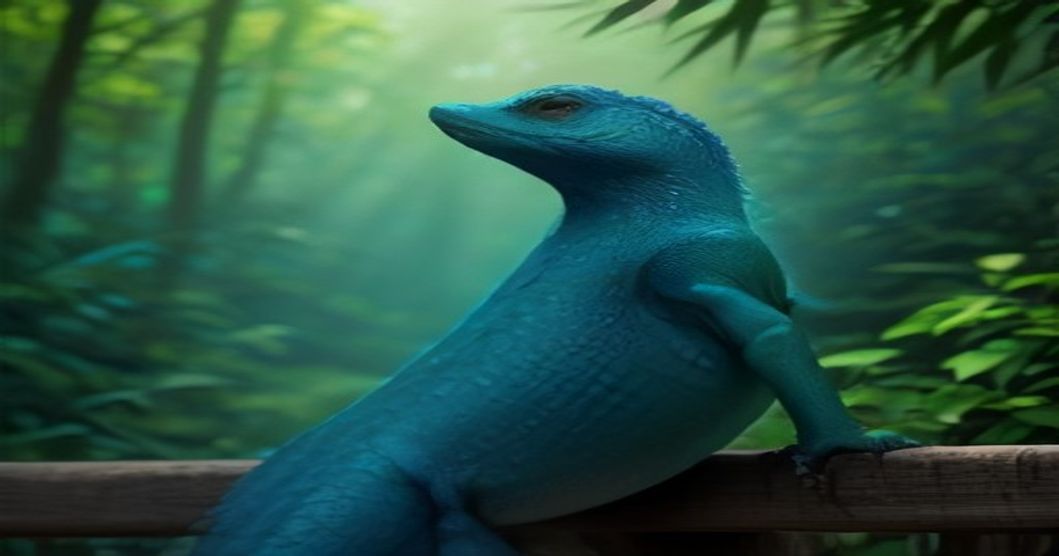
Meet the Eastern Fence Lizard
The Eastern Fence Lizard (Sceloporus undulatus) is a fascinating reptile native to the eastern and central regions of the United States. Thriving in diverse habitats ranging from rocky deserts to heavily forested slopes, these resilient little creatures have captured the curiosity of pet enthusiasts, herpetologists, and nature lovers alike. Reaching a modest adult length of 10 to 19 centimeters, they are perfectly sized for navigating the bark of trees and the crevices of stone walls.
The Mystery Behind the Name
Have you ever wondered why they are called “fence” lizards? Despite their common moniker, science isn’t entirely sure how the name originated! While they certainly do enjoy basking on wooden fences, stone walls, and fallen logs to soak up the morning sun, their adaptable nature means they are just as likely to be found scampering up the nearest pine tree or exploring a rocky outcropping.
A Spectacular Summer Transformation
While females and non-breeding individuals generally sport a modest, protective brown coloration for excellent camouflage, the males undergo a breathtaking transformation during the summer months. To attract potential mates, the bellies of male Eastern Fence Lizards turn vibrant and iridescent, rivaling the dazzling display of a peacock’s tail feather. During the peak of the mating season, these males proudly show off their colorful bellies, boasting stunning blue-green stripes and striking spots along their sides.
Courtship and Territorial Displays
This magnificent coloration isn’t just for show—it is a vital tool for courtship and territorial dominance. When two rival males meet, they engage in a fascinating ritual. Standing tall on stretched-out legs, they slowly sidle up to one another in a lateral display of strength and color. This standoff continues until the weaker male, dazzled and intimidated by his opponent’s glowing blue belly, decides to flee the territory. For reptile enthusiasts and veterinarians studying animal behavior, observing these natural displays highlights the incredible complexity of reptilian communication and social structures.