
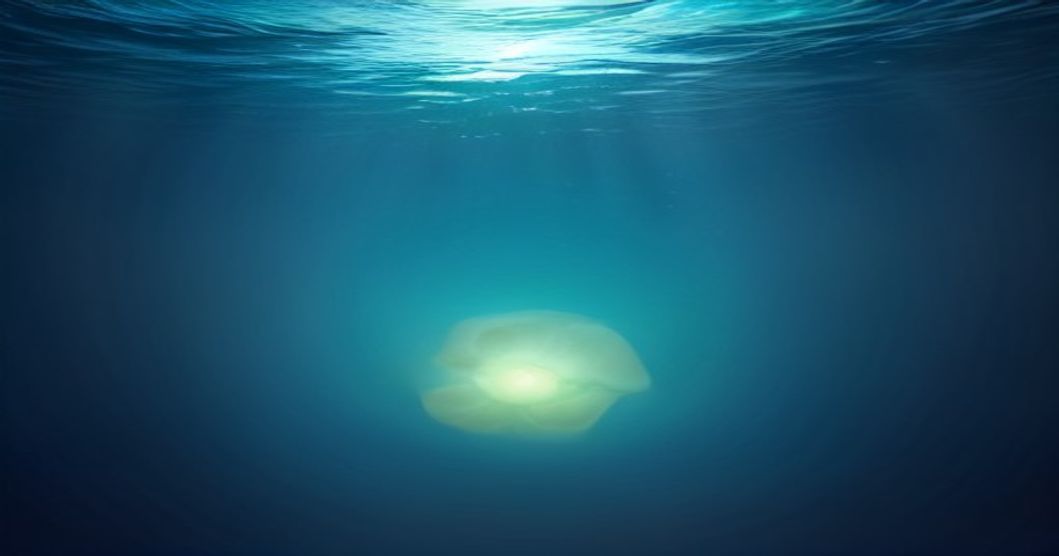
The ocean harbors some of the world’s most mesmerizing fauna, but beneath the tranquil waves lurks one of the most lethal creatures known to science: Cubozoa, commonly referred to as the box jellyfish. Known for their distinct cube-shaped medusae, these marine invertebrates possess a venomous capability that places them among the most dangerous venomous animals on Earth.
The Mechanism of the Sting
The danger of Cubozoa lies in their complex tentacles, which can extend up to three meters in length. These tentacles are lined with thousands of specialized stinging cells called nematocysts. Triggered by pressure and chemical cues, these microscopic harpoons penetrate the skin instantly, injecting a potent cocktail of cardiotoxins, neurotoxins, and dermatonecrotic agents. The resulting sting causes excruciating physical pain, severe cutaneous tissue damage, and in severe cases, swift cardiac arrest and death within minutes.
Global Distribution and Expanding Habitats
Historically, the highest concentration of lethal species, such as Chironex fleckeri, has been documented in the warm coastal waters of the Indo-Pacific region, including northern Australia, Japan, and the Philippines. However, marine biologists and health authorities have noted an expanding range. Since the 1980s, sightings and incidents involving Cubozoa species have been increasingly reported in the Mediterranean Sea, likely driven by shifting climate patterns, warmer sea temperatures, and maritime ballast water transfer.
Prevention and Emergency Response
Preventing encounters with box jellyfish requires heightened coastal awareness. Swimmers, divers, and beachgoers should refrain from entering the water at night, as Cubozoa are actively hunting near the surface during evening hours. Wearing protective stinger suits or full-body lycra can provide a physical barrier against nematocyst discharge.
In the event of a sting, immediate medical action is paramount. The affected area should be flushed generously with vinegar (acetic acid) for at least 30 seconds to deactivate un-fired nematocysts, followed by the immediate summoning of emergency medical service teams. Prompt hospital care and antivenom administration are often the only defenses against fatal complications.