
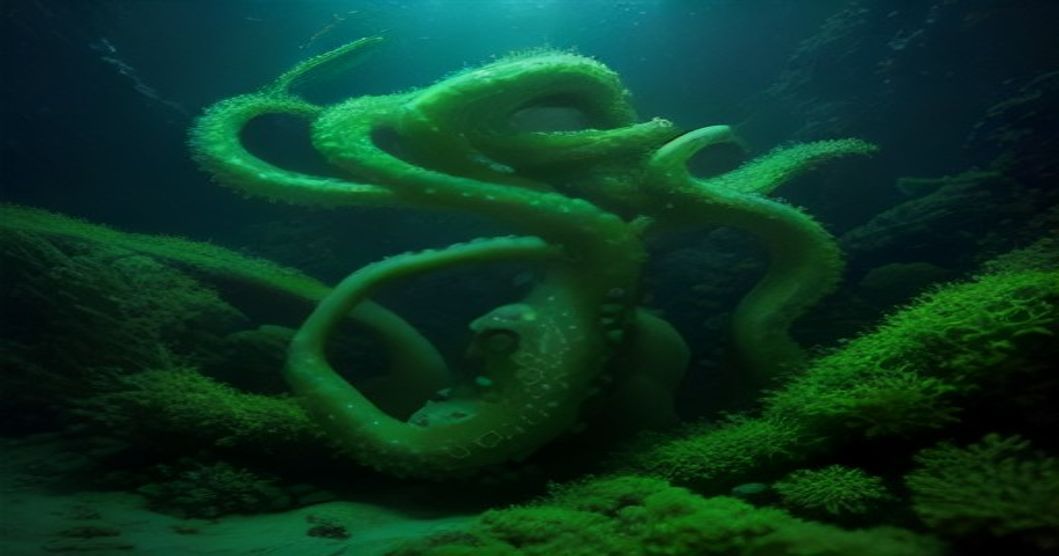
Discovering the Tentacled Snake
In the fascinating world of aquatic reptiles, few species capture the imagination quite like the Tentacled Snake (Erpeton tentaculatum). Native to the slow-moving freshwaters of Indochina, this remarkable semi-aquatic predator possesses a truly unique anatomical feature that sets it apart from all other serpents: a distinctive pair of fleshy tentacles adorning its snout.
Sensory Adaptations and Hunting Behavior
Measuring between 70 to 90 centimeters in length, these small muscular growths act as sophisticated sensory detectors. When feeling threatened, the Tentacled Snake instinctively retracts its tentacles for protection. However, when it is time to hunt, it extends them forward like biological antennae to meticulously scan the murky waters for unsuspecting fish and aquatic prey. This specialized adaptation allows it to thrive in low-visibility environments.
An Aquatic Life and Natural Camouflage
True to its aquatic nature, this fascinating species spends its entire life submerged, rarely venturing onto land. To aid in its survival, the snake’s body is frequently blanketed in a layer of natural algae. This clever biological camouflage allows the Tentacled Snake to blend seamlessly into its freshwater habitat, transforming it into an invisible, patient ambush predator waiting for its next meal.