
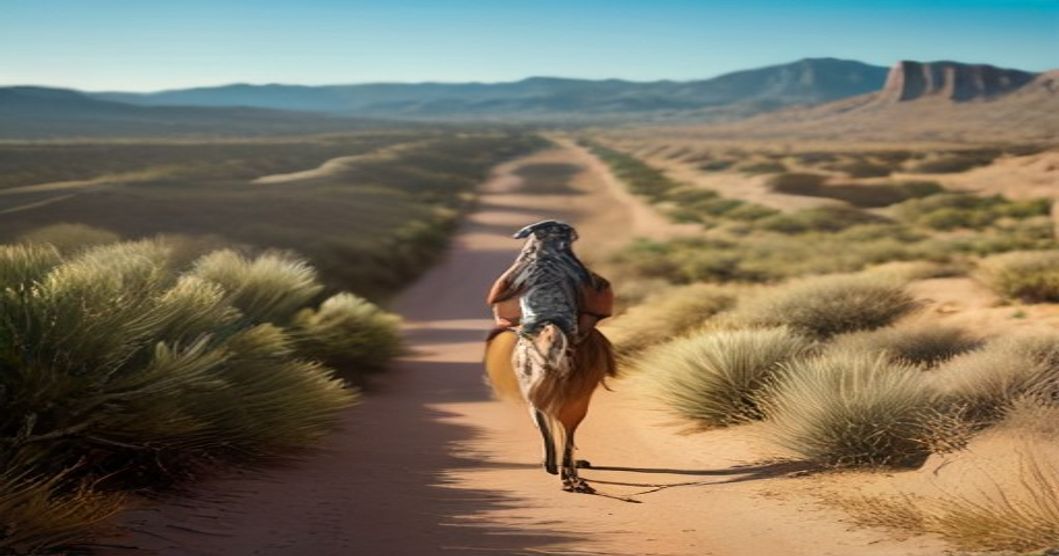
An Icon of Pop Culture and Desert Wildlife
The Greater Roadrunner (Geococcyx californianus) is one of the most recognizable birds of the North American deserts. Immortalized as the lightning-fast star of the classic Looney Tunes cartoon “Wile E. Coyote and the Road Runner,” this fascinating bird possesses real-world capabilities that are just as impressive as its animated counterpart. Belonging to the cuckoo family, the Greater Roadrunner has adapted to a terrestrial lifestyle where running takes precedence over flying.
Speed, Strategy, and Predatory Instincts
While capable of brief flights, the Greater Roadrunner spends the vast majority of its life on foot. It can reach sprinting speeds of up to 20 to 26 miles per hour (32 to 42 km/h). This remarkable speed is not just for escaping predators, but also for active hunting. The bird’s diet includes insects, lizards, rodents, and even venomous rattlesnakes. When catching larger or dangerous prey, the roadrunner employs a striking technique: it grabs the animal in its strong beak and repeatedly slams it against the ground or rocks to immobilize it before swallowing it whole.
How the Roadrunner Got Its Name
The common name “Roadrunner” originates from the era of horse-drawn mail coaches and stagecoaches traveling through the American West. Observers noted that these opportunistic birds frequently ran along dirt roads alongside or behind carriages. They did this to catch small animals, reptiles, and insects that were startled, injured, or crushed by the passing wheels and hooves, showcasing their clever adaptability to human activity.
Breaking the Cuckoo Stereotype: Exemplary Parenting
Many species in the cuckoo family are notorious for brood parasitism—the practice of laying eggs in the nests of other bird species and leaving them to raise the offspring. The Greater Roadrunner, however, is a notable exception. These birds form monogamous pairs that build their own stick nests in cacti, bushes, or low trees. Both male and female roadrunners share parental responsibilities equally, taking turns incubating the eggs and actively feeding and protecting their chicks until they are ready to navigate the arid terrain on their own.