
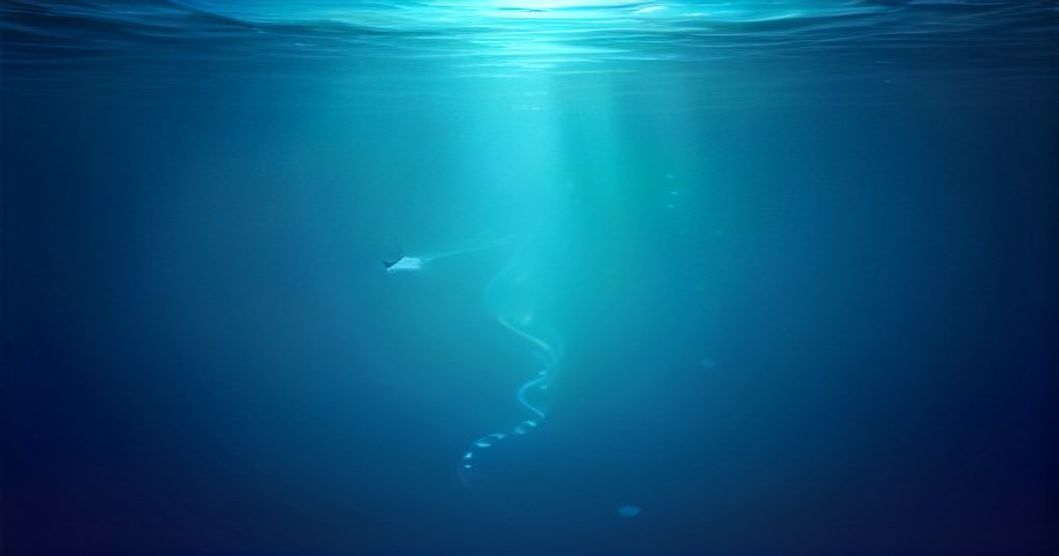
Introduction to an Ocean Wonder
Deep within the world’s oceans, particularly in warm tropical waters, resides one of the most intriguing phenomena in marine biology: Siphonophora. While it appears to be a single, majestic marine creature drifting through the current, a siphonophore is actually a complex colonial organism made up of thousands of individual specialized units called zooids. With approximately 160 recognized species, these fascinating marine invertebrates blur the line between a singular organism and an interconnected community.
The Biology of Colonial Zooids
Unlike standard multicellular animals, a siphonophore operates as a cooperative superorganism. Each zooid within the colony is genetically identical but specialized to perform a specific physiological function necessary for the colony’s survival. Some zooids are dedicated entirely to swimming and propulsion, while others focus on prey capture, digestion, or reproduction. These individuals are so specialized and interdependent that none can survive on its own, working in total harmony to sustain the entire structure.
Record-Breaking Lengths and Navigation
These underwater colonies can reach extraordinary dimensions. In 2020, researchers exploring an Australian deep-sea canyon discovered a record-breaking siphonophore estimated to be 48 meters (nearly 160 feet) in length, making it potentially the longest creature ever recorded on Earth. To navigate varying depths, siphonophores rely on a unique float organ called a pneumatophore. By contracting gas to dive deeper or expanding it to rise toward the surface, the colony precisely regulates its buoyancy in the vast oceanic water column.
Toxicity and Coastal Awareness
While most siphonophores drift harmlessly in the deep sea, certain surface-dwelling species require caution. The most well-known representative, the Portuguese man-of-war, possesses powerful venomous tentacles capable of delivering painful, and occasionally deadly, stings to humans and animals alike. Understanding the ecology of these majestic colonial creatures allows us to appreciate the incredible diversity of marine life while promoting safety along our ocean shores.