
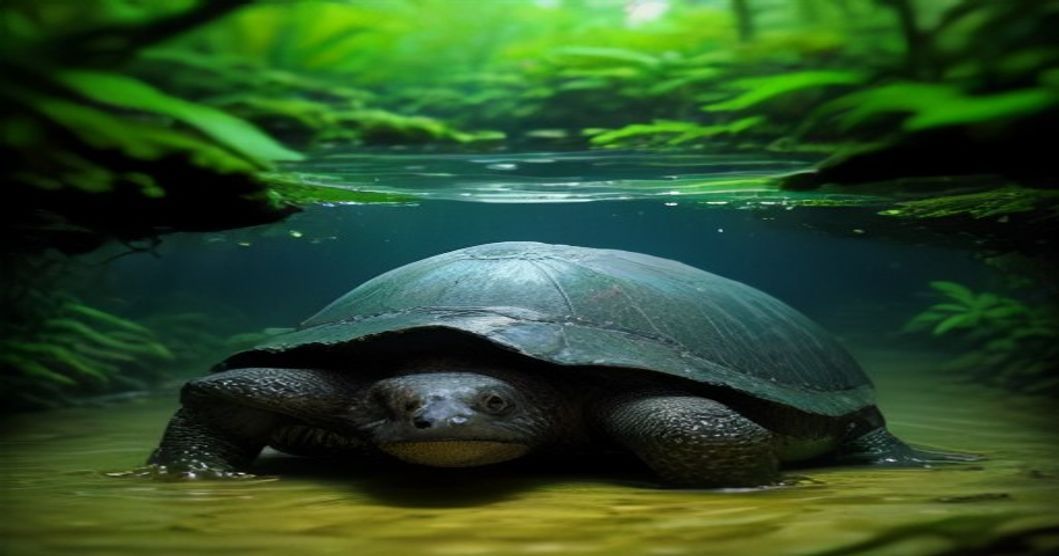
Introduction to the Chelydra serpentina
Meet the Snapping Turtle! Scientifically known as Chelydra serpentina, this fascinating reptile earns its notorious name from its notoriously defensive and aggressive behavior when cornered or caught out of its natural aquatic habitat. As a veterinarian and pet care expert, I always remind reptile enthusiasts that while these creatures are undeniably captivating, they demand immense respect and specialized handling.
Physical Characteristics and Impressive Size
The Common Snapping Turtle is a remarkably large and powerful freshwater creature. Typically, these turtles can grow up to 35 centimeters in carapace length and routinely weigh up to 14 kilograms. However, exceptional specimens have been documented reaching a staggering 30 kilograms! Their robust build, combined with powerful jaws and a remarkably long, flexible neck, makes them formidable predators in their ecosystems.
Defensive Mechanisms and Behavior
When threatened, the Snapping Turtle does not shy away from confrontation. Instead, it relies on a fierce and rapid defense strategy. By stretching out its surprisingly long neck, it can deliver a powerful bite with surgical precision. This evolutionary adaptation is crucial for their survival, as they spend a significant portion of their lives patrolling the muddy bottoms of lakes, rivers, and ponds in search of prey.
Winter Survival and Cold Resistance
As ectothermic animals, Snapping Turtles have fascinating adaptations for the colder months. In winter, they enter a state of brumation, hibernating deep in the mud at the bottom of water bodies to escape freezing temperatures. In northern regions, this hibernation period can stretch impressively from October all the way to May. Interestingly, these turtles exhibit an astonishing resistance to the cold. It is not entirely uncommon to witness them actively moving sluggishly under thick layers of ice or even walking across frozen surfaces during winter thaws.
Conclusion
The Snapping Turtle is truly a marvel of evolutionary engineering. Whether they are navigating the muddy depths or enduring harsh northern winters beneath the ice, Chelydra serpentina plays a vital role in maintaining the health of aquatic ecosystems. Understanding their complex behaviors helps us appreciate and protect these resilient ancient reptiles.