
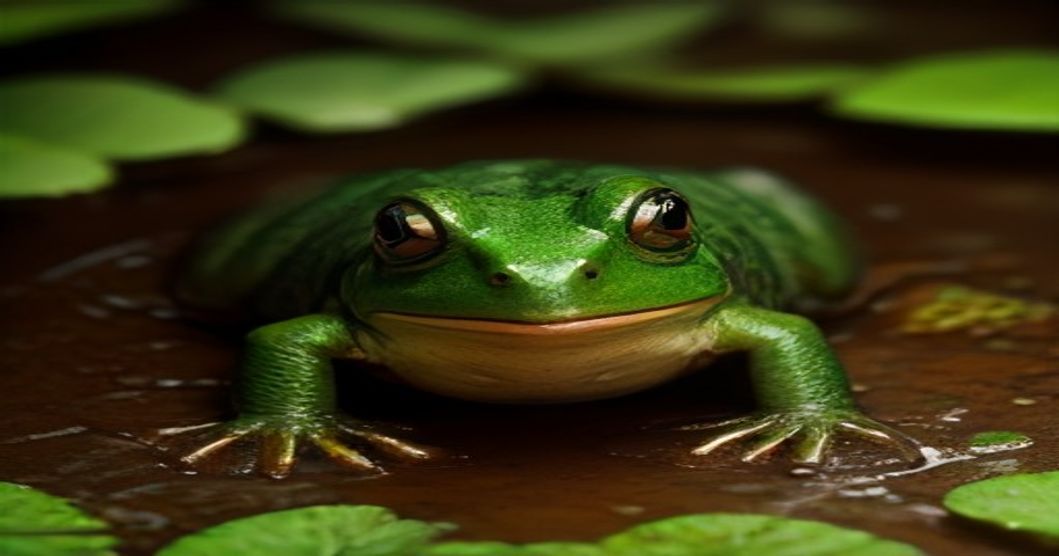
Introduction to the African Bullfrog
When we think of dedicated animal parents, amphibians rarely top the list. However, the African bullfrog (Pyxicephalus adspersus) challenges this notion with one of the most fascinating and complex parenting behaviors in the animal kingdom. As a veterinarian and pet care expert, exploring the natural history of these remarkable creatures offers profound insights into their unique behavioral adaptations.
The Devoted Dad in Action
After mating, the male African bullfrog takes on the primary caregiver role. True to his reputation as a devoted dad, he fiercely guards his developing tadpoles in temporary rain puddles. These frogs are formidable protectors: reaching a massive size of 20 to 25 centimeters, equipped with sharp, odontoid (tooth-like) projections in the lower jaw, and displaying an intensely aggressive streak when defending their brood.
Engineering Survival
The dangers to tadpoles in ephemeral puddles are immense, primarily the threat of dehydration under the scorching African sun. When a puddle begins to dry up, the male bullfrog demonstrates astonishing problem-solving behavior. He actively digs a canal using his powerful hind legs to connect the shrinking nursery to a larger, more permanent water source, ensuring his offspring have the moisture they need to survive.
A Surprising Twist
While the tadpoles feed at the water’s surface, the protective father swims vigilantly nearby. Yet, nature is rarely straightforward. As the tadpoles undergo metamorphosis and develop into young froglets, the father’s paternal instincts can take a dramatic and carnivorous turn. Driven by intense metabolic needs and predatory instincts, the dad may occasionally consume his own young, highlighting a fascinating evolutionary trade-off between protection and predation.