
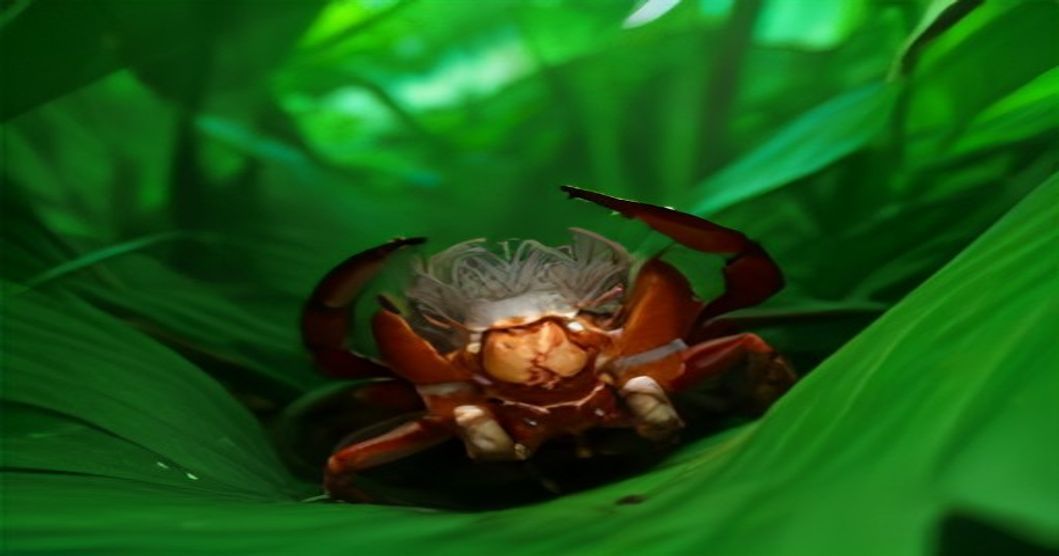
Introduction to the Coconut Crab
As a veterinarian and exotic animal enthusiast, I often encounter fascinating creatures, but few capture the imagination quite like the Coconut Crab (Birgus latro). Despite its common name and membership in the hermit crab family, this remarkable animal is actually a terrestrial decapod crustacean and stands as the largest land-living arthropod on Earth. Adult specimens can reach up to 40 centimeters in length and weigh an impressive 4 kilograms, boasting immense claws capable of exerting crushing force.
A Unique Lif Cycle: From Sea to Land
The developmental journey of the coconut crab is truly unique. In its youth, it closely resembles a traditional hermit crab, utilizing salvaged shells for protection and living an aquatic lifestyle. However, a remarkable metamorphosis occurs as the creature transitions out of its larval state. Once it leaves the water to embrace a terrestrial existence, its gills atrophy, and it can never return. In fact, adult coconut crabs are strictly land-dwellers and will tragically drown if immersed in water.
Behavior, Diet, and Island Legend
Endowed with an extraordinary sense of smell—often compared to that of insects—the coconut crab is an expert scavenger and forager. These sensory adaptations have made them legendary figures in the folklore of various Pacific and Indian Ocean islands. Often dubbed “robber crabs” due to their propensity for making off with shiny objects and food items, these gentle giants play a vital, albeit misunderstood, role in their native ecosystems.