
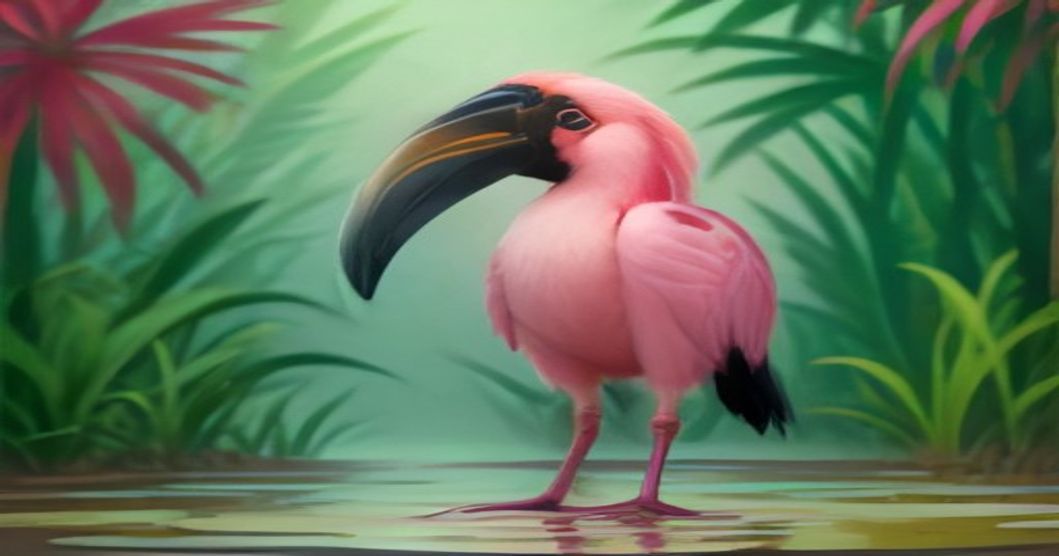
Harmonious Coexistence in Wetland Habitats
In the vibrant ecosystems where diverse avian species converge, Toucans (Rhamphastos sulfuratus) and Roseate Spoonbills (Ajaia ajaia) can often be observed peacefully sharing a pond. Despite the spoonbills’ comical yet haughty demeanor—acting as though they are the most important residents of the waterbody—these two distinct species create a fascinating dynamic in shared natural habitats.
The Remarkable Adaptation of the Roseate Spoonbill
Have you ever noticed the funny spoon-shaped bill of the Roseate Spoonbill? This specialized anatomical feature is perfectly engineered for straining mud and murky waters. As carnivorous waders, Roseate Spoonbills feed on a diverse diet of small aquatic animals, including crustaceans, insects and their larvae, mollusks, frogs, and small fish. Interestingly, the vibrant pink and red hues of their plumage are a direct dietary result of the carotenoids found in the crustaceans they consume.
Conservation History and Migration Threats
Throughout history, these magnificent birds have faced significant adversity. In the past, the delicate feathers of Roseate Spoonbills were highly valued by fashion designers to adorn ladies’ hats and dresses, a trend that unfortunately drove the species dangerously close to extinction. While current conservation efforts protect them well at their primary nesting sites, Roseate Spoonbills still face ongoing threats from illegal hunting during their vulnerable winter migrations across South America.
Unique Behaviors and Roosting Habits
As avian experts note, Roseate Spoonbills—much like other stork-like wading birds—exhibit unique flight patterns, soaring gracefully with their heads stretched forward in a long, elegant line. Throughout the day, these birds can frequently be observed dozing while standing on a single leg, comfortably tucking their distinctive bill against their chest or completely hidden beneath a wing. As night falls, they seek out safety by roosting in well-hidden spots deep within impenetrable swamps, ensuring protection from nocturnal predators.