
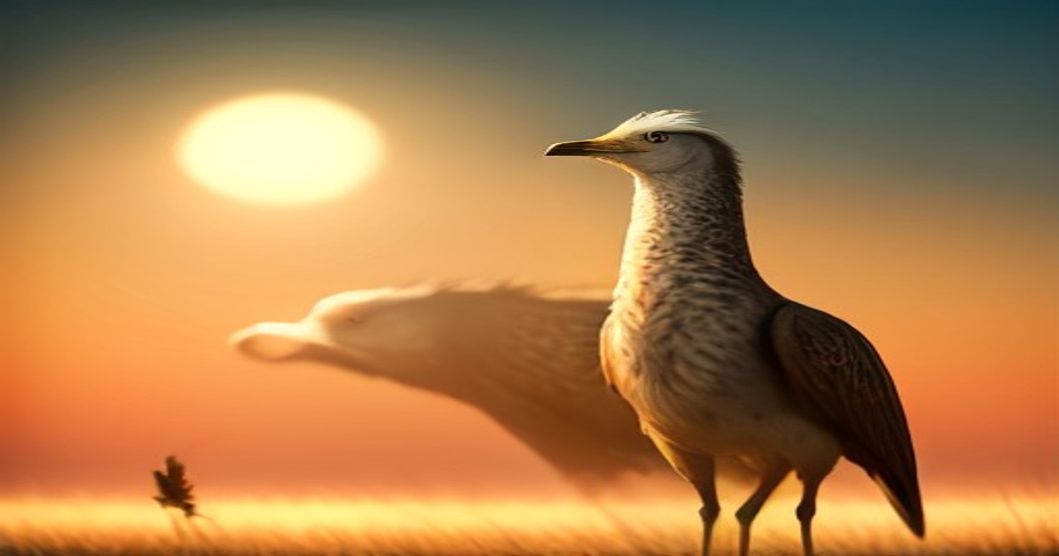
In the vast and diverse theater of the animal kingdom, few creatures possess the striking elegance and unique adaptations of the Secretary Bird (Sagittarius serpentarius). Native to the open grasslands and savannahs of sub-Saharan Africa, this magnificent raptor immediately captures the imagination with its distinct appearance, combining the body of an eagle with the long, graceful legs of a crane.
The Origin of a Sophisticated Name
Have you ever wondered how this extraordinary bird earned such an administrative moniker? Fun Fact: The Secretary Bird’s name is believed to have originated from the French word “secrétaire,” referring to the quill-like feathers in its crest, which strongly resembled the 18th-century quill pens tucked behind the wigs and ears of human office scribes and secretaries of the past. Beyond its fashionable plumage, this bird’s slate-gray body, black wing feathers, and stark facial skin give it the appearance of wearing knee-breeches and spectacles—a truly distinguished look in the wild.
Master Predator of the African Savannah
While its appearance might suggest a gentle creature of the court, the Secretary Bird is a formidable and opportunistic carnivore. Unlike most birds of prey that rely primarily on aerial ambushes, the Secretary Bird is largely terrestrial, pacing through tall grasses at an impressive pace. It is perhaps best renowned for its specialized hunting technique: dispatching venomous snakes, including cobras and vipers, with blindingly fast, powerful kicks. By using its heavily scaled legs as defensive armor and striking with immense kinetic force, it protects both itself and the surrounding ecosystem from venomous population surges.
Conservation and Ecological Significance
As animal health and conservation experts continue to monitor African ecosystems, the Secretary Bird remains a symbol of the delicate balance within grassland habitats. Currently classified as Vulnerable by the IUCN due to habitat loss and agricultural expansion, protecting these iconic birds is crucial. Their presence not only enriches the biodiversity of the savannah but also showcases the astonishing evolutionary marvels that nature continues to produce, reminding us of the intricate connections between wildlife, habitat preservation, and the global ecosystem.