
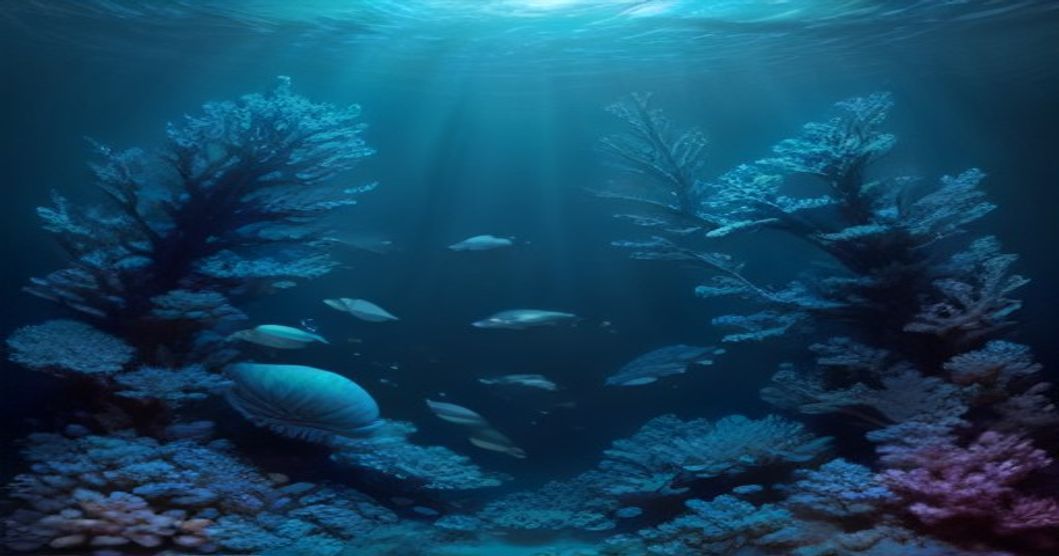
When we think of cephalopods, creatures like the highly intelligent octopus or the elusive squid usually come to mind. However, hidden in the deep tropical waters of the Indo-Pacific lies a truly extraordinary relative that has witnessed the history of our planet for over 500 million years: the Nautilus.
A Living Fossil with Ancient Roots
Long before dinosaurs roamed the Earth, the ancestors of the Nautilus were already navigating the ancient oceans. Having survived multiple mass extinction events, this remarkable marine mollusk has rightfully earned the title of a living fossil. Today, only six species of Nautilus remain, making them rare and precious jewels of marine biodiversity.
What Makes the Nautilus Unique?
While modern cephalopods such as squids and cuttlefish have internalized their shells—or lost them entirely like the octopus—the Nautilus retains a striking external spiral shell. This chambered shell is not only a masterpiece of natural engineering and sacred geometry, but it also serves as a sophisticated buoyancy control system. By adjusting the gas and water levels within its chambers, the Nautilus can effortlessly rise and sink through the water column.
Conservation and Marine Health
As pet care experts and veterinary professionals, our appreciation extends beyond domestic animals to the entire animal kingdom. The delicate ecosystem of the deep sea is increasingly threatened by human activity, and the over-harvesting of the Nautilus for its mesmerizing shell poses a severe risk to these ancient survivors. Protecting marine habitats ensures that this living link to Earth’s primordial past continues to thrive in the dark, mysterious depths of our oceans.