
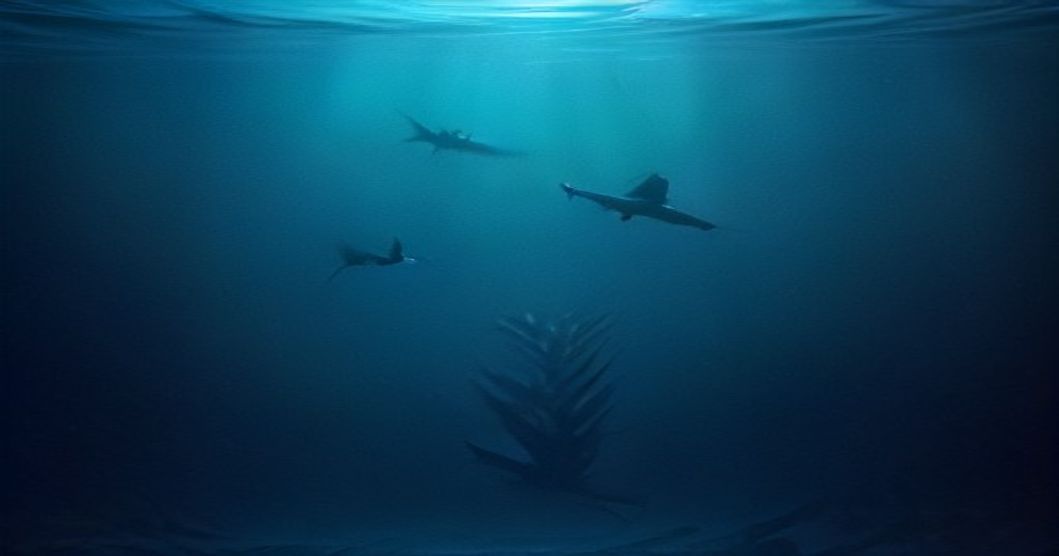
Introduction to the Deep-Sea Chimaera
In the pitch-black depths of our oceans, far beyond the reach of sunlight, lies a world of extraordinary and ancient creatures. Among the most fascinating inhabitants of this mysterious realm is Chimaera monstrosa, a remarkable fish that thrives at depths exceeding 2.5 kilometers. Often referred to as ghost sharks, these creatures offer us a rare glimpse into the prehistoric past of our oceans.
An Ancient Lineage
The evolutionary story of the chimaera stretches back an astonishing 400 million years. During this ancient era, the common ancestors of modern sharks and chimaeras diverged into two distinct paths. While some chose to roam the sunlit surface waters, others ventured into the dark, crushing depths of the deep sea, eventually evolving into the specialized chimaeras we study today.
Masters of the Dark: Sensory Adaptations
In the perpetual darkness of the deep ocean, traditional hunting methods like speed and sight become largely irrelevant. Instead, survival relies on specialized adaptations. While many deep-sea creatures use bioluminescence to lure unsuspecting prey, chimaeras take a different evolutionary approach. They rely on their highly sensitive lateral line system—a specialized mechanosensory organ—to detect movement and vibrations, allowing them to precisely locate victims in the absolute dark.
Defense Mechanisms
Living in the deep sea comes with constant threats, but chimaeras are well-equipped to protect themselves. For defense against predators, these fascinating fish possess venomous spines located on their dorsal fins. This potent natural deterrent helps keep potential attackers at bay in an environment where escape routes are limited.