
Introduction to the Swedish Nightingale
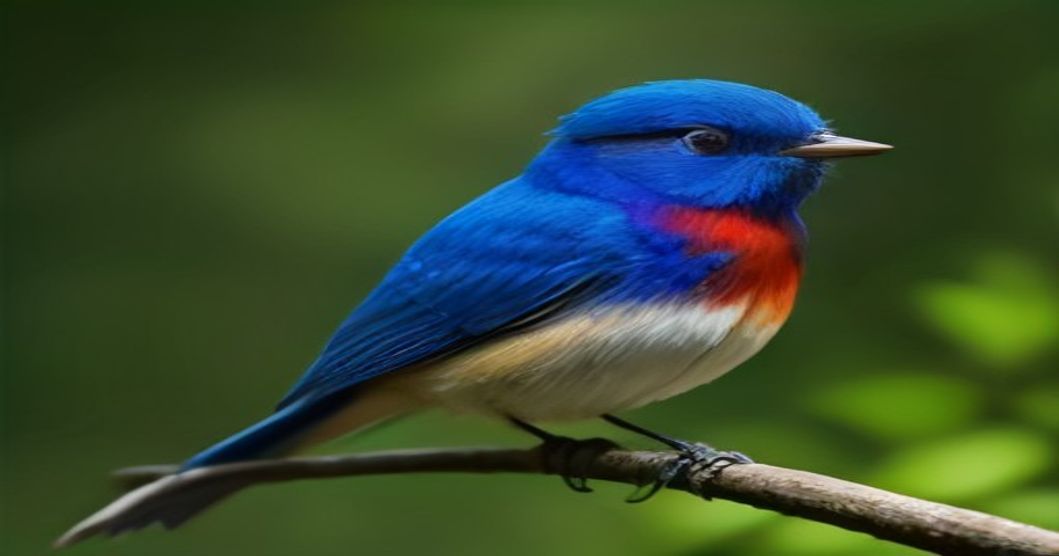
The bluethroat (Luscinia svecica) is a truly remarkable avian species belonging to the Old World flycatcher family. Often celebrated as a close relative of the legendary nightingale, this captivating songbird enchants ornithologists and nature enthusiasts alike with its striking appearance and melodic repertoire. Historically recognized by the renowned 18th-century systematist Carl Linnaeus, who aptly dubbed it the “Swedish nightingale,” this bird bridges the gap between delicate beauty and resilient wildlife.
Physical Characteristics and Morphology
In terms of physical stature, the bluethroat is no larger than a common sparrow, yet it possesses a notably more slender and elegant silhouette. A typical adult reaches a body length of approximately 15 centimeters, maintaining a lightweight, agile physique of just 15 to 20 grams. This inherent gracefulness is further accentuated by its elongated legs, which allow for nimble movement through its natural habitat. While females exhibit a more modest, protective camouflage, the males showcase a brilliantly vibrant coloration that instantly delights any observer.
The Distinctive Plumage of the Male Bluethroat
Undoubtedly, the most breathtaking feature of the male bluethroat is its luminous blue bib. This striking plumage is intricately edged with contrasting brown and reddish stripes, creating a magnificent visual display. At the very center of this vibrant blue throat patch lies a distinct reddish spot—a characteristic that transforms into a brilliant white in the western subspecies of these fascinating birds.
Behavior, Etymology, and Habitat
The common Russian name for the bird originates from the old word “varakat’,” which translates to “to talk nonsense, mimic, or tease,” a nod to the species’ rich and varied vocalizations that often mimic other forest sounds. Spotting one of these refined, brightly colored songbirds in dense woodlands can be a rare and rewarding challenge. As an expert in animal health and avian appreciation, observing how these delicate creatures thrive in the wild highlights the importance of preserving diverse forest ecosystems for future generations.