
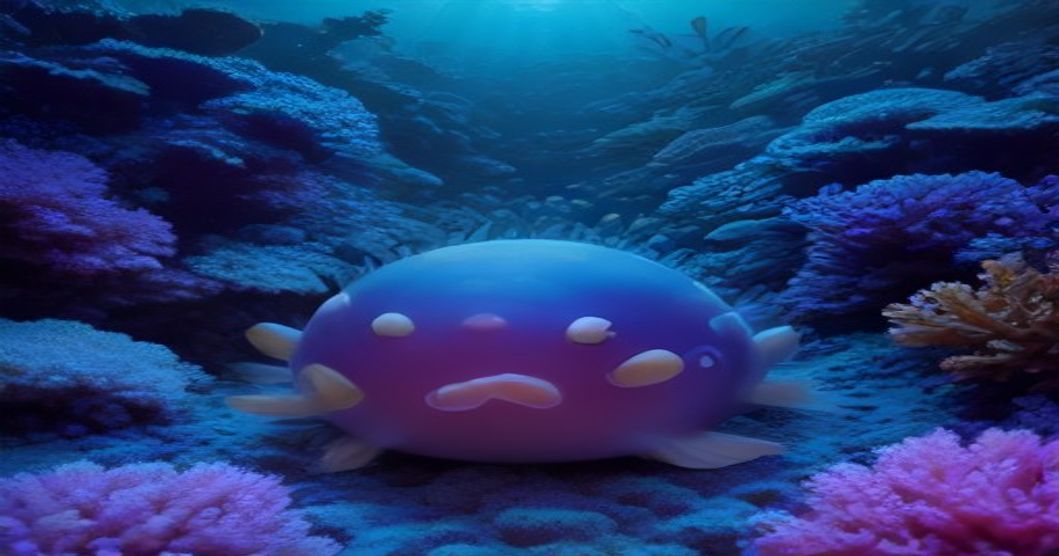
Discovering the Vibrant World of Marine Invertebrates
Coral reefs are home to some of the most astonishing symbiotic relationships in the natural world. Among these, the partnership between the Tambja morosa, a brilliantly colored sea slug, and the tiny Imperial Shrimp (Zenopontonia rex) stands out as a remarkable example of marine cooperation and mutualism.
The Brilliant Tambja Morosa
The Tambja morosa is a species of nudibranch known for its striking, vibrant coloration. As specialized grazers, these marine gastropods glide across the reef to feed on moss-like bryozoan colonies. Their vivid appearance serves as a warning to potential predators, a common defense mechanism in the underwater realm.
The Imperial Shrimp: A Hitchhiker’s Guide to the Reef
Often accompanying the Tambja morosa is the exquisite Imperial Shrimp. Utilizing the sea slug as both a mobile home and a reliable mode of transportation, this tiny crustaceutan hitches a ride across the coral landscape. In return, the shrimp gets to explore vast areas of the reef, easily discovering fresh foraging grounds without expending its own energy.
Why Marine Biodiversity Matters
Understanding these intricate relationships highlights the delicate balance of aquatic ecosystems. Each species, from the largest reef fish to the smallest nudibranch and its hitchhiking shrimp, plays a vital role in maintaining the health and vibrancy of our ocean’s coral gardens.