
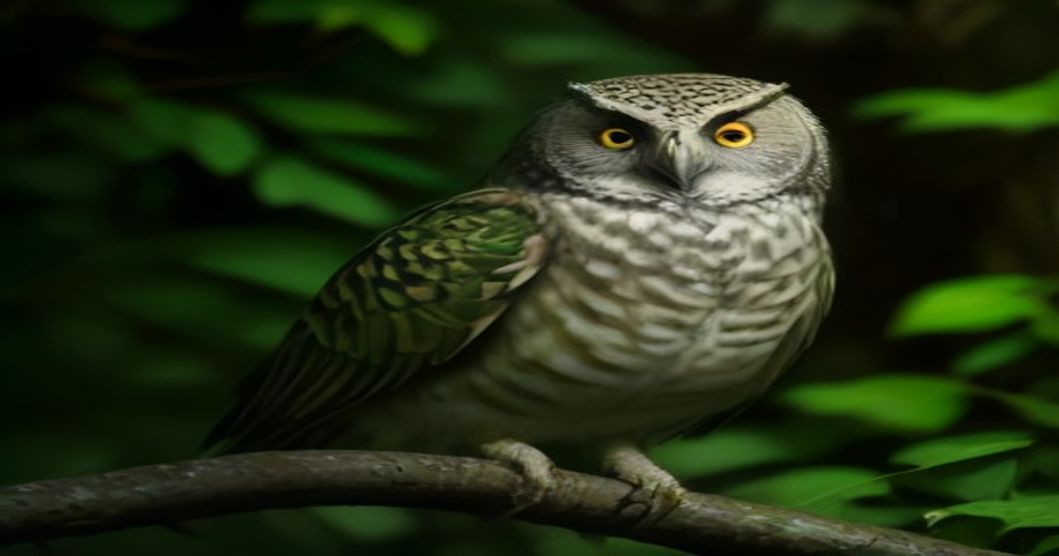
Introduction to the Unique Kakapo
As veterinary professionals and animal health experts, we are endlessly fascinated by the incredible diversity of the animal kingdom. Among the most extraordinary avian species is the Kakapo (Strigops habroptila), also known as the owl parrot. Endemic to New Zealand, this critically endangered species holds the title of being the world’s only flightless parrot and the heaviest parrot species on Earth.
Physical Characteristics and Sensory Adaptations
Measuring around 60 cm in body length and weighing an impressive 2 to 4 kg in adulthood, the kakapo possesses several distinct anatomical features. Most notably, its facial feathers form a pronounced facial disc resembling that of an owl, which likely aids in sound localization within its nocturnal environment. Unlike many other birds, the kakapo emits a surprisingly pleasant, sweet aroma reminiscent of flowers, honey, or beeswax. Their vocalizations are equally unique, ranging from hoarse caws to shrill, penetrating sounds.
Locomotion and Behavioral Ecology
Though they have lost the ability of true flight, kakapos are exceptionally agile climbers capable of scaling the tallest forest trees. To descend, they utilize a specialized ‘parachute’ technique—jumping with their wings fully extended to glide distances of 20 to 50 meters at a 45-degree descent angle. Living a strictly nocturnal lifestyle, these fascinating parrots navigate their forest habitats under the cover of darkness.
Diet and Nutritional Needs
In the wild, the kakapo follows a predominantly herbivorous diet. Their natural foraging includes consuming local flora such as ferns, seeds, berries, pollen, and nectar. Understanding their specialized nutritional requirements is crucial for conservation veterinarians working tirelessly to protect and revive this vulnerable, irreplaceable species.